Market Impact Report

Fix the baton pass: Transitions will make or break enterprise models

This Market Impact Report is for enterprise operations leaders, GCC heads, sourcing executives, and transition management teams assessing how to redesign transitions as a strategic capability in the Services-as-Software™ era.

Executive summary

Transitions, which involve the structured movement of work, processes, and capabilities from enterprises to internal global capability center (GCC) or shared services teams and outsourcing providers, remain one of the most misunderstood and underused levers of enterprise value within global services transformation initiatives. While most transitions deliver cost and continuity, they fall short on paving the path for agility, transformation, and defining business outcomes.

Transitions have outgrown their role as administrative handovers and should now represent the foundational operating model for the Services-as-Software™ (SaS) era. As enterprises shift to artificial-intelligence-infused service delivery, transitions test resilience, capture knowledge, and build or compromise future-readiness.

HFS Research and Infosys BPM surveyed 153 business and functional leaders and 152 transition management team leaders from GCCs and service providers. The research reveals a consistent headline: Transitions are not meeting strategic expectations for either enterprises or their transition partners, underscoring the need for stronger co-ownership, design discipline, and trust across all involved parties.

Six structural failures undermine transition success:
    • Accountability remains vague
      Transitions start under pressure, shaped by ambitious transformation promises, aggressive timelines, and high expectations that are rarely re-baselined. More than half (58%) of enterprises and 50% of transition management teams admit that ownership remains unclear across workstreams. Governance vacuums persist, and co-design is rarely prioritized.
    • Trust gaps persist across both sides
      Only 13% of enterprises consider provider playbooks relevant. In parallel, transition management teams report insufficient documentation (58%) and limited access to subject matter experts (SMEs) (40%) as key blockers. These mirrored frustrations reveal mutual distrust and misalignment.
    • Metrics fail to reflect business outcomes
      While 86% of enterprises support experience-level agreements (XLAs), just 28% currently track them. Measurement frameworks remain anchored in legacy service-level agreements (SLAs), lacking critical indicators such as adoption, engagement, and resilience.
    • Change management begins too late
      About half (52%) of enterprises acknowledge that change management starts after execution begins, and 48% of transition team leaders cite client change maturity as a limiting factor.
    • Transitions succeed at stabilization, but stall when it comes to transformation
      Only 41% of enterprises and 39% of transition management teams say transitions meet value expectations. While transition management teams typically deliver on cost savings, transition timeliness, and service continuity mandates, higher-order benefits such as agility, process innovation, and change adoption often remain unrealized within most enterprise environments.
    • Technology remains underleveraged
      Most transitions fail to harness AI-powered analytics, automation, and intelligent tooling that could accelerate knowledge transfer, detect hidden risks early, and provide visibility into operational performance. Nearly 59% of transition management teams face information security or privacy restrictions, and 47% cite integration complexity as a barrier that limits the use of advanced solutions.

This report lays out a transition playbook structured around four foundational pillars, designed to guide both enterprise leaders and transition management teams in building co-owned, future-ready operating models.
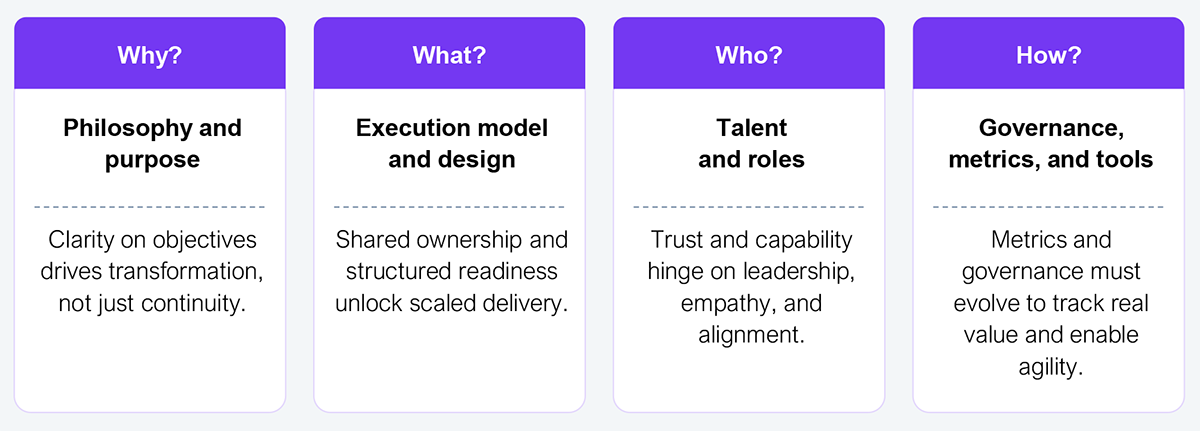
Four-column card diagram presenting the foundational pillars of the transition playbook of the future. Each column has a question header in purple, a bolded dimension label, a dashed divider, and a summary principle. Why? / Philosophy and purpose: clarity on objectives drives transformation, not just continuity. What? / Execution model and design: shared ownership and structured readiness unlock scaled delivery. Who? / Talent and roles: trust and capability hinge on leadership, empathy, and alignment. How? / Governance, metrics, and tools: metrics and governance must evolve to track real value and enable agility. Source: HFS Research, 2025.

These dimensions form the foundation of what must become “capital T” Transitions—cross-functional, co-owned, and designed for continuous capability building. Most current efforts remain stuck in “small t” transitions—tactical projects focused on stabilization. Elevating transitions means rethinking their purpose, not just improving their execution.

Transitions are launchpads for future enterprise operating models

Transitions are the structured movement of work, processes, and capabilities from enterprises to internal GCC teams, shared services teams, or outsourcing providers. Transitions are enterprise resets that redefine how teams collaborate, operate, and scale future-ready models. They surface structural gaps and shape the long-term health of the operating model.

  • Transitions are when an enterprise resets the foundation. Process documentation, knowledge capture, and governance definition during transitions create the baseline for years of enterprise performance. If the foundation remains flawed, value leakage continues long after transition management teams depart.
  • Transitions reveal what must change for the model to be future-ready. They surface the cracks and are as much a stress test of enterprise change readiness as the change in ownership of services.
  • Transitions establish new relationships. Whether internal or external, service delivery organizations can establish themselves as partners or reduce themselves to task executors. Enterprises can approach the transition management teams and the broader program with openness and trust, or with suspicion and control. These early patterns often persist for years.
  • Transitions will make or break value creation in the Services-as-Software era. Value in the SaS era will no longer come from labor arbitrage, but from intelligent, pre-built, and continuously evolving digital capabilities infused with AI. This shift forces a rethinking of talent models, data infrastructure, process design, and governance. Transitions become the proving ground where agility, trust, and adoption are stress-tested before the new model can scale.

If I had a magic wand, transition wouldn’t happen. It would just be a light switch. But in the real world, it takes months for people to really understand the job, and rightly so.

— Functional head with a North American retailer

Enterprise leaders across businesses and functions, as well as transition management teams with GCCs and outsourcing providers, unanimously acknowledge the critical role of transitions and the need for both to jointly own the mandate for creating sustained value.
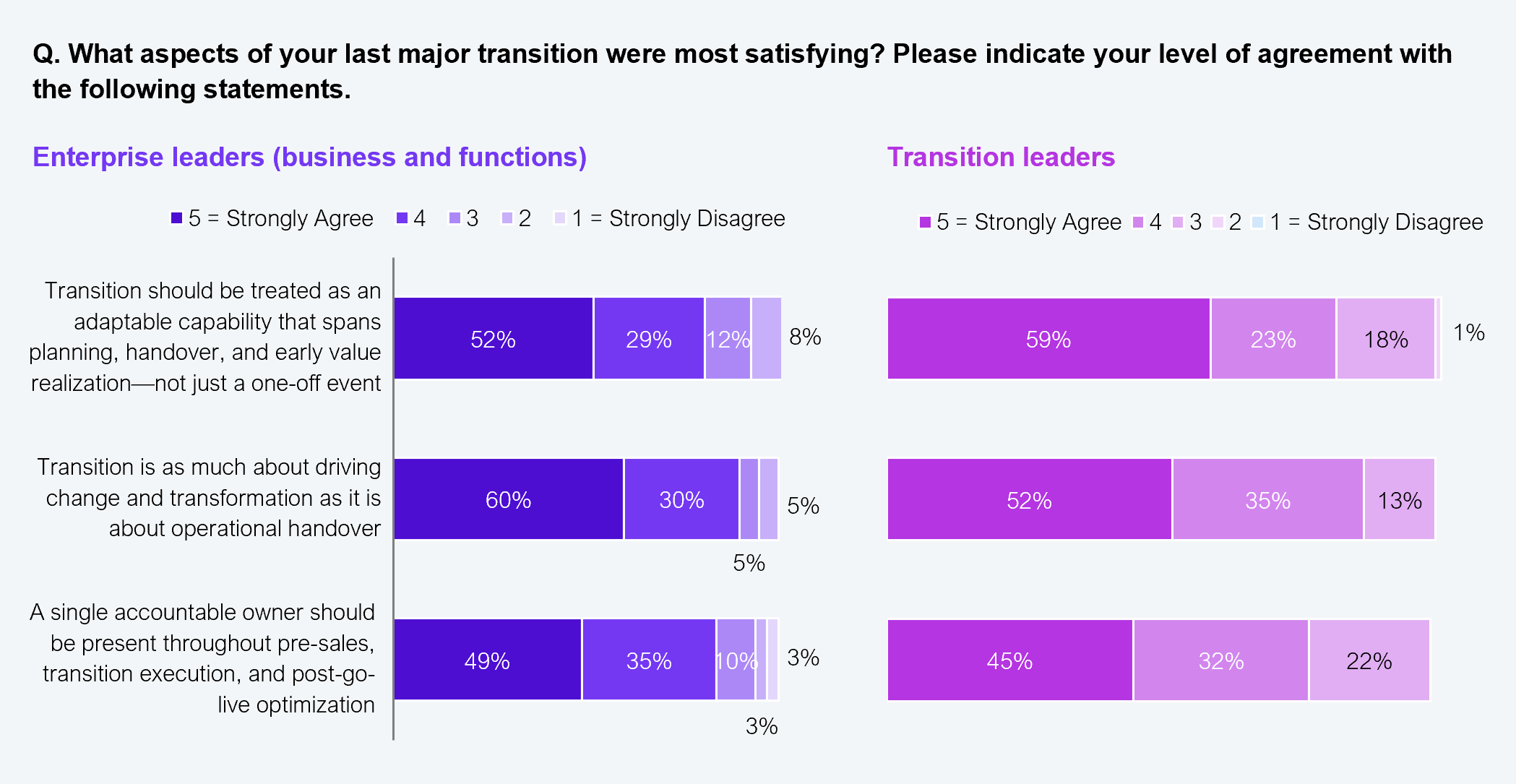
Exhibit 1: Enterprises want transitions to be viewed as a strategic capability, and not just a setup phase

Side-by-side horizontal stacked bar charts showing agreement levels among two survey groups on three statements about transition philosophy. Scale runs from 1 (Strongly Disagree) to 5 (Strongly Agree). Left chart covers 153 enterprise business and functional leaders; right chart covers 152 transition leaders with GCCs and service providers. For enterprise leaders: "Transition should be treated as an adaptable capability that spans planning, handover, and early value realization — not just a one-off event" receives 52% at level 5, 29% at level 4, 12% at level 3, 8% at levels 2 and 1; "Transition is as much about driving change and transformation as it is about operational handover" receives 60% at level 5, 30% at level 4, 5% at level 3, 5% combined at levels 2 and 1; "A single accountable owner should be present throughout pre-sales, transition execution, and post-go-live optimization" receives 49% at level 5, 35% at level 4, 10% at level 3, 3% at level 2, 3% at level 1. For transition leaders: the same three statements receive, respectively, 59% at level 5, 23% at level 4, 18% at levels 2 and 1 combined; 52% at level 5, 35% at level 4, 13% combined; and 45% at level 5, 32% at level 4, 22% at levels 3 through 1. Sample: 153 enterprise business and functional leaders, and 152 transition leaders with GCCs and service providers. Source: HFS Research, 2025.

Sample: 153 enterprise business and functional leaders, and 152 transition leaders with GCCs and service providers
Source: HFS Research, 2025

Transitions are equivalent to the exchange zone in a relay race. Speed matters, but the quality of execution of the baton pass decides success or failure. In the SaS era, transitions involve changing the nature of the race itself, navigating adaptive, multi-lane courses that incorporate digital capabilities, AI copilots, and new governance designs.

Design and trust are the missing foundations of today’s transitions

Transitions too often stall at stabilization, with focus limited to keeping the lights on. True transition success must also be measured by the pace of learning, the depth of adoption, stakeholder satisfaction, and the capacity to identify opportunities for improvement (Exhibit 2).

Effective transitions don’t end at handover. They blend into continuous education, with transition management teams staying close to business stakeholders to surface risks, nurture ideas, and reinforce new ways of working. This dynamic “transition-as-learning” model sustains value beyond go-live.
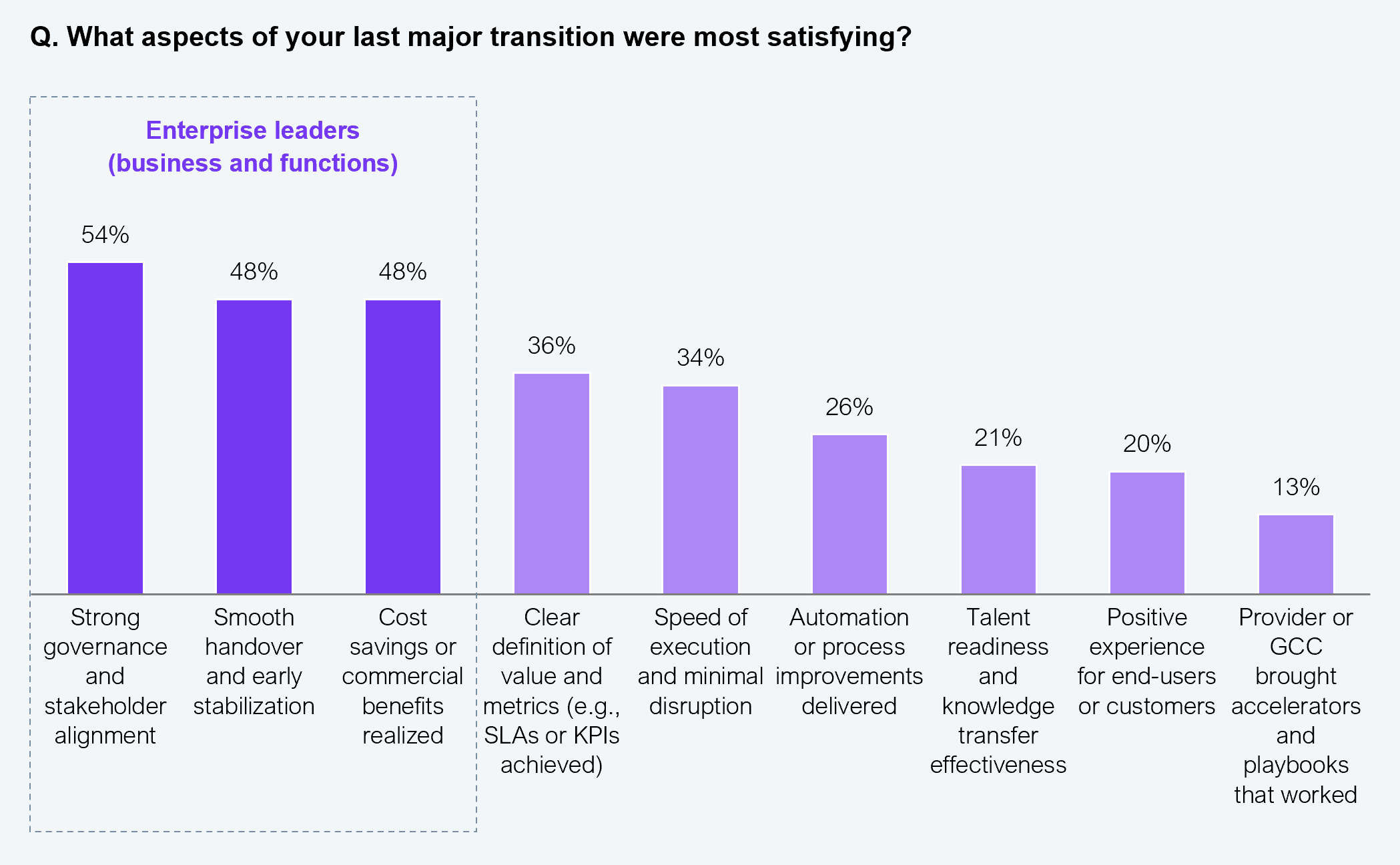
Exhibit 2: Enterprise satisfaction with transitions remains limited to cost, timeliness, and continuity

Horizontal bar chart showing the percentage of enterprise leaders (business and functions) who reported satisfaction across nine aspects of their last major transition. Results from 153 enterprise business and functional leaders. Strong governance and stakeholder alignment: 54%. Smooth handover and early stabilization: 48%. Cost savings or commercial benefits realized: 48%. Clear definition of value and metrics (e.g., SLAs or KPIs achieved): 36%. Speed of execution and minimal disruption: 34%. Automation or process improvements delivered: 26%. Talent readiness and knowledge transfer effectiveness: 21%. Positive experience for end-users or customers: 20%. Provider or GCC brought accelerators and playbooks that worked: 13%. Source: HFS Research, 2025.

Sample: 153 enterprise business and functional leaders
Source: HFS Research, 2025

Enterprise frustration stems from transitions not moving beyond the continuity baseline. Expectations around agility, process improvement, and user experience remain unmet.

Transition management teams defend continuity as proof of execution discipline, but enterprises often lack a clear definition of success beyond SLAs. Even when goals are defined, transition management teams cite limited access, weak sponsorship, and lack of buy-in as barriers to delivering strategic value.

There is mutual recognition that more is possible, but alignment is lacking. Both sides point to gaps in governance, tooling, and data, but differ sharply on the reasons (Exhibit 3).
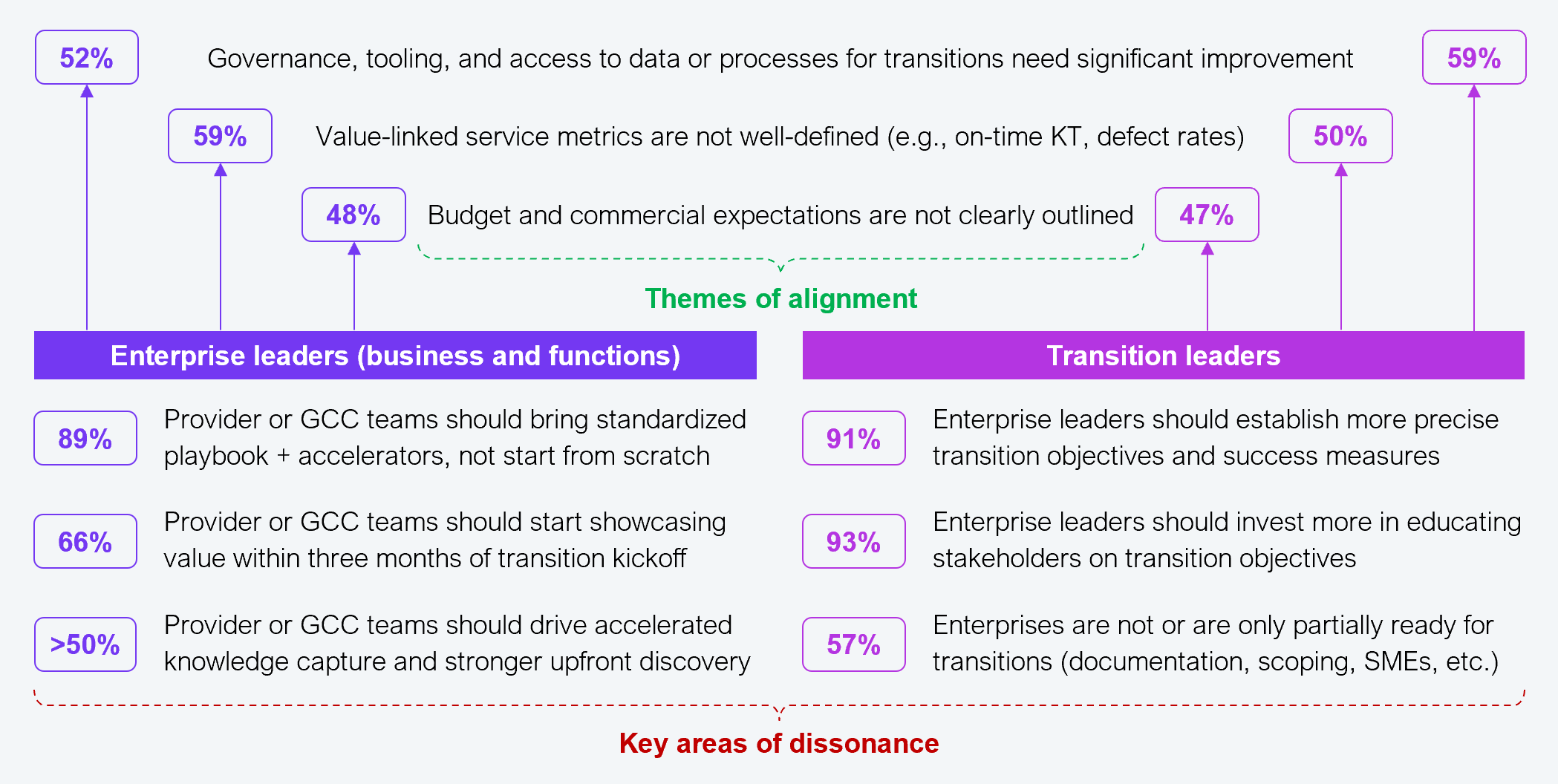
Exhibit 3: Enterprises and transition management teams agree things are broken, but not on why

A two-sided comparison diagram showing themes of alignment between enterprise leaders and transition leaders on three shared pain points, flanked by areas of dissonance unique to each group. Themes of alignment (with enterprise leader percentages on the left and transition leader percentages on the right): governance, tooling, and access to data or processes for transitions need significant improvement (52% enterprises, 59% transition leaders); value-linked service metrics are not well-defined, e.g., on-time knowledge transfer and defect rates (59% enterprises, 50% transition leaders); budget and commercial expectations are not clearly outlined (48% enterprises, 47% transition leaders). Key areas of dissonance for enterprise leaders: provider or GCC teams should bring standardized playbook plus accelerators, not start from scratch (89%); provider or GCC teams should start showcasing value within three months of transition kickoff (66%); provider or GCC teams should drive accelerated knowledge capture and stronger upfront discovery (more than 50%). Key areas of dissonance for transition leaders: enterprise leaders should establish more precise transition objectives and success measures (91%); enterprise leaders should invest more in educating stakeholders on transition objectives (93%); enterprises are not or are only partially ready for transitions, including documentation, scoping, and SMEs (57%). Sample: 153 enterprise business and functional leaders, and 152 transition leaders with service providers and GCCs. Source: HFS Research, 2025.

Sample: 153 enterprise business and functional leaders, and 152 transition leaders with service providers and GCCs
Source: HFS Research, 2025

Enterprises want better preparation: 89% expect proven playbooks and accelerators, over half want stronger discovery and knowledge capture, and nearly two-thirds expect visible value within three months.

Transition management teams counter that transitions fail due to vague objectives (91%), limited stakeholder education (93%), and poor enterprise readiness, including weak documentation, unclear scope, and inadequate access to SMEs (57%).

Until execution models are co-designed and trust is embedded in the exchange zone, transitions will continue to fall short of delivering value beyond basic stabilization benefits.

Transitions stall when teams show up with generic playbooks that don’t fit the context. They become check-box artifacts rather than living guides.

— CFO of a North American manufacturer

When things are not packaged well, it is more like garbage in, garbage out. In transitions, unclear scope and weak documentation compromise the foundation.

— GCC head with a global healthcare organization

Trust deficits are the real killer. If one side doesn’t believe the other is ready, every issue is magnified.

— GCC head with a global life sciences organization

The exchange zone defines the outcome, and most transitions aren’t designed for it

Relay races are won or lost in the exchange zone. Speed matters, but it’s the precision of the baton pass, built on trust, clarity, and coordination, that decides success. The same holds for enterprise transitions. Failures are rarely due to lack of effort. They happen because the exchange zone is poorly designed and teams arrive unprepared.

Ownership doesn’t fail because people don’t try—it fails because nobody designs for joint accountability.

— GCC head with a global healthcare organization

Transitions still default to “small t” tasks focused on transferring work and stabilizing SLAs. But the SaS era demands “capital T” Transitions—co-owned, cross-functional, outcome-driven, and designed for repeatability.

Transitions must be treated as a capability, not a milestone. They should be built as an organizational muscle that GCCs and providers can flex during moments of change. Some leading enterprises now embed transition leaders into client teams on a short-term basis, not just to execute, but to inject cross-industry insight, challenge assumptions, and build step-value.

Back to basics: Four questions to answer for both enterprises and transition management teams to shape better transitions

Transitions are high-stakes, high-ambiguity undertakings. Even in steady-state environments, they act as the gearbox for shifting pace when market or technological forces, such as generative AI (GenAI), demand it. However, today, the exchange zone is often treated as a mere functional handoff rather than a leadership moment. That needs to change.

Transition management teams must approach their role as integrating into the enterprise rather than merely transitioning work out of it. That shift turns them into diagnosticians, coaches, collaborators, and integrators, extending their role beyond “delivery managers.” Enterprise teams must meet that shift by unlocking partner capabilities and resisting rigid, pre-set approaches that treat transitions as chores.

Clarity and accountability begin when both enterprises and transition management teams can answer four foundational questions:

Why? (philosophy and purpose)

  • What business outcomes and early wins must the transition deliver?
  • How can transitions launch transformation and build long-term adaptability?
  • How can transitions educate leaders and stakeholders for the new model?

What? (execution model and design)

  • How should accountability and handoffs be structured for speed and discipline?
  • What mechanisms (playbooks, governance, scoping) will prevent breakdowns?

Who? (talent and roles)

  • How will enterprise and transition management team leaders coordinate effectively?
  • What skills are needed to build trust, confidence, and adoption?

How? (governance, metrics, and tools)

  • How must governance evolve beyond SLAs to track real value?
  • How can technology improve visibility, cadence, and responsiveness?

The framework in Exhibit 4 outlines how transitions must evolve across these dimensions to shift from discrete handovers to a continuous capability.
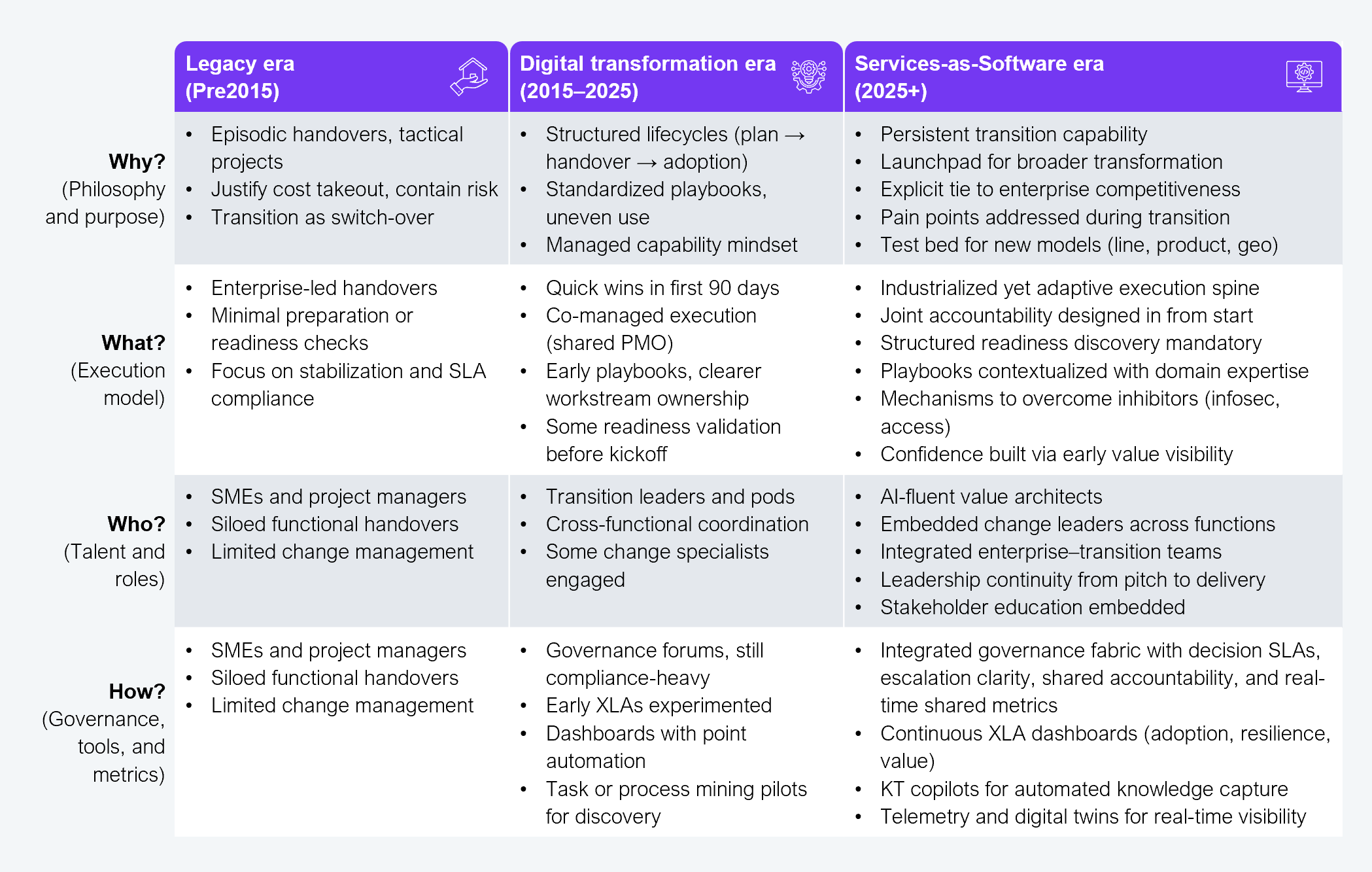
Exhibit 4: Transitions must evolve from handovers to continuous capabilities in the SaS world

Four-row, three-column evolution table mapping how transitions must change across four dimensions (Why/Philosophy and purpose, What/Execution model, Who/Talent and roles, How/Governance, tools, and metrics) across three eras: Legacy era (pre-2015), Digital transformation era (2015 to 2025), and Services-as-Software era (2025 and beyond). In the Legacy era, transitions were episodic handovers justified by cost takeout, enterprise-led with minimal preparation, staffed by SMEs and project managers in siloed handovers with limited change management, and governed through the same siloed functional structures. In the Digital transformation era, transitions adopted structured lifecycles, co-managed execution with shared PMOs, transition leaders and pods with cross-functional coordination, and governance forums with early XLA experimentation and dashboard automation. In the Services-as-Software era: Why transitions must serve as a persistent capability and launchpad for transformation explicitly tied to enterprise competitiveness; What requires industrialized yet adaptive execution with joint accountability designed in from the start, structured readiness discovery, and contextualized playbooks; Who requires AI-fluent value architects, embedded change leaders, integrated enterprise-transition teams, and leadership continuity from pitch to delivery; How requires integrated governance with decision SLAs, escalation clarity, shared accountability, continuous XLA dashboards tracking adoption, resilience, and value, KT copilots for automated knowledge capture, and telemetry and digital twins for real-time visibility. Source: HFS Research, 2025.

Source: HFS Research, 2025

A transition is not the cleanup before the real game starts—it is the game. Miss that, and you spend years fixing the cracks you ignored.

— GCC head with a global life sciences organization

The transition playbook of the future must redefine purpose, execution models, roles, and measures
    • Define the WHY: Transitions only work when the purpose is clear from day one

Enterprises still emphasize cost, timeliness, and continuity as transition outcomes. However, when pressed, they increasingly point to higher-order ambitions, such as early transformation opportunities, including automation, standardization, or redesign; the infusion of domain expertise; and better stakeholder alignment (Exhibit 5).
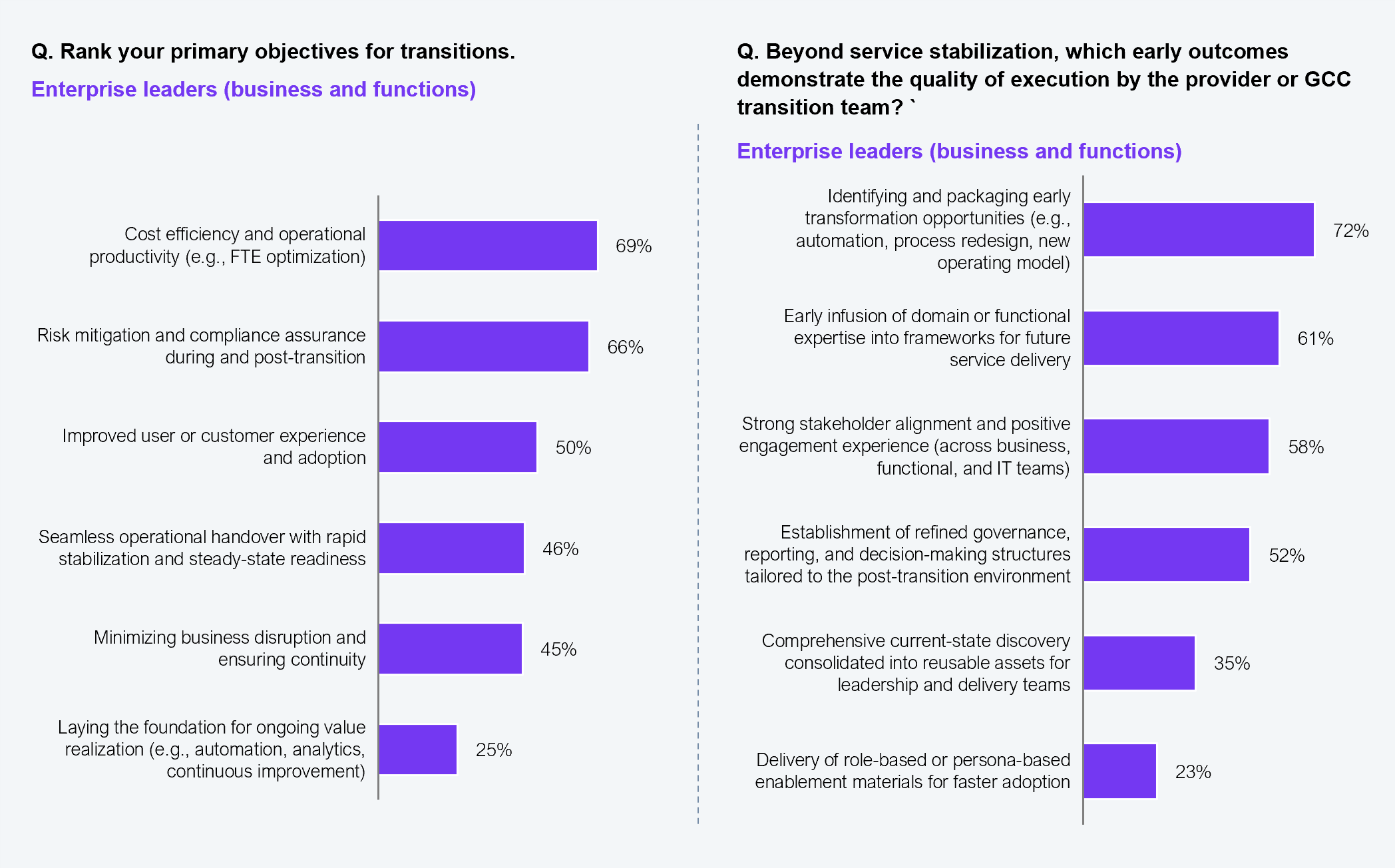
Exhibit 5: Enterprises acknowledge the need to focus on higher-order transition outcomes

Two side-by-side horizontal bar charts from 153 enterprise business and functional leaders. Left chart asks respondents to rank primary objectives for transitions: cost efficiency and operational productivity (e.g., FTE optimization) 69%; risk mitigation and compliance assurance during and post-transition 66%; improved user or customer experience and adoption 50%; seamless operational handover with rapid stabilization and steady-state readiness 46%; minimizing business disruption and ensuring continuity 45%; laying the foundation for ongoing value realization (e.g., automation, analytics, continuous improvement) 25%. Right chart asks which early outcomes demonstrate the quality of execution by the provider or GCC transition team: identifying and packaging early transformation opportunities (e.g., automation, process redesign, new operating model) 72%; early infusion of domain or functional expertise into frameworks for future service delivery 61%; strong stakeholder alignment and positive engagement experience across business, functional, and IT teams 58%; establishment of refined governance, reporting, and decision-making structures tailored to the post-transition environment 52%; comprehensive current-state discovery consolidated into reusable assets for leadership and delivery teams 35%; delivery of role-based or persona-based enablement materials for faster adoption 23%. Source: HFS Research, 2025.

Sample: 153 enterprise business and functional leaders
Source: HFS Research, 2025

Transitions are when the real picture surfaces: optimization pockets, transformation opportunities, and potential model changes that you never see until you start moving work.

— CFO of a North American manufacturer

Transition management teams are ready to support these goals, but they expect them to be clearly defined. The most significant barrier isn’t a lack of ambition; it’s a lack of clarity on what success looks like. More than half of enterprises (52%) admit they fail to establish precise success measures for their transitions.

This ambiguity delays buy-in, weakens sponsorship, and limits the ability of transition management teams to operate proactively. Without shared markers, even capable teams revert to safe delivery over value creation.

By contrast, clear objectives enable transition management teams to co-develop measurable outcomes, identify early transformation opportunities, and challenge legacy approaches that are no longer effective. Transition management teams’ prior experience and playbooks are critical confidence builders when paired with structured discovery and transparent progress reporting (Exhibit 6).
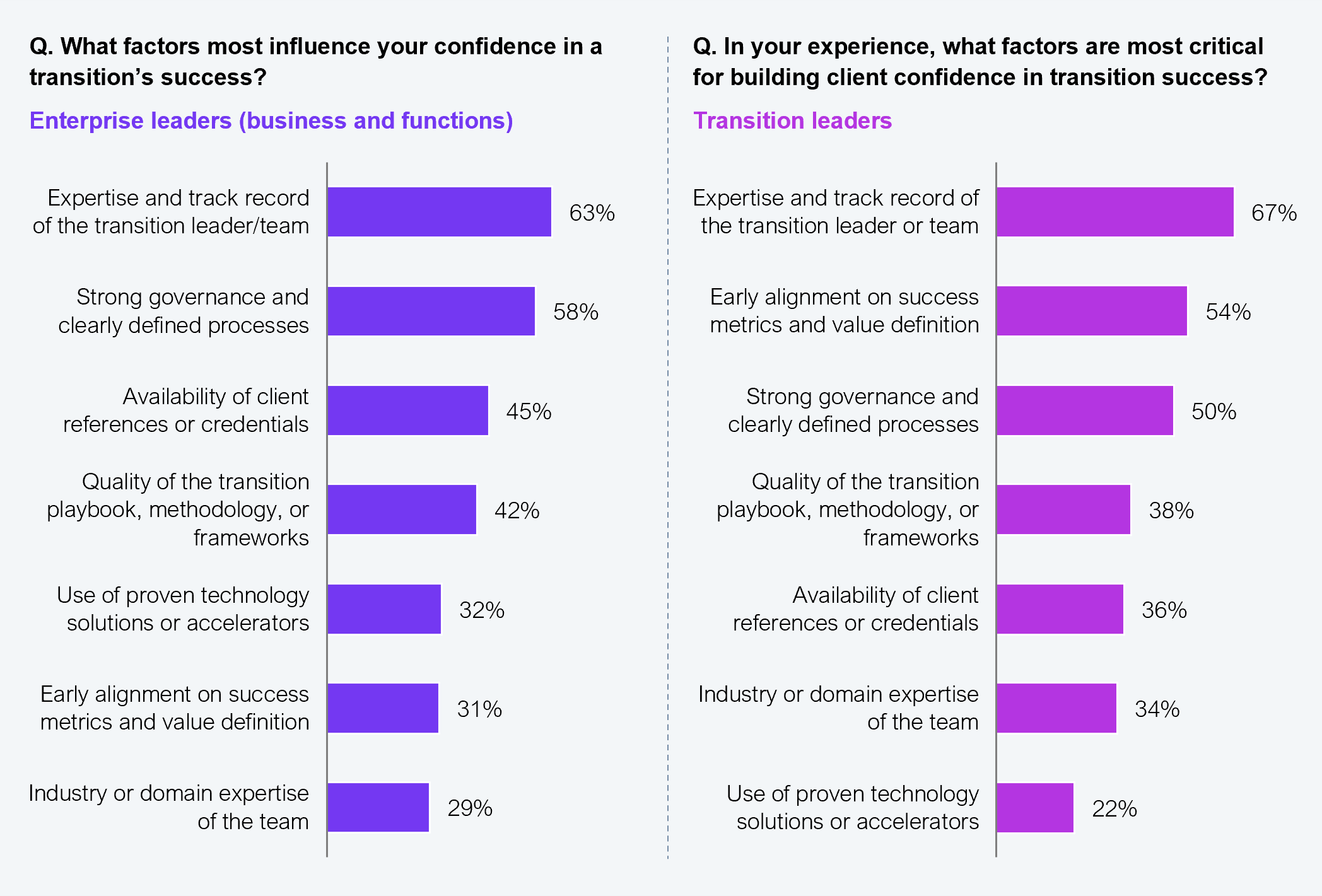
Exhibit 6: Transition management teams’ expertise should shape the journey, not just execute it

Two side-by-side horizontal bar charts. Left chart: 153 enterprise business and functional leaders ranking factors that most influence confidence in a transition's success: expertise and track record of the transition leader or team 63%; strong governance and clearly defined processes 58%; availability of client references or credentials 45%; quality of the transition playbook, methodology, or frameworks 42%; use of proven technology solutions or accelerators 32%; early alignment on success metrics and value definition 31%; industry or domain expertise of the team 29%. Right chart: 152 transition leaders with service providers and GCCs ranking the most critical factors for building client confidence in transition success: expertise and track record of the transition leader or team 67%; early alignment on success metrics and value definition 54%; strong governance and clearly defined processes 50%; quality of the transition playbook, methodology, or frameworks 38%; availability of client references or credentials 36%; industry or domain expertise of the team 34%; use of proven technology solutions or accelerators 22%. Source: HFS Research, 2025.

Sample: 153 enterprise business and functional leaders, 152 transition leaders with service providers and GCCs
Source: HFS Research, 2025

The best transitions do more than deliver the current program. They leave behind reusable knowledge, embedded practices, and stakeholder confidence, creating a stronger foundation for future change.

What should enterprises consider while defining the purpose of transitions?

  • Define the “why” clearly by setting precise objectives and success markers from the outset.
  • Link transition goals explicitly to business transformation, focusing on agility, adoption, and competitiveness.
  • Educate and align cross-functional leadership (finance, HR, risk, business) around the transition’s purpose.

How can transition management teams assist enterprises in developing robust transition objectives?

  • Co-develop the objectives and measures instead of reviewing and accepting them.
  • Frame purpose in enterprise terms, not delivery scope.
  • Challenge narrow ambitions by leveraging external context and transformational experience.
  • Maintain transparency through phased reporting and risk surfacing, so issues are addressed early and not after go-live.
    • Design the WHAT: Enterprises and transition management teams must co-build the execution models, not improvise

Teams win relay races in the exchange zone, but they plan the handoff well in advance of the race. Transitions are no different. Success depends on strategic setup, not just seamless delivery (Exhibit 7).
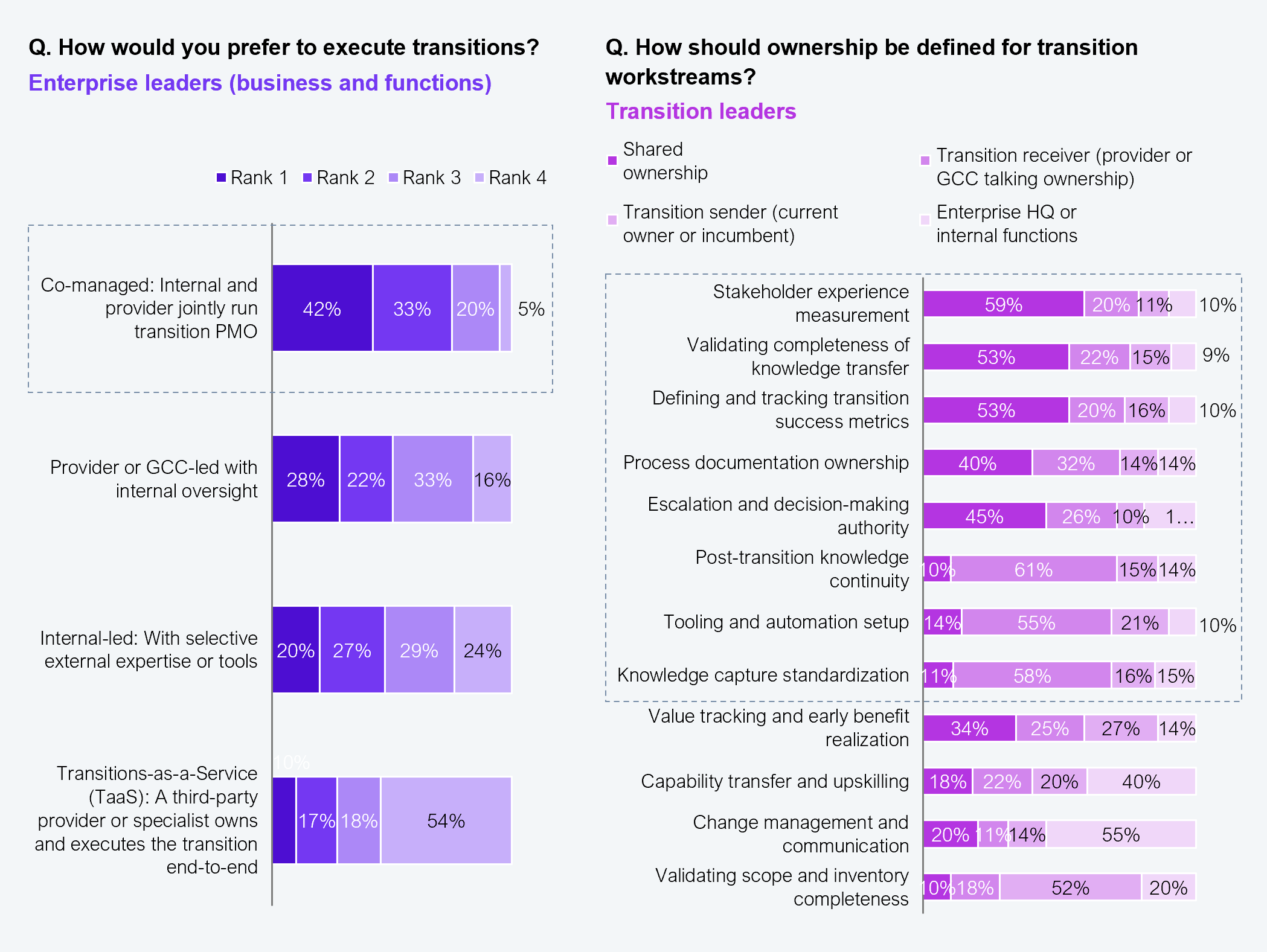
Exhibit 7: Enterprises and transition management teams emphasize a collaborative ownership model

Two side-by-side charts from separate survey groups. Left chart: 153 enterprise business and functional leaders ranking how they prefer to execute transitions, using a 4-point rank scale: co-managed (internal and provider jointly run transition PMO) receives rank 1 from 42%, rank 2 from 33%, rank 3 from 20%, rank 4 from 5%; provider or GCC-led with internal oversight receives rank 1 from 28%, rank 2 from 22%, rank 3 from 33%, rank 4 from 16%; internal-led with selective external expertise or tools receives rank 1 from 20%, rank 2 from 27%, rank 3 from 29%, rank 4 from 24%; Transitions-as-a-Service (a third-party provider or specialist owning and executing the transition end-to-end) receives rank 1 from 17%, rank 2 from 18%, rank 4 from 54%. Right chart: 152 transition leaders with service providers and GCCs indicating preferred ownership for 12 transition workstreams across four categories (shared ownership, transition receiver, transition sender, and enterprise HQ or internal functions). Notable shared ownership majorities include: stakeholder experience measurement 59%, validating completeness of knowledge transfer 53%, and defining and tracking transition success metrics 53%. Source: HFS Research, 2025.

Sample: 153 enterprise business and functional leaders, 152 transition leaders with service providers and GCCs
Source: HFS Research, 2025

Many transitions begin with overpromises by providers, over-expectations from enterprises, delayed contracting, and compressed delivery cycles. Such constraints are structural realities of the transition landscape and are hard to eliminate. What can change is how transition management teams are equipped to manage them through early scoping, contextual playbooks, and adaptive governance.

Enterprises and transition leaders broadly support co-management as a starting point. Three-fourths (75%) of enterprises prefer shared execution, and transition team leaders are even more willing to take ownership of it. Yet in practice, both sides fall short. Providers remain cautious, reading between the fragmented signals, while enterprises avoid confronting root challenges, such as weak change maturity or internal friction. Accountability remains a paper promise.

To make co-management work, teams need more than intent. Co-management requires discipline, including clearly defined prerequisites, toll gates, stakeholder mapping, and playbooks that reflect the enterprise’s pace and risk appetite.

Best-in-class enterprises build tiered execution models (e.g., conservative, balanced, or aggressive) based on data quality, stakeholder availability, and process readiness. This approach avoids one-size-fits-all delivery and fosters confidence through tailored execution.

You don’t win credibility with a big-bang go-live. You win it tranche by tranche. One market, one process, one phase at a time.

— GCC leader with a leading health enterprise

Joint accountability must also extend to less-visible areas, such as early discovery, governance setup, and value measurement, precise areas where alignment often breaks down. Formal mechanisms, such as joint project management offices (PMOs), shared escalation paths, and decision SLAs, help embed shared intent into operating structures.

Some enterprises are even establishing dedicated transition management offices (TMOs), either standalone or embedded within PMOs, to ensure ownership, continuity, and agility through the state-change journey.

Successful transitions front-load discovery as a design activity—surfacing dependencies across business, finance, HR, and risk before they derail execution. Transition team leaders say enterprise constraints consistently block their ability to deliver (Exhibit 8):
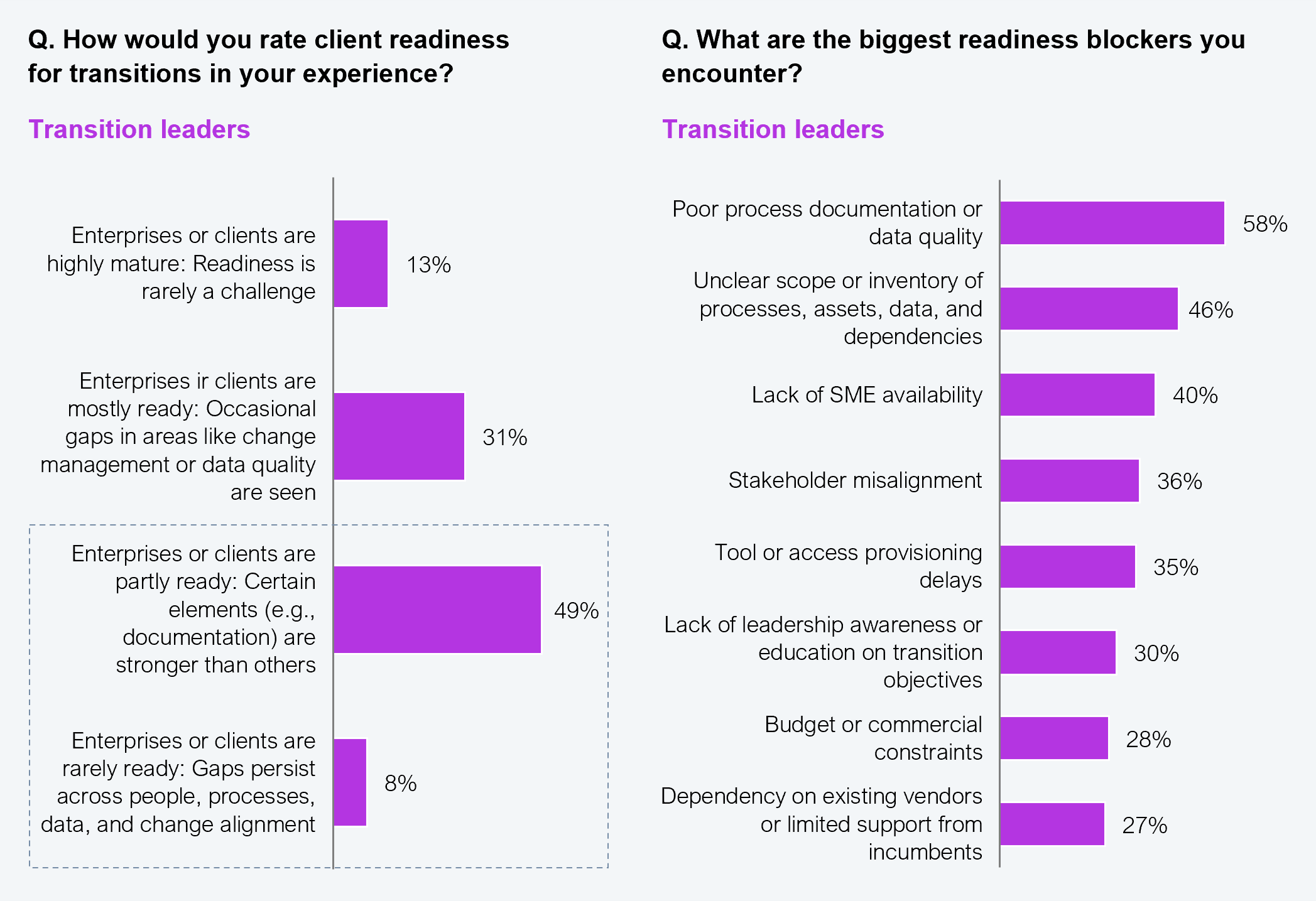
  • 58% cite poor documentation.
  • 46% cite unclear scope.
  • 40% cite lack of SME access.
Exhibit 8: Transition management teams expect enterprises to address key readiness blockers

Two side-by-side horizontal bar charts, both from 152 transition leaders. Left chart shows how transition leaders rate client readiness: enterprises are highly mature (readiness is rarely a challenge) 13%; enterprises are mostly ready with occasional gaps in change management or data quality 31%; enterprises are partly ready with certain elements stronger than others 49%; enterprises are rarely ready with gaps persisting across people, processes, data, and change alignment 8%. Right chart shows the biggest readiness blockers encountered: poor process documentation or data quality 58%; unclear scope or inventory of processes, assets, data, and dependencies 46%; lack of SME availability 40%; stakeholder misalignment 36%; tool or access provisioning delays 35%; lack of leadership awareness or education on transition objectives 30%; budget or commercial constraints 28%; dependency on existing vendors or limited support from incumbents 27%. Source: HFS Research, 2025.

Sample: 152 survey participants
Source: HFS Research, 2025

Even when advanced toolsets are available, 59% of transition management teams face information security (infosec) or privacy restrictions, 47% cite integration complexity, and 42% flag budget limitations (Exhibit 9). Without clean inputs, even the best accelerators fall flat. Enterprises must “pre-run the track” before the baton pass by validating documentation, scoping, and SME access so teams can execute with confidence, not improvisation.
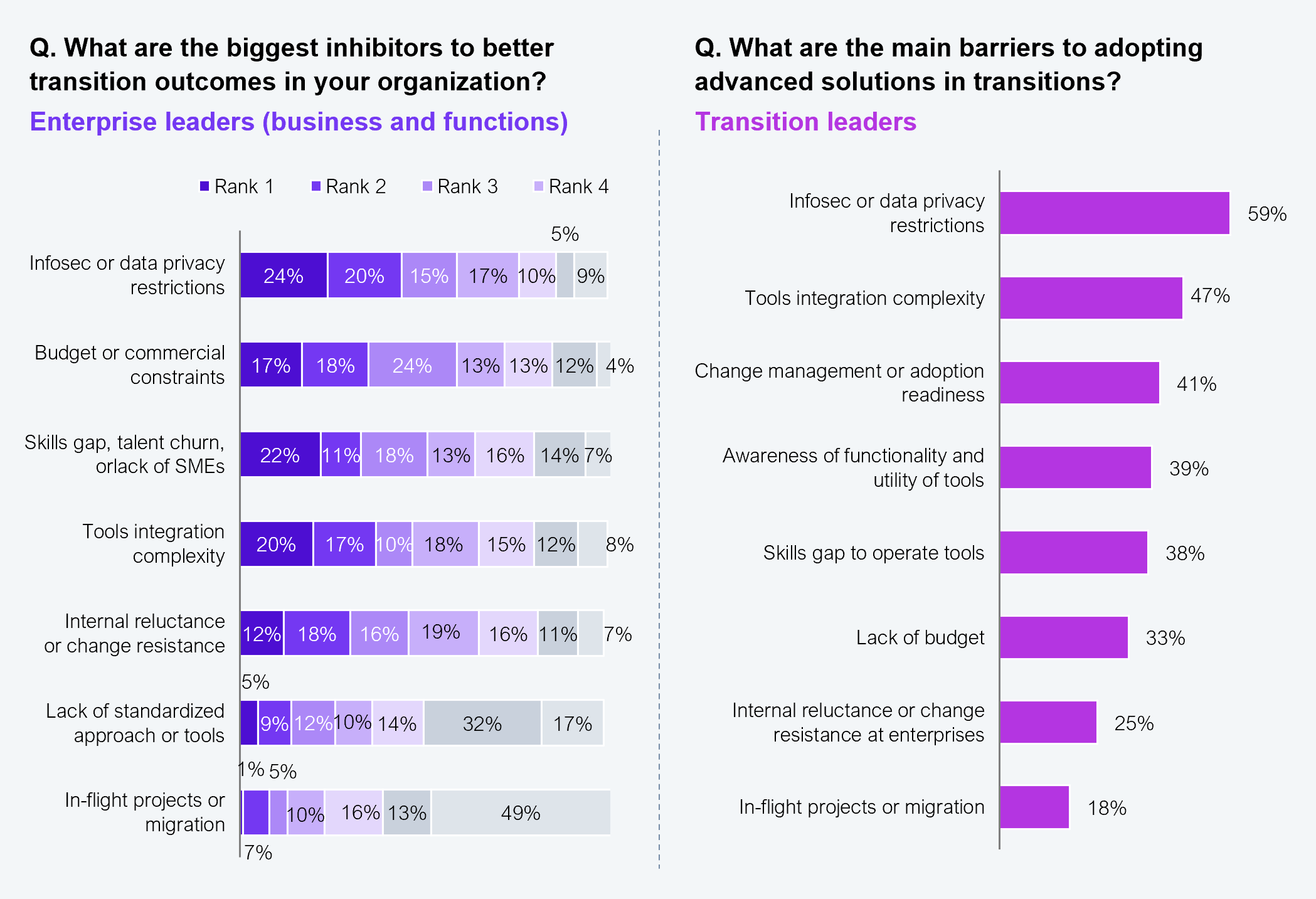
Exhibit 9: Enterprises must enable transition management teams to apply advanced solutions

Two side-by-side ranked bar charts. Left chart: 153 enterprise business and functional leaders ranking the biggest inhibitors to better transition outcomes using a four-rank scale; infosec or data privacy restrictions and budget or commercial constraints rank most prominently at ranks 1 through 2, with infosec ranked first by 24% and second by 20%; skills gap, talent churn, or lack of SMEs ranked first by 22%; tools integration complexity ranked first by 20%; internal reluctance or change resistance ranked first by 12%; lack of standardized approach or tools ranked fourth by 32%; in-flight projects or migration ranked fourth by 49%. Right chart: 152 transition leaders with service providers and GCCs listing the main barriers to adopting advanced solutions in transitions: infosec or data privacy restrictions 59%; tools integration complexity 47%; change management or adoption readiness 41%; awareness of functionality and utility of tools 39%; skills gap to operate tools 38%; lack of budget 33%; internal reluctance or change resistance at enterprises 25%; in-flight projects or migration 18%. Source: HFS Research, 2025.

Sample: 153 enterprise business and functional leaders, 152 transition leaders with service providers and GCCs
Source: HFS Research, 2025

How should enterprises prepare for transitions?

  • Establish transition-specific enablers, including aligned SMEs, approvals, and budgets.
  • Define value measures upfront and embed discovery into the transition charter.
  • Insist on phased delivery (markets, pilots, functions) to demonstrate value progressively.
  • Contextualize playbooks with enterprise-specific inputs, instead of dismissing them as generic.

How can transition management teams elevate execution quality?

  • Embed expertise early and tailor playbooks to design accelerated outcomes (e.g., fast-track knowledge transfer)
  • Run structured readiness checks to expose and mitigate enterprise constraints before execution.
    • Recruit the WHO: Transition outcomes depend on the talent empowered to lead and connect

The effectiveness of a transition rarely hinges on team headcount. It depends on how talent, leadership, and soft skills are orchestrated across enterprise and provider teams.

Enterprises and transition management team leaders consistently cite communication, empathy, and business acumen as the most significant capability gaps (Exhibit 10). These are not optional; they build credibility in the ambiguity of transition periods.
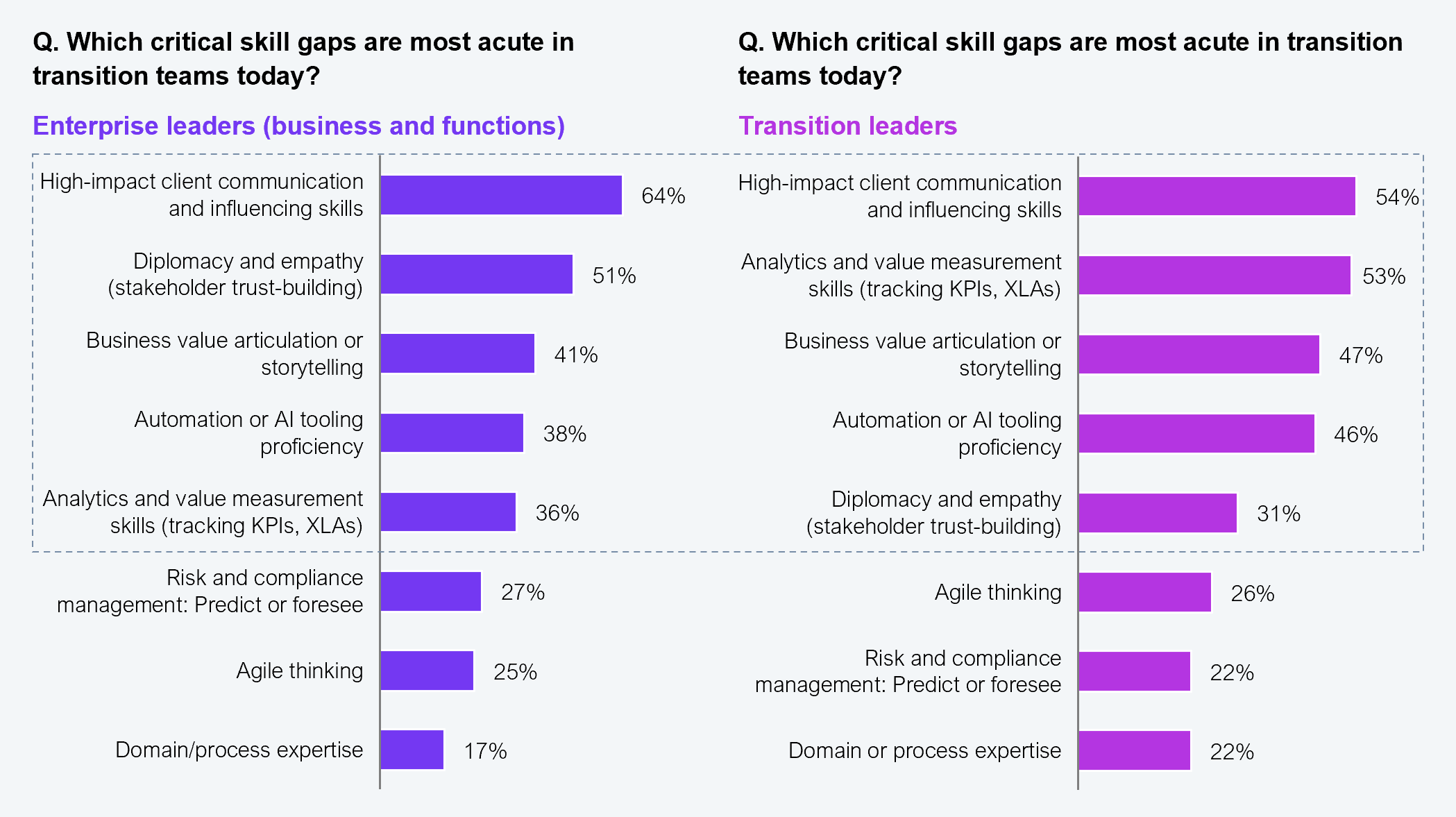
Exhibit 10: Softer aspects of engagement are the most critical gaps in transition skills

Two side-by-side horizontal bar charts. Left chart: 153 enterprise business and functional leaders identifying the most acute critical skill gaps in transition teams: high-impact client communication and influencing skills 64%; diplomacy and empathy (stakeholder trust-building) 51%; business value articulation or storytelling 41%; automation or AI tooling proficiency 38%; analytics and value measurement skills (tracking KPIs and XLAs) 36%; risk and compliance management (predict or foresee) 27%; agile thinking 25%; domain or process expertise 17%. Right chart: 152 transition leaders with service providers and GCCs identifying the most acute critical skill gaps in transition teams: high-impact client communication and influencing skills 54%; analytics and value measurement skills (tracking KPIs and XLAs) 53%; business value articulation or storytelling 47%; automation or AI tooling proficiency 46%; diplomacy and empathy (stakeholder trust-building) 31%; agile thinking 26%; risk and compliance management (predict or foresee) 22%; domain or process expertise 22%. Source: HFS Research, 2025.

Sample: 153 enterprise business and functional leaders, 152 transition leaders with service providers and GCCs
Source: HFS Research, 2025

This doesn’t downplay technical rigor. But expertise must be matched with the ability to engage stakeholders, tell the story of progress, and create confidence under pressure.

Transition management teams should leverage industry context, empathic communication, and consensus-building skills to instill confidence among enterprise stakeholders from the outset. Visible leadership is just as critical. Transition management teams must appoint a named transition lead early to ensure continuity and field teams that reflect enterprise diversity across gender and generations.

Best practices emphasize the role of local liaisons embedded in-country to work directly with enterprise stakeholders while coordinating tightly with nearshore and offshore delivery hubs. Without this, communications breakdown and context gaps multiply.

Local liaisons in-country working with offshore pods make all the difference—without them, communication breaks down.

— CFO of a North American manufacturer

Enterprises also underinvest in internal transition leadership. Trust improves when enterprises field their own capable transition managers to co-own accountability, safeguard context, and reduce friction. While many of these roles are temporary, the experience builds a powerful talent bench for broader transformation programs.

Market signals reinforce this shift. Salaries for AI and transition program managers are among the fastest-growing in the tech industry, underlining the premium on leaders who can shepherd organizations through change curves.

Change management is another critical element, and enterprises often treat it as an afterthought today. About half (52%) of enterprises concede that change management starts too late in the transition journey. Transition management teams echo this, citing weak client change maturity (48%) as a key friction point (Exhibit 11).
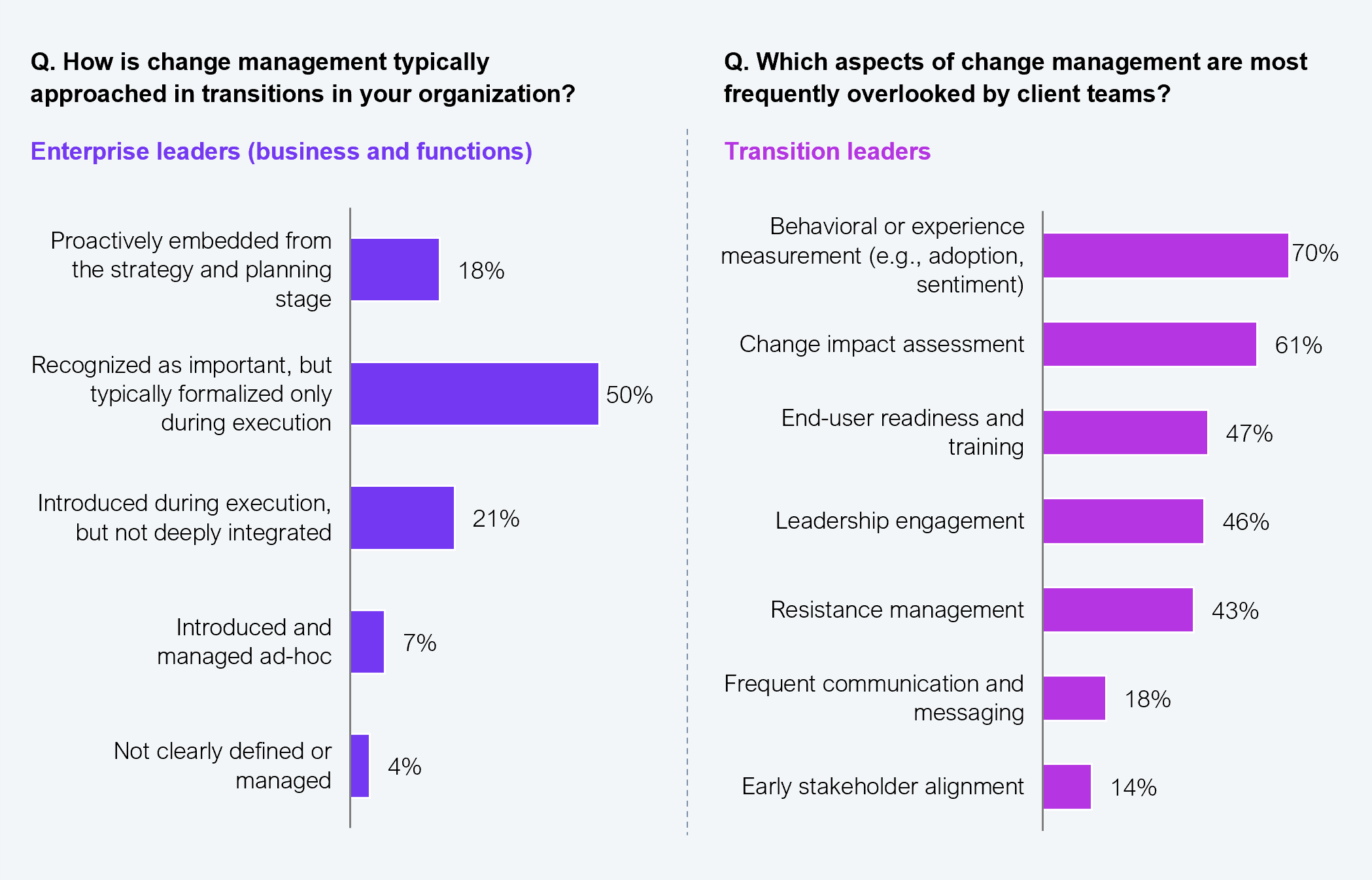
Exhibit 11: Change management needs to be a de facto workstream within transition planning and strategy

Two side-by-side charts. Left chart: 153 enterprise business and functional leaders describing how change management is typically approached in transitions: proactively embedded from the strategy and planning stage 18%; recognized as important but typically formalized only during execution 50%; introduced during execution but not deeply integrated 21%; introduced and managed ad hoc 7%; not clearly defined or managed 4%. Right chart: 152 transition leaders with service providers and GCCs identifying the aspects of change management most frequently overlooked by client teams: behavioral or experience measurement (e.g., adoption, sentiment) 70%; change impact assessment 61%; end-user readiness and training 47%; leadership engagement 46%; resistance management 43%; frequent communication and messaging 18%; early stakeholder alignment 14%. Source: HFS Research, 2025.

Sample: 153 enterprise business and functional leaders, 152 transition leaders with service providers and GCCs
Source: HFS Research, 2025

A shift-left approach is critical wherein change management is embedded from day one to ensure that communication, training, and leadership sponsorship evolve in step with operational changes, rather than reacting to them.

Key stakeholder groups, such as finance, HR, risk, and local business leaders, are often overlooked in transition planning. Their buy-in drives budgets, controls, and regional adoption, while ignoring them undermines success.

For many transition managers, their experience becomes a natural stepping-stone into transformation roles. It’s a win-win for the talent and the enterprise.

— GCC head with a global healthcare organization

How should enterprises set up for transitions?

  • Appoint internal transition managers to integrate cross-functional stakeholders and co-own accountability for the transition.
  • Treat change management as a core workstream, resourced from day one—even if sourced externally.

How should transition management teams approach the people aspect of transitions?

  • Balance delivery expertise with business fluency and storytelling.
  • Deploy local liaisons and ensure leadership continuity across phases.
  • Proactively engage overlooked stakeholders (e.g., finance, HR, risk) through structured OCM.
  • Name a transition lead early, reflect enterprise values in team composition (e.g., gender, generational diversity).
    • Equip the HOW: Governance, metrics, and tools must track what matters

Transition governance and measurement often lag execution, yet they determine whether a transition scales or stalls.

Enterprise and provider leaders agree that stronger governance and better visibility are essential. More than half (58%) of enterprises cite governance structures and clearly defined processes as critical to the success of their transition, and 47% prioritize an adaptive cadence enabled by data and insights. Transition team leaders echo this, pointing to governance gaps and inconsistent stakeholder engagement as recurring pain points (Exhibit 12).
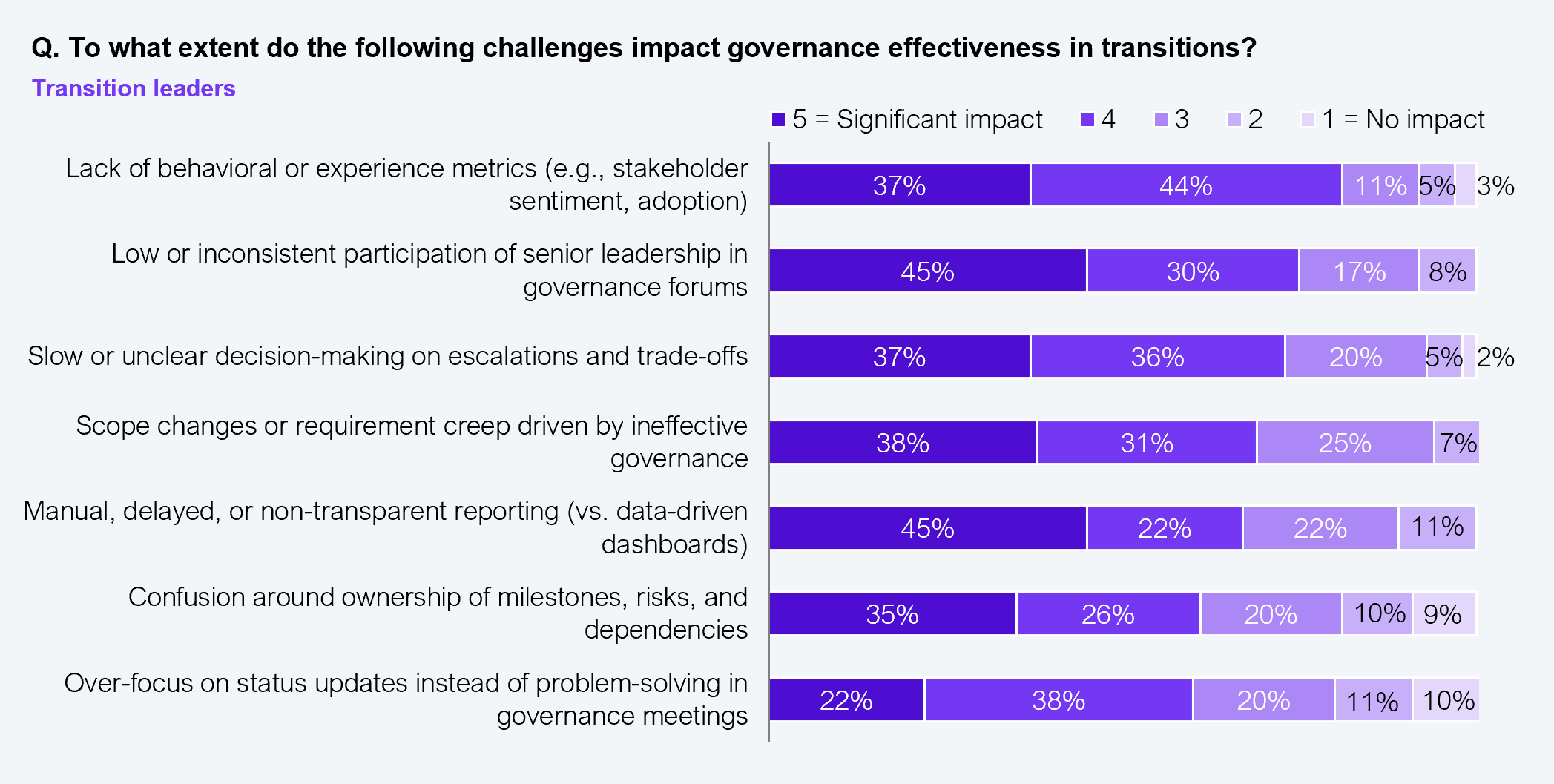
Exhibit 12: Transition teams call for stronger governance design and cadence

Horizontal stacked bar chart using a five-point impact scale (5 = Significant impact through 1 = No impact) applied to seven governance challenges, rated by 152 transition leaders with service providers and GCCs. Lack of behavioral or experience metrics (e.g., stakeholder sentiment, adoption): 37% at level 5, 44% at level 4, 11% at level 3, 5% at level 2, 3% at level 1. Low or inconsistent participation of senior leadership in governance forums: 45% at level 5, 30% at level 4, 17% at level 3, 8% combined at levels 2 and 1. Slow or unclear decision-making on escalations and trade-offs: 37% at level 5, 36% at level 4, 20% at level 3, 5% at level 2, 2% at level 1. Scope changes or requirement creep driven by ineffective governance: 38% at level 5, 31% at level 4, 25% at level 3, 7% combined. Manual, delayed, or non-transparent reporting (vs. data-driven dashboards): 45% at level 5, 22% at level 4, 22% at level 3, 11% combined. Confusion around ownership of milestones, risks, and dependencies: 35% at level 5, 26% at level 4, 20% at level 3, 10% at level 2, 9% at level 1. Over-focus on status updates instead of problem-solving in governance meetings: 22% at level 5, 38% at level 4, 20% at level 3, 11% at level 2, 10% at level 1. Source: HFS Research, 2025.

Sample: 152 transition leaders with service providers and GCCs
Source: HFS Research, 2025

Best practice embeds SLAs, escalation paths, cadence rituals, and decision rights into the operating fabric from day one. These are not admin tasks but trust-building levers. Steering forums, dashboards, and structured reviews ensure risks are surfaced early, trade-offs are addressed transparently, and confidence is reinforced through shared visibility.

But governance without measurement loses meaning.

Despite growing interest in experience-level agreements (XLAs), most transitions still measure what’s easy. Metrics remain anchored in SLA-era logic, including uptime, defect rates, and go-live status. Meanwhile, transition value around agility, adoption, user satisfaction, and resilience remains unmeasured.

Early XLAs can start simple by tracking these metrics:

  • Percentage of users onboarded within 90 days.
  • Cycle-time reduction in approvals or onboarding.
  • Time to recovery during service disruptions.

Over time, metrics should ladder up to include these metrics:

  • Operational level: SLA + XLA (adoption, cycle time, error rate).
  • Functional level: standardization, productivity, compliance.
  • Executive level: resilience, competitiveness, EBIT contribution.

Organizations that consistently track this hierarchy of value from the user level to the enterprise level realize greater transition maturity and transformation impact.

You can’t keep measuring defect rates and uptime and expect transformation. Telemetry on adoption, experience, and resilience would be very valuable.

— GCC head with a global life sciences organization

Enterprises are also asking for greater visibility into “human signals.” About 80% expect providers to track soft factors, such as stakeholder sentiment, alignment, and engagement. Modern tools can quantify these with sentiment analysis, stakeholder heatmaps, and network and behavioral analytics.

AI will play an increasingly central role in enhancing the transition experience, not replacing humans. Leading enterprises aren’t waiting for full AI infusion; they’re starting with accessible, pragmatic levers.
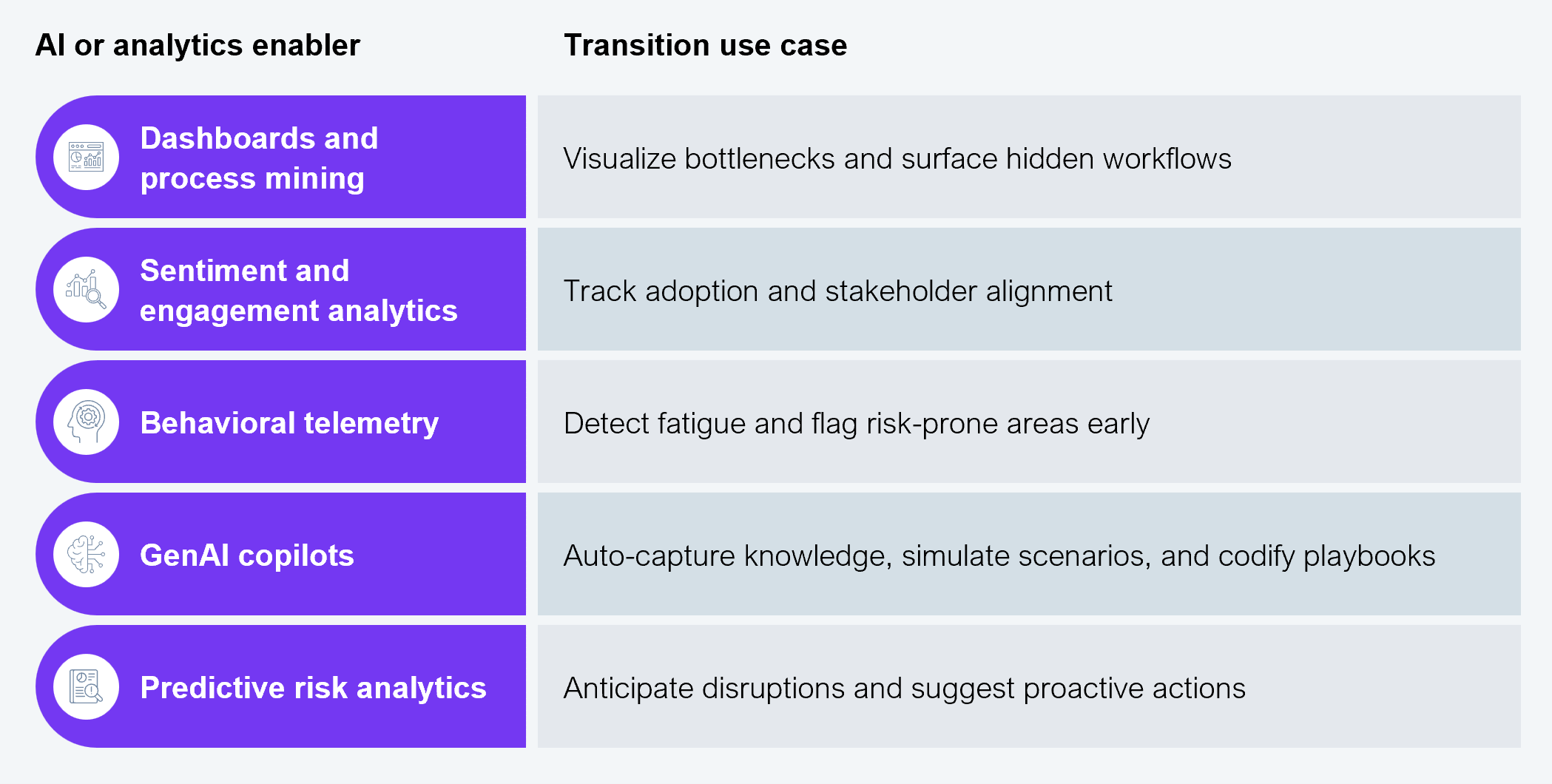
Two-column reference table mapping five AI or analytics enablers to their transition use cases. Left column lists enablers in purple pill-shaped labels with icons: Dashboards and process mining (visualize bottlenecks and surface hidden workflows); Sentiment and engagement analytics (track adoption and stakeholder alignment); Behavioral telemetry (detect fatigue and flag risk-prone areas early); GenAI copilots (auto-capture knowledge, simulate scenarios, and codify playbooks); Predictive risk analytics (anticipate disruptions and suggest proactive actions). Source: HFS Research, 2025.

AI adoption works when framed as an experience enhancer; productivity follows as a by-product.

— Functional head with a North American retailer

AI adoption works when framed as an experience enhancer; productivity follows as a by-product.

— GCC leader with a leading health enterprise

How can enterprises rewire governance, metrics, and collaboration?

  • Treat governance as a strategic design choice and not an afterthought.
  • Shift metrics from stabilization to adoption, experience, and resilience.
  • Create data access and enablement for AI-led transition visibility.
  • Adopt an ecosystem mindset by integrating ops, tech, and design teams.

How can transition management teams enable better governance and value tracking?

  • Build adaptive governance with cadence, transparency, and decision SLAs.
  • Use AI and analytics to enhance visibility and simplify execution.
  • Co-own value measurement with the enterprise, starting with XLAs.
The Bottom Line: Transitions are where long-term value is either enabled or constrained.

In the evolving Services-as-Software era, transitions are no longer just operational events. They are pivotal design moments that shape how enterprises and their partners collaborate, scale, and adapt. Whether delivered through global capability centers or external providers, transitions define how quickly and effectively organizations move from intent to impact.

Transitions must evolve from tactical handovers to shared, co-designed capabilities that prioritize both long-term adaptability and near-term stability. For this to happen, both enterprises and transition teams must align around a clear purpose, a more disciplined execution model, empowered talent, and value-driven governance.

When transitions are approached with shared accountability, transparent design, and a commitment to continuous learning, they build the trust and resilience needed to scale future-ready operating models.

The ask is simple: enterprises and transition teams need to treat transitions as a joint investment in future capability, not just a means of operational transfer. Doing so sets the foundation for transformational value not after the transition, but through it.

Sign in to view or download this research.

Login

Register

Insight. Inspiration. Impact.

Register now for immediate access of HFS' research, data and forward looking trends.

Get Started

Authors

  • Ian Maher Research Fellow & Senior Advisor

  • Biswadeep Ghosh Hazra Senior Research Analyst

Related

Download Research

    Sign In

    Sign up for a free
    research account

    With the exception of our Horizons reports, most of our research is available for free on our website. Sign up for a free account and start realizing the power of insights now.

    By registering you agree to our privacy policy.

    I hereby consent that HFS Research can process my personal data.

    Digests/Newsletters: Overviews of the latest news, insight, and research by HFS.

    HFS Events: Exclusive invitations to HFS webinars, roundtables, and summits, bringing together key industry stakeholders focused on major innovations impacting business operations.

    Premium Access

    Our premium subscription gives enterprise clients access to our complete library of proprietary research, direct access to our industry analysts, and other benefits.

    Contact us at [email protected] for more information on premium access.

      Contact Ask HFS AI Support