This Market Impact Report is for US health system CXOs, hospital executives, and healthcare technology leaders evaluating how to redesign operating models and execute consolidations successfully in the face of accelerating M&A, cost pressure, and demographic change.
For the past 50 years, US health systems and hospitals have adapted to deliver increasingly sophisticated clinical care while optimizing resource utilization (facilities, beds, clinicians). Continuously evolving therapies, increasing evidence-based guidelines, and shrinking reimbursements have forced health systems to reimagine operations and restructure their market footprint. During this period, the US population increased by 57% while hospital beds declined by 37% (see Exhibit 1), underscoring this extraordinary optimization and the ability to safely deliver an increasing proportion of care in an ambulatory setting.
Despite these changes, health systems are struggling with the confluence of our aging population (by 2034, the US will have more older people than younger people), the increased prevalence of chronic diseases (6 in 10 Americans have a chronic condition), the impacts of climate change, and an unsustainable upward trajectory of the cost of care.
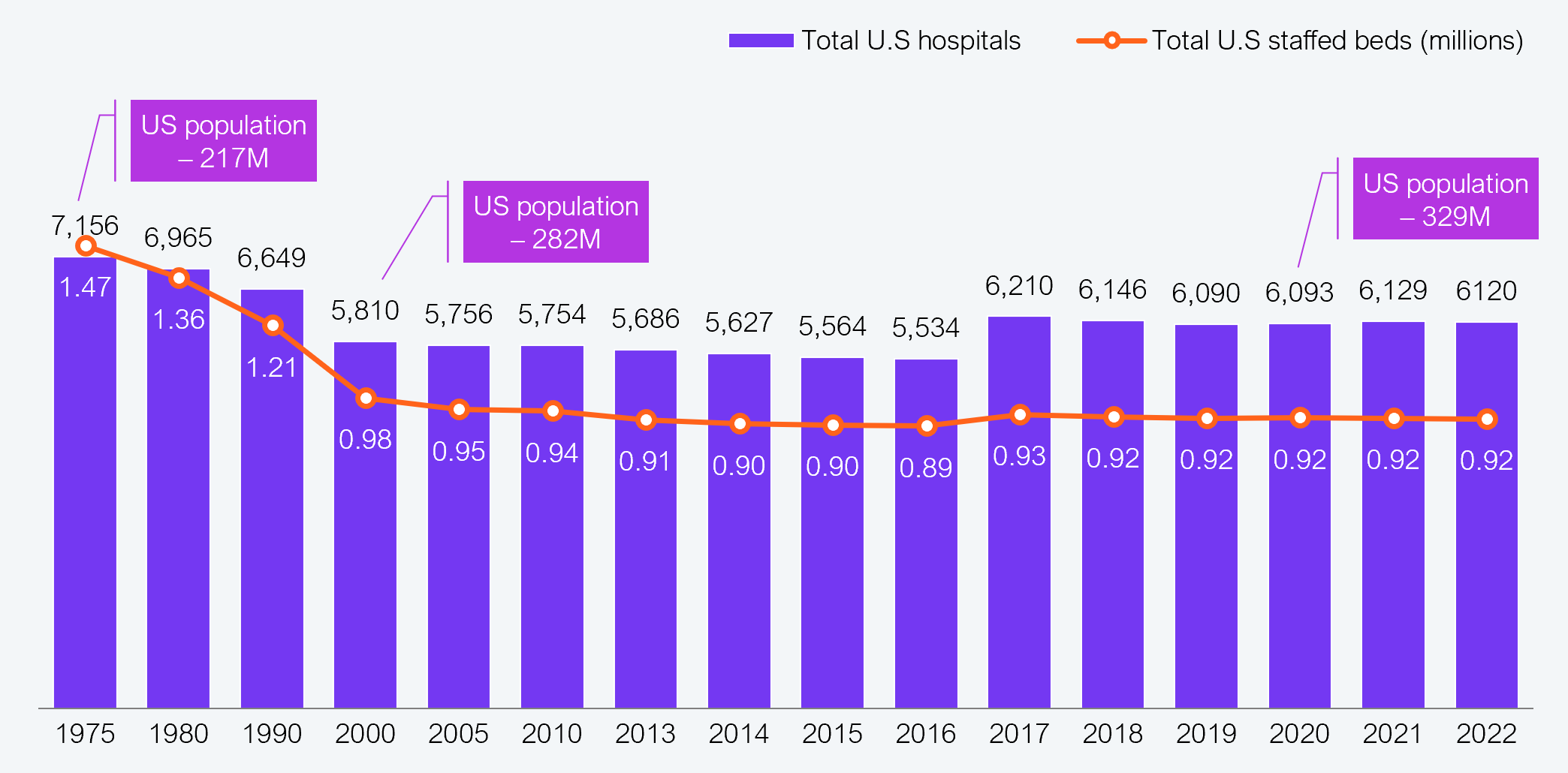
Source: American Medical Association, US Census Bureau, Centers for Disease Control and Prevention, HFS Research, 2025
HFS Research, in partnership with Cognizant, has studied the future state of the US healthcare delivery landscape, the ramp-up of health system consolidations, and how prepared health systems and hospitals are to embrace them. The study incorporates insights from more than 150 health systems’ CXOs who are on the front lines of redefining America’s healthcare delivery.
The research revealed five actionable opportunities to adapt to the future of care delivery and create strategic opportunities for success:
The next phase will be different with a preponderance of horizontal integrations (consolidation) across state lines funded by PE and public funds to drive health system synergies, better cost management, and innovation at scale to meet the needs of the changing demographics.
Sixty percent of survey respondents identified cost as the primary challenge (see Exhibit 2), while 45% indicated that staffing shortages are challenging operations. Given the increasing regulatory pressure at both the state and federal levels and tighter reimbursement rates by CMS and commercial insurers, exposure to higher levels of liability exacerbates the cost challenges.
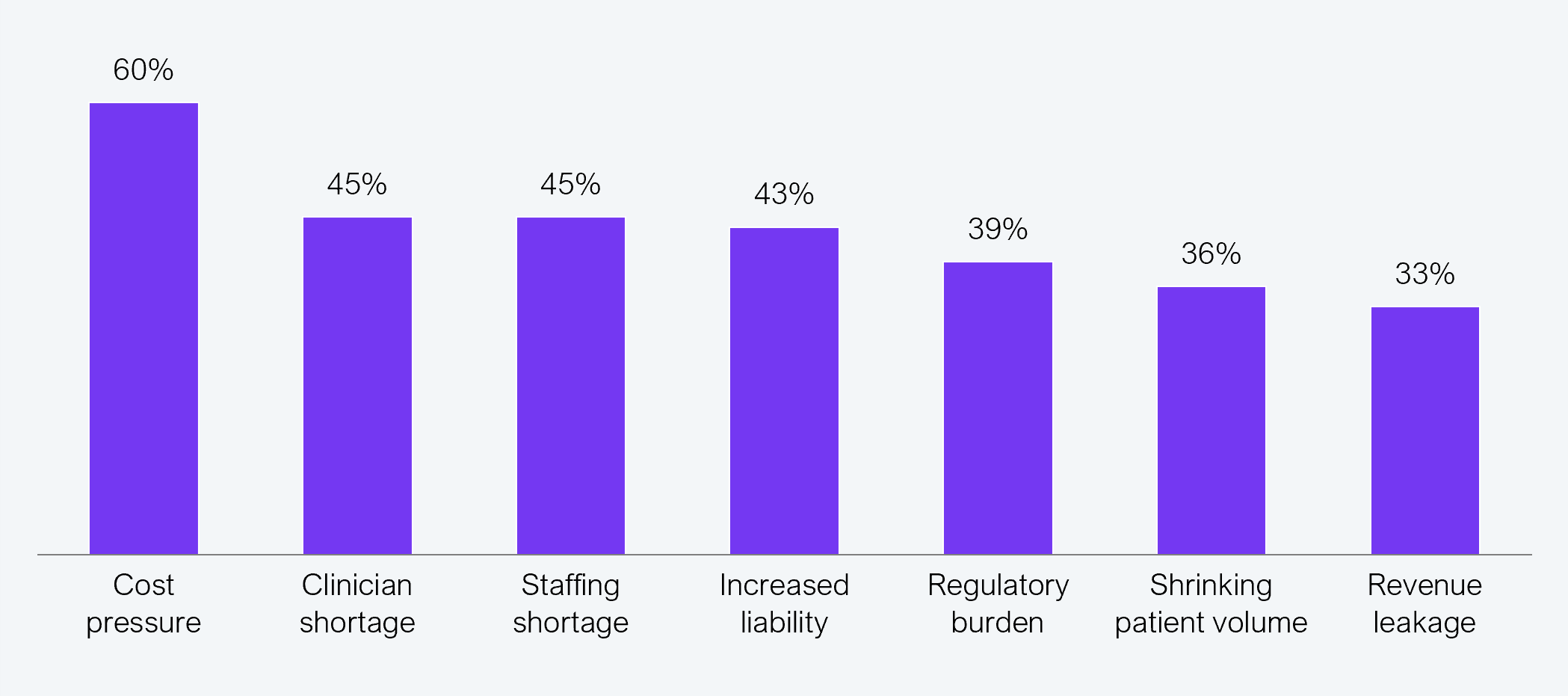
Sample: 152 US health system and hospital CXOs
Source: HFS Research in partnership with Cognizant, 2025
All critical healthcare cost drivers—including medical, personnel, capital, and uncompensated care—are outpacing inflation. These cost pressures and the inability to deploy technologies to counter them effectively are causing health system margins to decline despite top-line growth (see Exhibit 3).
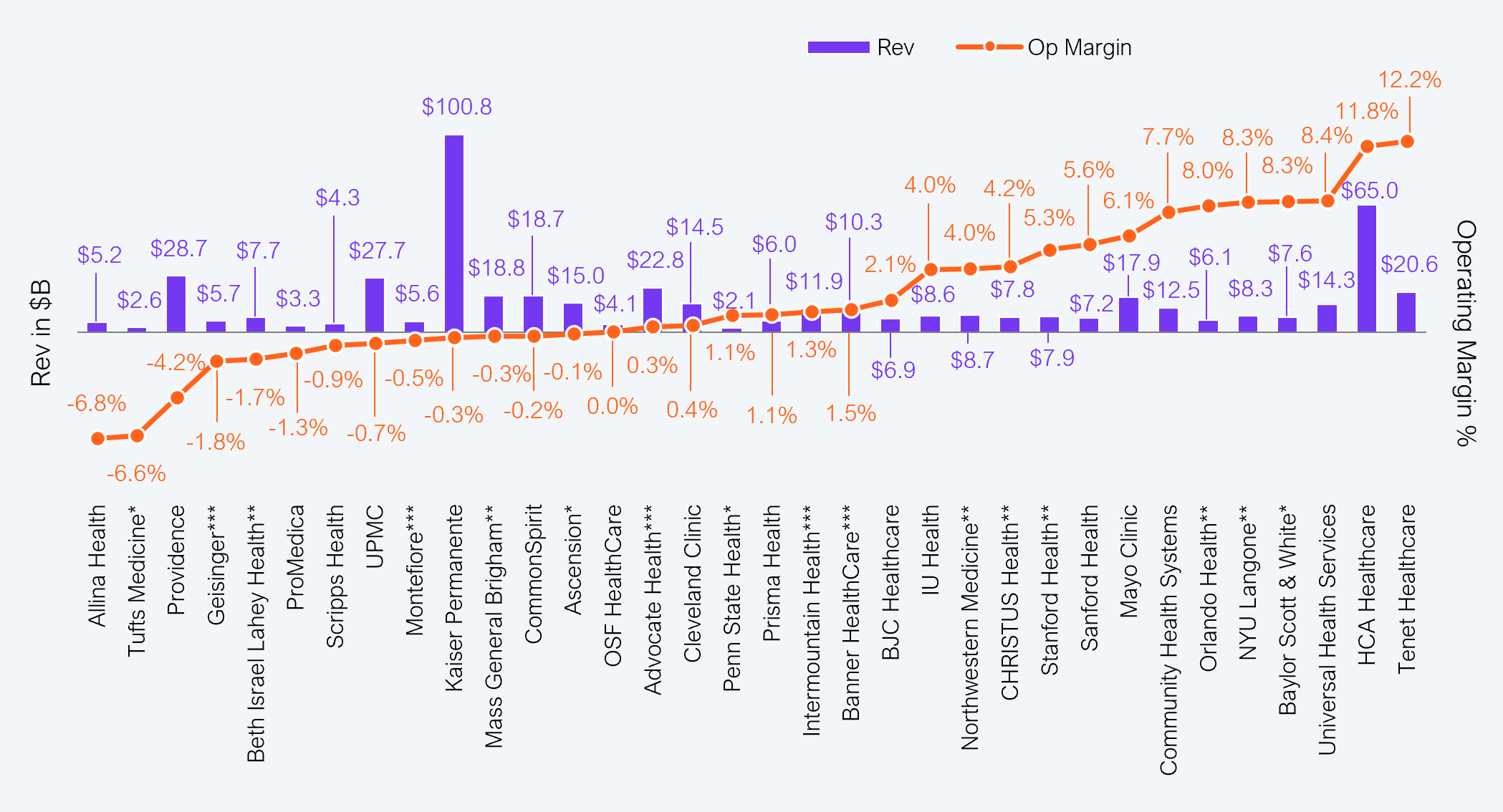
*Results for the first six months ending Dec. 31
**Results for the 12 months ending Sept. 30
***Results for the nine months ending Sept. 30
Source: Becker’s Hospital Review, HFS Research, 2025
Compounding cost pressures is a more brutal topline environment led by the end of the public health crisis-related stimulus, a changing payer mix, and shrinking reimbursements across commercial, Medicare, and Medicaid, as both the market and government signal this trend will continue. Health systems are increasingly evaluating direct-to-employer contracts with self-insured employers (seeking a lower administrative burden and improved health outcomes) to mitigate decreasing reimbursements. However, health systems are unprepared to assess, create, or successfully implement these contracts at a meaningful scale.
Consequently, health systems must invest more actively in adopting innovation and technology. This will help drive growth in markets with extensive competition, better manage regulatory pressures, more effectively meet patient needs, and better manage cost pressures. Without these active investments, health systems will continue to live “paycheck to paycheck,” further challenging their ability to compete in the future.
Maintaining adequate numbers of generalist and specialty-trained clinicians remains a significant concern in the context of the aging US aging population and chronic disease prevalence. According to the Bureau of Health Workforce, the clinical staff shortage is currently 55,000 and is anticipated to increase to more than 80,000 by 2035 (see Exhibit 4). Further, a strong economy and low unemployment will challenge non-clinician hiring.
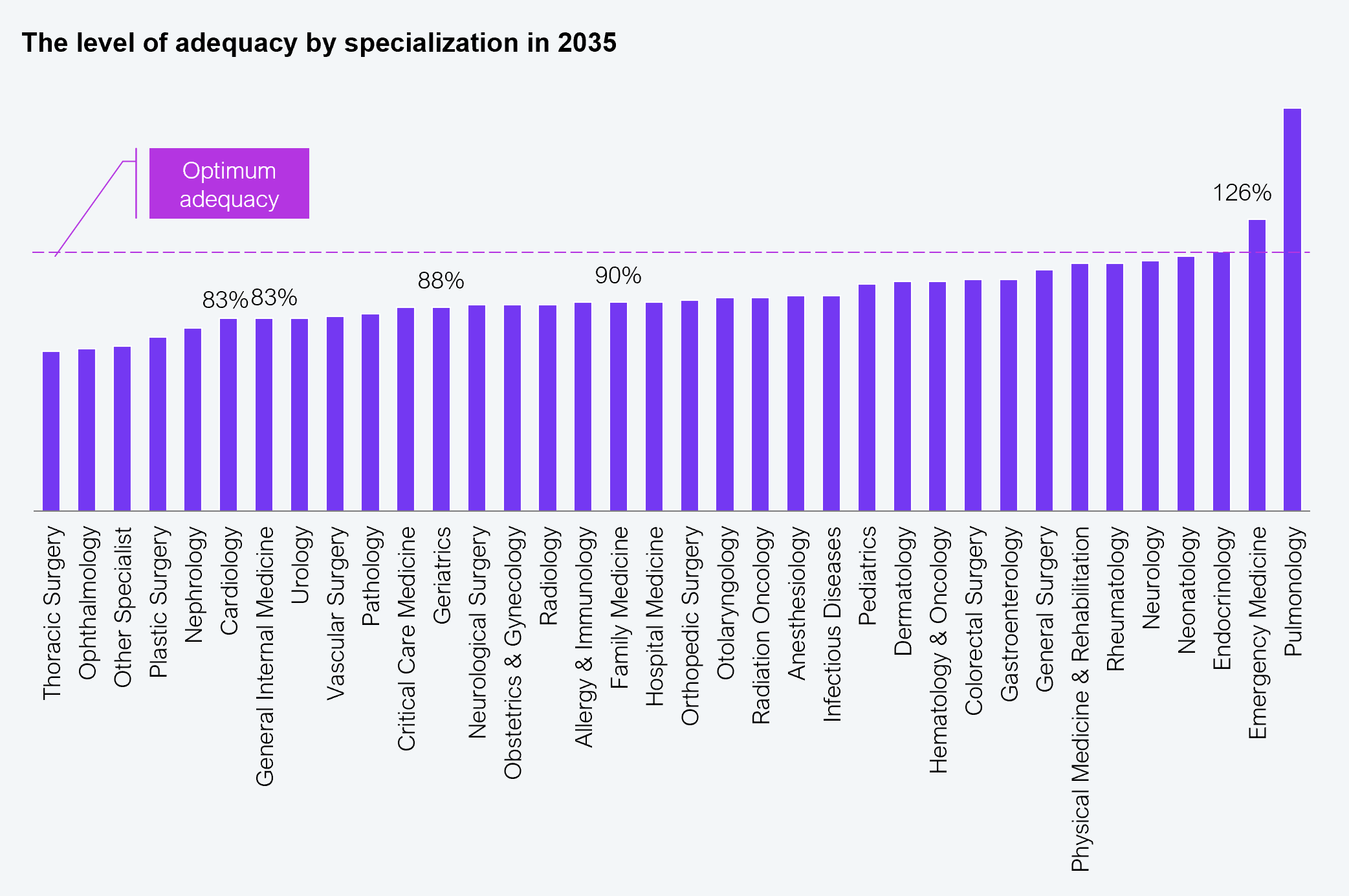
Source: Bureau of Health Workforce, US Dept. of Health and Human Services, HFS Research, 2025
Currently, health systems and their providers comply with approximately 800 discreet regulations, representing almost $50 billion in annual costs for compliance and monitoring. Although larger health systems can leverage economies of scale to manage compliance, smaller providers face disproportionate expenses and administrative burdens. This regulatory burden is anticipated to continue increasing as regulatory changes tend to be accretive rather than sunsetting legacy requirements.
Mergers and acquisitions (M&A) driving consolidation and payer-provider integrations increase risk and regulatory complexities. Since these consolidated and integrated systems typically expand to operate in multiple geographies, the administrative burden to manage this increased, often multistate, regulatory compliance will continue to drag down financial and operational efficiencies.
Despite increasing regulatory burdens, there is positive news about medical malpractice risk based on data from the U.S. Department of Health and Human Services (HHS), indicating that medical malpractice cases have declined over time. Driven by standardization of care, evidence-based therapies, outcome assessments, and increasing use of technology, medical malpractice case rates have declined. This trend improves the quality of care delivery and reduces administrative costs.
Healthcare is local, which is reflected in how health systems think about growth. Urban and suburban systems focus on demographics and access to specialist care to drive growth, while those in rural communities leverage patient access and community engagement. In aggregate, across the nation, health system CXOs consider experience (clinician and patient), care delivery across modalities (remote, brick-and-mortar, hybrid), expanding access, and engaging with self-insured employers directly (see Exhibit 5).
Although Medicare and Medicaid drive large volumes, health systems are increasingly reevaluating the “volume opportunity” in the context of declining reimbursement rates. Consequently, there is energy to find new and sustainable revenue sources with reasonable margins.
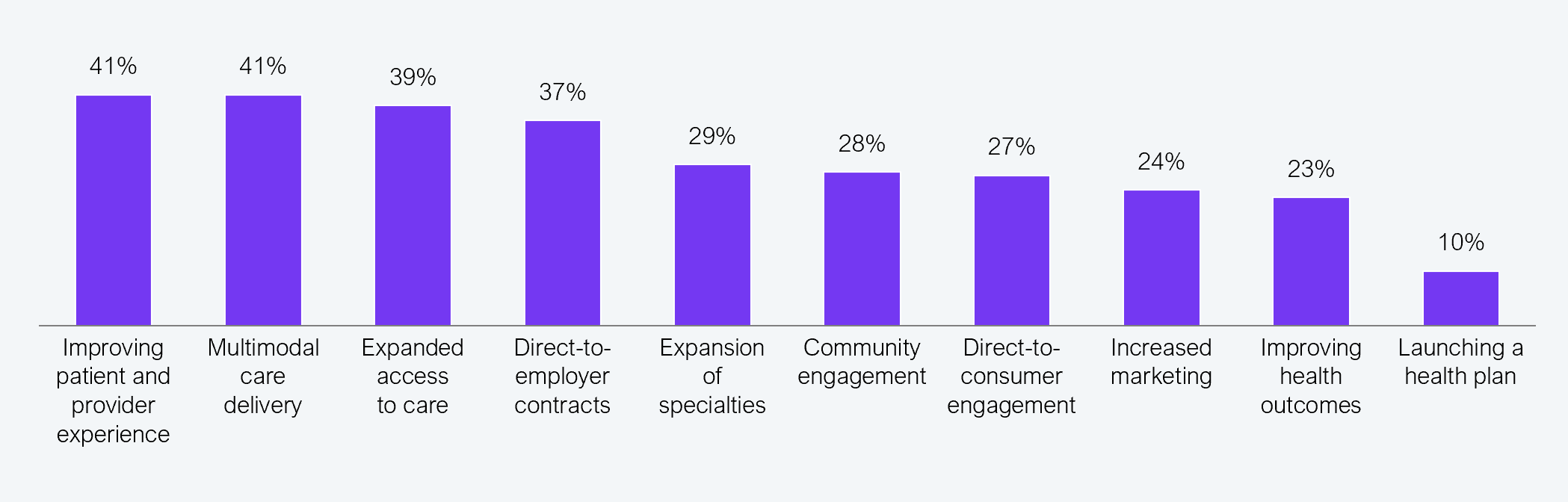
Sample: 152 US health systems and hospital CXOs
Source: HFS Research in partnership with Cognizant, 2025
For health systems in geographies with limited commercial activity, government programs remain their primary source of revenue. For example, the Ohio-based Metro Health system has historically gained positive margins on its Medicaid patients through community engagement and lead operations. More recently, Metro Health has deployed additional technology solutions for revenue recognition and, as with other similar systems, is evaluating opportunities to restrain cost through global capability centers (GCC) and other business process optimization.
Regional labor conditions and inflexible supply and utility costs constrain creative approaches to cost management. However, health systems are evaluating automation assets, increasingly focusing on AI, to reduce employees’ repetitive work. Similarly, GCCs can expand the labor pool and reduce costs for project-based and operating needs.
Health systems ranked patient experience as the least essential market differentiator but the most important for driving growth (see Exhibit 6). This contradiction likely reflects health systems’ inconsistent approaches with their patient experience programs. Patient experience is generally measured across a spectrum ranging from transactional (scheduling, registration, billing), clinical (diagnostic, therapeutic, ambulatory, and bedside), and post-acute care (follow-up, remote patient monitoring). As market expectations change and regulatory and reimbursement pressures accumulate, health systems often change patient experience priorities. Before the pandemic, most health systems had chief experience officers, a role now seldom seen. Thus, health systems have the latitude—and need—to partner, create, deploy, and sustain meaningful patient programs to ensure that experience drives growth.
Successful experience programs must seamlessly engage consumers (patients and family members) and providers (clinical and support staff) across touchpoints, including appointments, diagnostics, pharmacy, and post-care interactions. Provider engagement cannot be overemphasized since burnout drives dissatisfaction and attrition, directly impacting consumers. Health systems must reimagine provider work processes, incorporating technologies and business processes that simplify work and improve satisfaction.
Health systems increasingly embrace consumerism and technology to expand their offerings and create “one-stop shopping experiences” for patients. Thus, converting experiences into durable engagement will be essential to creating positive health outcomes and driving improved health system financials.
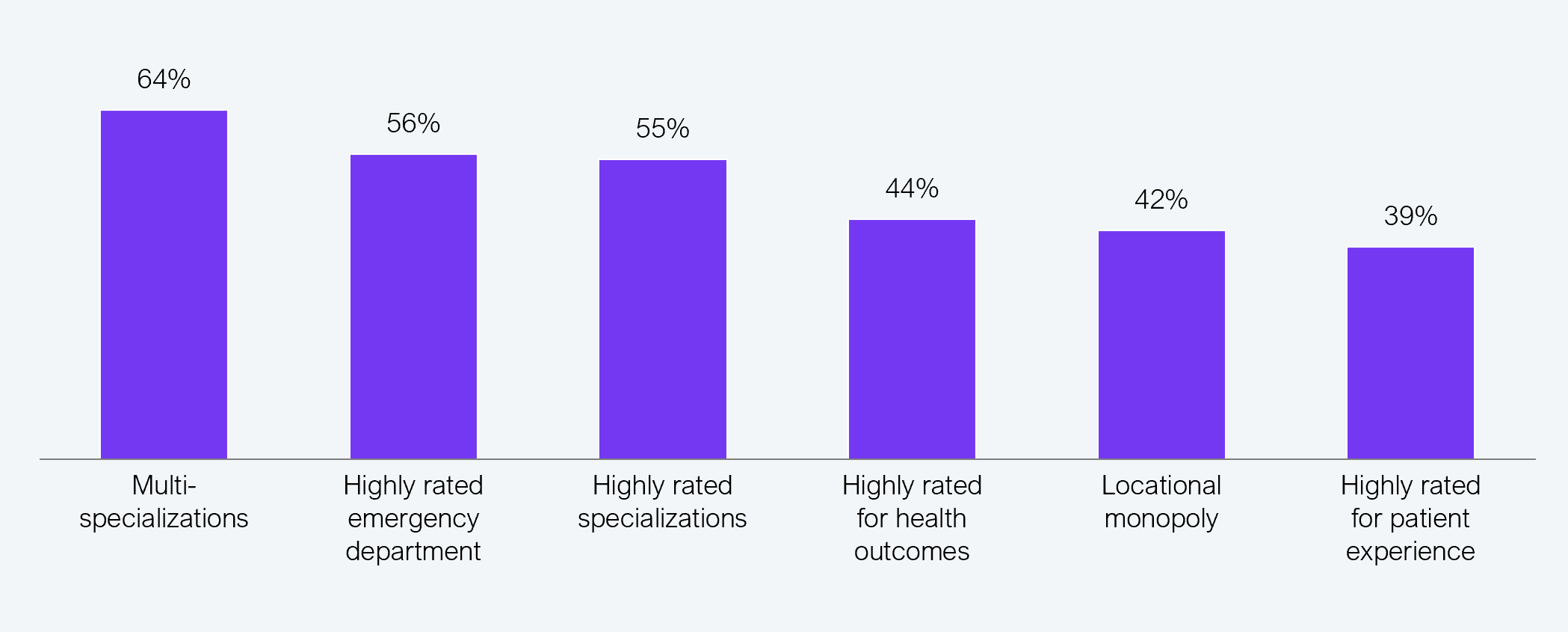
Sample: 152 US health systems and hospital CXO
Source: HFS Research in partnership with Cognizant, 2025
Access to care is a two-way street: Health systems depend on predominantly fee-for-service patients, while patients want timely and affordable care.
80% of health is outside the four walls of the hospital and is a result of where you live and how you live.
— Neil Meltzer, President and CEO, LifeBridge Health
Health systems are engaging their communities with programs created to address community health issues. These programs vary based on the systems’ geography, focusing on challenges affecting their communities and developing solutions to address these needs. In inner cities, education and preventing gun violence are major focus areas, while in rural locales, food insecurity is a focus. Successful programs engage with their local community and facilitate access to healthcare, resulting in improved overall health for that community.
Beginning in 2028, Medicare will include the Health Equity Index (HEI) as a reimbursement component. Health equity must include access as a critical component of success. Since other payers generally follow CMS policies, health systems have additional incentives to proactively organize and scale access programs.
Health systems want to optimize their investments for the best financial returns. They are accomplishing this by adapting their portfolio of clinical care programs for multimodal (facility-based, remote, and hybrid) and multigenerational care delivery (see Exhibit 6).
As care continues to shift from inpatient to outpatient environments, health systems have strategically focused on high-margin clinical programs such as orthopedics and neurology, embracing seniors by creating solutions and services to meet their needs and expectations.
Although preventive care typically does not drive the same volumes and margins as procedure-based care, it remains valuable for developing and maintaining an engaged relationship with patients, driving “brand loyalty” for future care.
Health systems are at an inflection point. Some systems are financially and operationally robust (for-profit, optimized portfolio, technologically advanced), while others are distressed (not-for-profit, rural, low-tech investments). While some systems aggressively pursue growth, others are just trying to survive. Health systems recognize the need to optimize costs, develop muscle to negotiate better terms with payers, and make investments to serve their community long-term. Increasing numbers of systems view M&A as a critical tool to meet these objectives (see Exhibit 7).
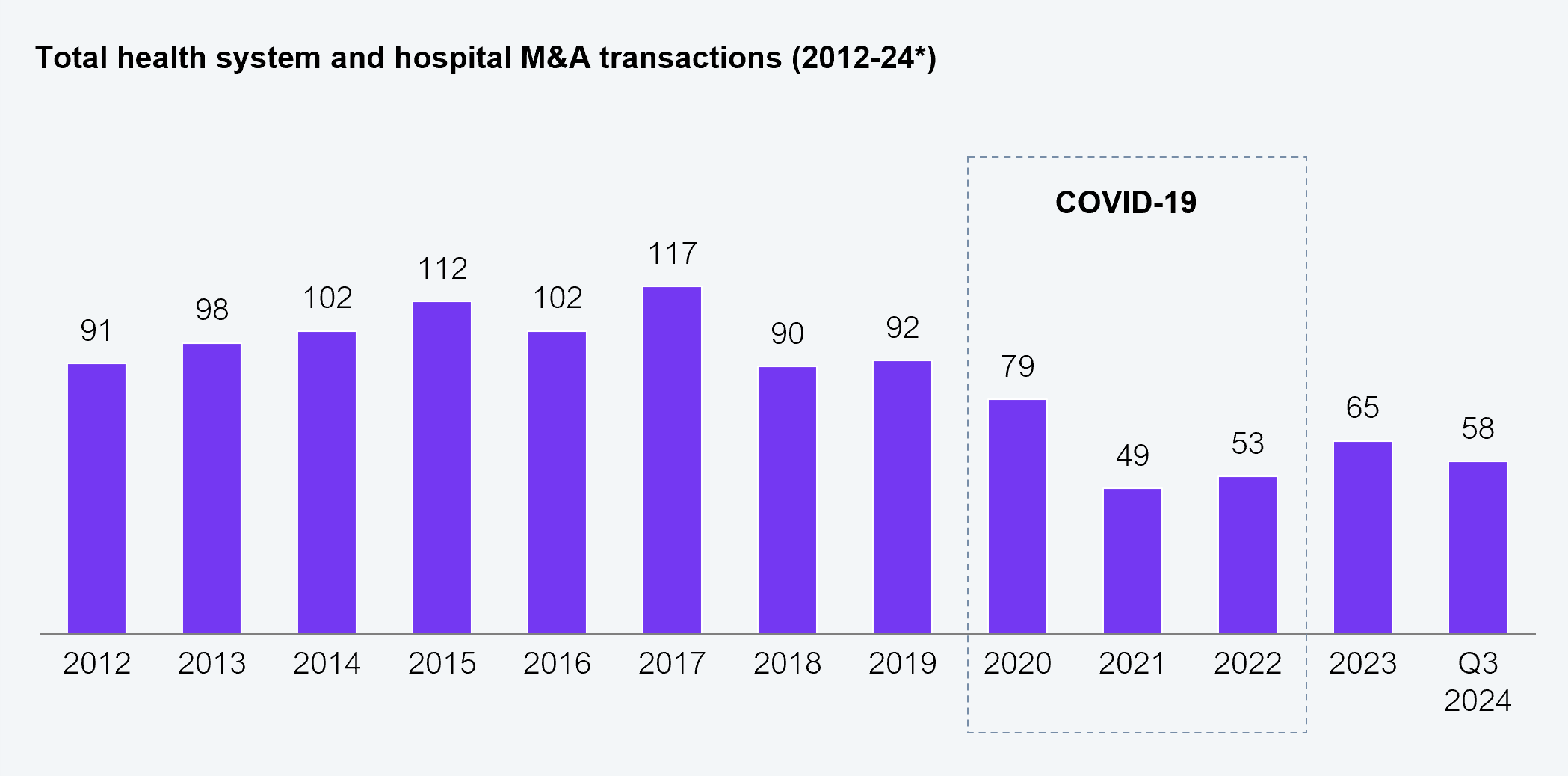
Source: KaufmanHall, HFS Research, 2025
A previous study by HFS Research and Cognizant highlights that approximately 50% of health plans and 30% of health systems completed vertical integrations during the past three years. As M&A activity continues to drive payer-provider integration, more evidence of financial or operational integration must be reflected in their financial statements. Payer-provider integrations will likely continue, and health systems must develop clear criteria for measuring outcomes and success with quantitative metrics.
…while vertical integrations and consolidations may not look successful currently, they will get it right eventually.
— David Sylvan, Chief Strategy, Innovation & Marketing Officer, University Hospitals, President UH Ventures
Eighty percent of health system CXOs anticipate significant consolidations over the next five to 10 years (see Exhibit 8). The primary drivers of consolidation will be financial growth, leverage to exact better terms from payers, and capital to invest for sustained growth.
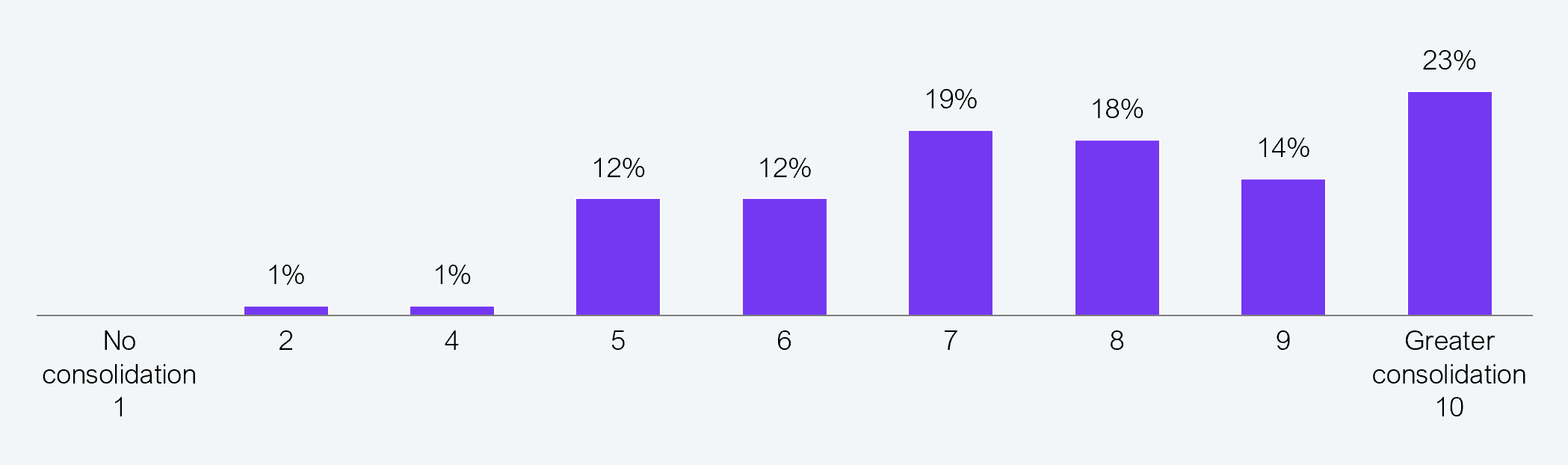
Sample: 152 US health systems and hospital CXO
Source: HFS Research in partnership with Cognizant, 2025
Continued consolidation only increases the urgency for health systems to develop a robust operating playbook to guide them toward success. Although larger systems have successfully driven integration through trial and error, not all systems have been able to replicate that success. A new, systematized operating model to meet the needs of consolidated systems must be flexible, scalable, and address evolving market needs. Only such a model can optimize the required investments and expectations for results (see Exhibit 9).
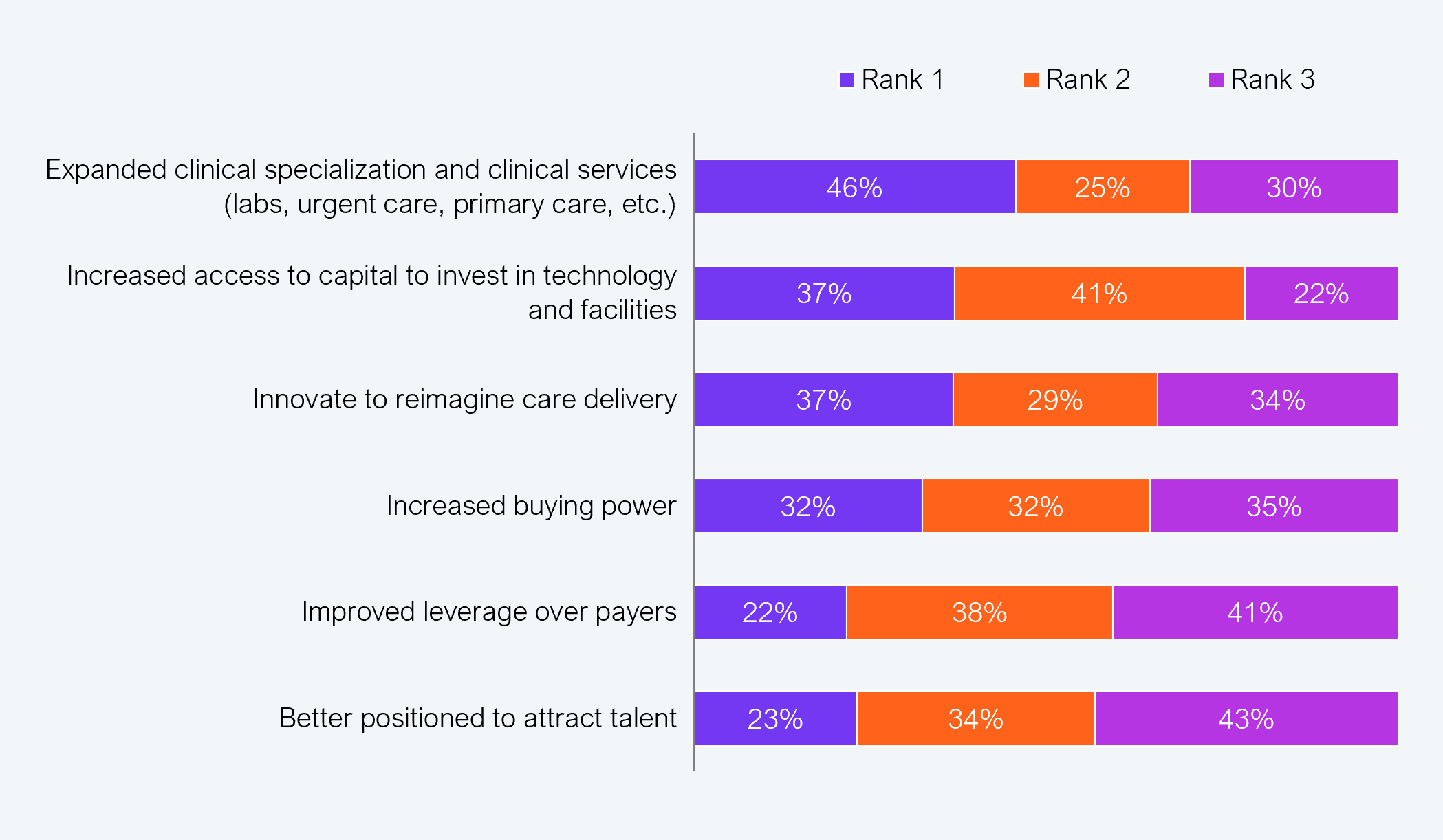
Sample: 152 US health systems and hospital CXO
Source: HFS Research in partnership with Cognizant, 2025
Health systems are acquiring pharmacies, ambulatory surgical centers, key specialty practices (radiology, cardiology), and services (home care, near-patient technologies) to diversify their revenue streams. This vertical integration creates a wraparound to traditional care delivery encompassing acute, ambulatory/procedure-based services, physical/occupational therapy, at-home and virtual care, imaging, and pharmacy. These integrations are beginning to span geographies, creating regional powerhouses in multiple communities and strengthening health systems’ negotiating power with payers. A plurality of health systems indicated diversifying revenues (see Exhibit 10) as a critical driver toward vertical integration. However, as in the case of consolidations, health system vertical integrations need an operating playbook that can translate good ideas from PowerPoint to grounded realities. The success of acquisitions depends upon integration, which will require an operating playbook.
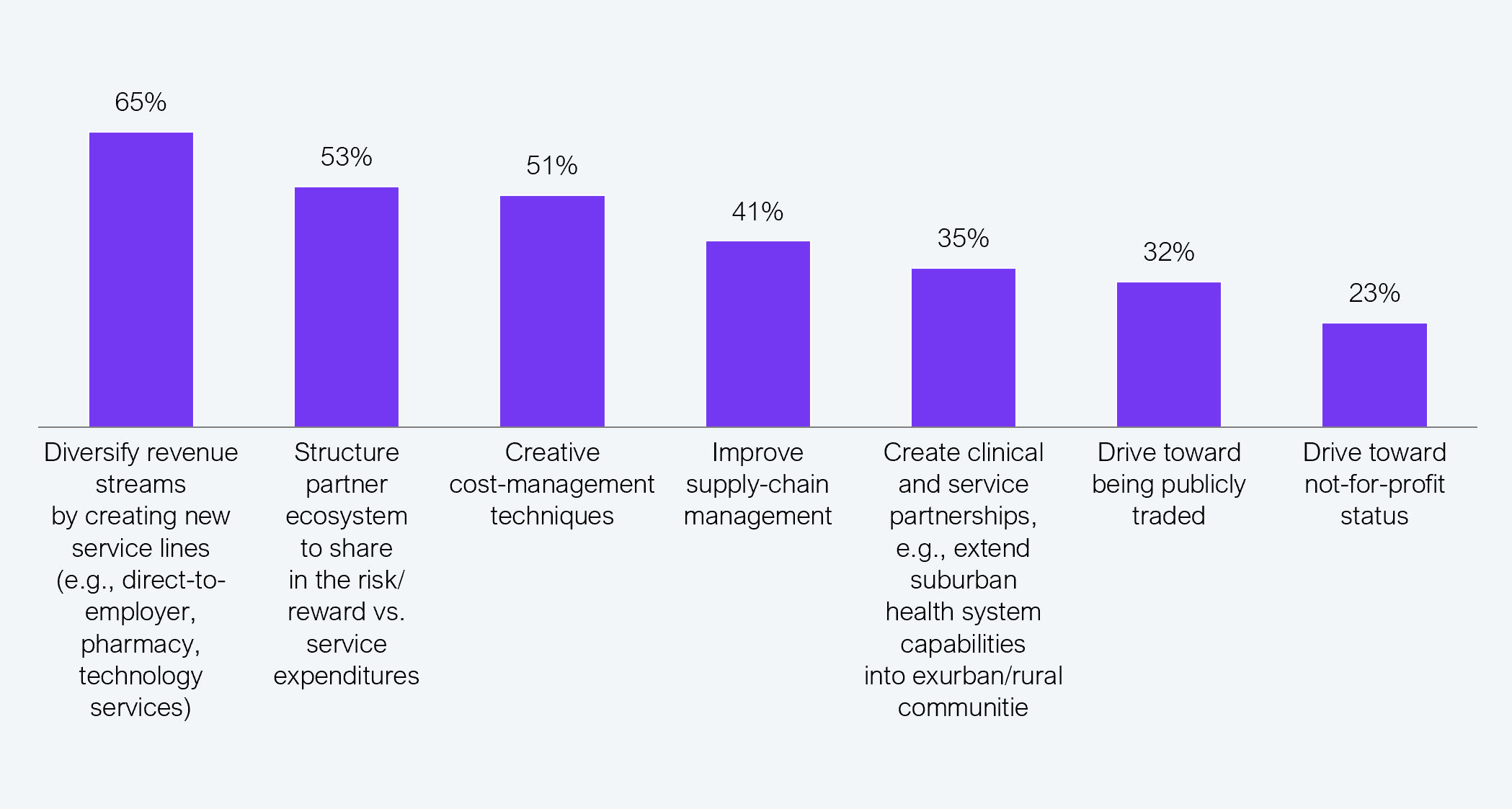
Sample: 152 US health systems and hospital CXO
Source: HFS Research in partnership with Cognizant, 2025
Health system consolidation isn’t just about doing more with less; it’s about achieving transformative operational excellence and strategic operational redesign, not simply cost reduction. Health systems realize that legacy approaches to managing cost drivers such as labor and fixed assets are no longer viable. They must reimagine their functional business processes and create new enterprise operating models and innovation infrastructures to develop environments that attract and retain talent (see Exhibit 11).
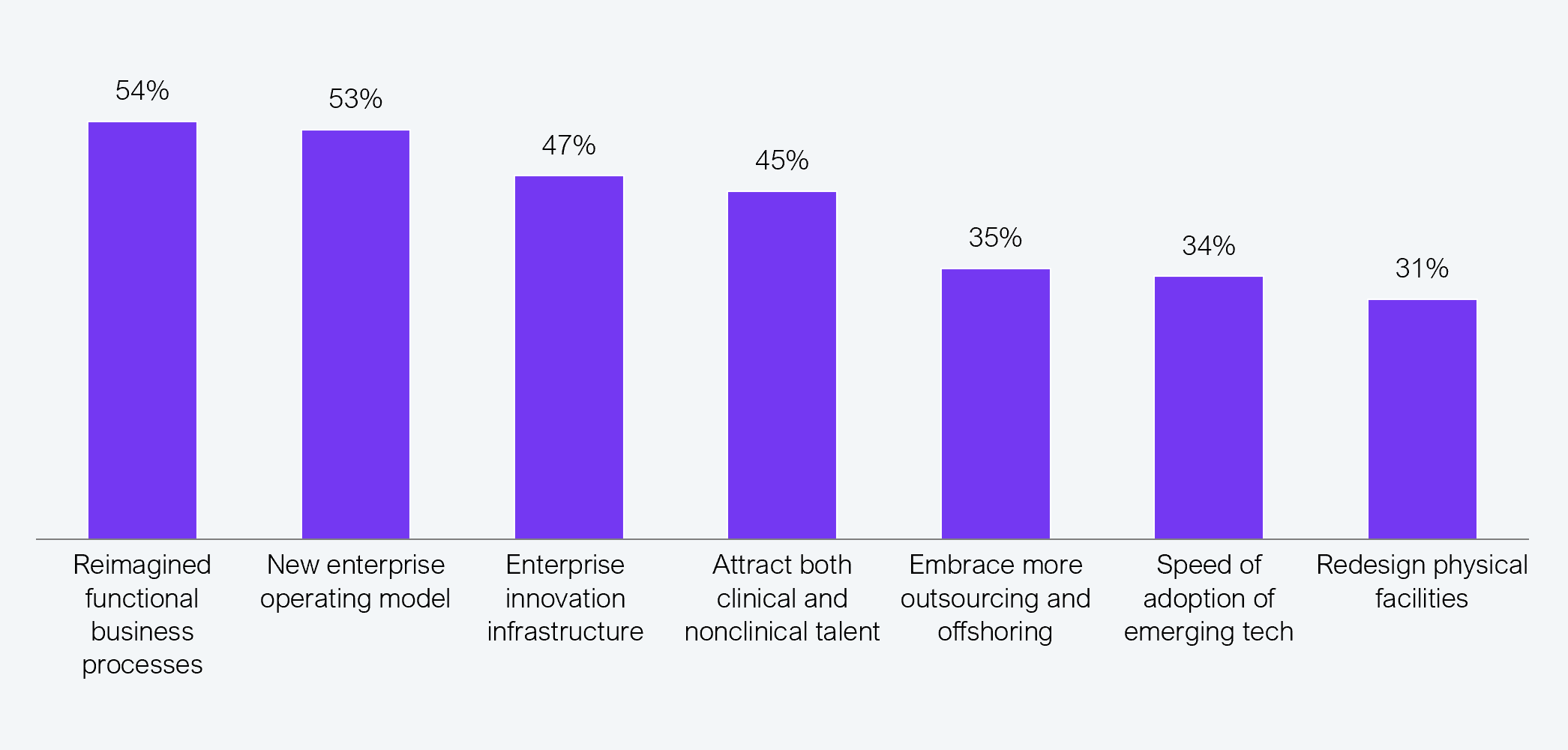
Sample: 152 US health systems and hospital CXO
Source: HFS Research in partnership with Cognizant, 2025
The care delivery value chain is based on reactive business. While this model is unlikely to change, the market is evolving regarding demand type, timing of care, and patient volumes. For example, since 2014, the number of urgent care centers has doubled from 7,000 to more than 14,000. This reflects the market’s value of convenience, costs, and reimbursements, while HFS Research estimates suggest urgent care utilization reduces emergency visits by approximately 17% to 20%.
As health systems merge horizontally, they can no longer depend on status quo strategies of getting more efficiency from fewer resources and economies of scale for financial success. Instead, health systems must proactively focus their choices on addressing market demand (disease, chronic conditions, etc.) and mode of delivery (telehealth, care at home, hybrid). This new focus will require reengineering the value chain in the new context of care activities, resource optimization, and outcomes, delivering these at sustainable margins. These reengineered value chains and operating models will be the foundations of successful future consolidations.
Vertical and horizontal health system integrations increasingly encompass multiple states, creating regional entities. Operating models, infrastructure, regulatory pressures, demographics, and institutional cultures must successfully adapt to support cross-regional needs. Thus, health systems must operate strategically as mature, large-scale organizations.
Health systems identified key components for this success, including enterprise-scale operations for shared services (HR, IT, finance, procurement), innovation frameworks, data governance, and a partner ecosystem (see Exhibit 12). Health systems can partner with service providers to leverage GCC across different operational strategies, including build-operate-transfer (BOT). GCCs can rapidly deploy solutions cost-effectively in a multi-geography setting to support health systems’ scale across regions.
Another important attribute for success is demonstrating a product or service mindset. Most health systems are already organized by specialization (primary care, neurology) or payer mix (Medicare, Medicaid). Still, they will need to layer on additional vectors such as care delivery (telehealth, at-home, in-patient), new market segments (self-insured employers), competition (digital health, retail primary care), and disruptive services (wearables, RPA).
The US Census Bureau predicts that by 2034, the US will have more older people than younger people, with six of 10 people having chronic diseases. The demand for health care will be driven by disease conditions and a once-in-a-nation’s lifetime demographic shift.
Health system leaders recognize that this radical shift in healthcare requires a roadmap with concrete deliverables (see Exhibit 12). There is broad recognition that the current (reactive) care delivery paradigm will fail to serve future needs. Healthcare interventions must better anticipate and accurately identify clinical needs through technologies (wearables, ingestibles, passive, AI-enhanced, etc.) that monitor, analyze, and create predictions for interventions before a care event occurs. These needs are highest in older populations and those battling chronic diseases.
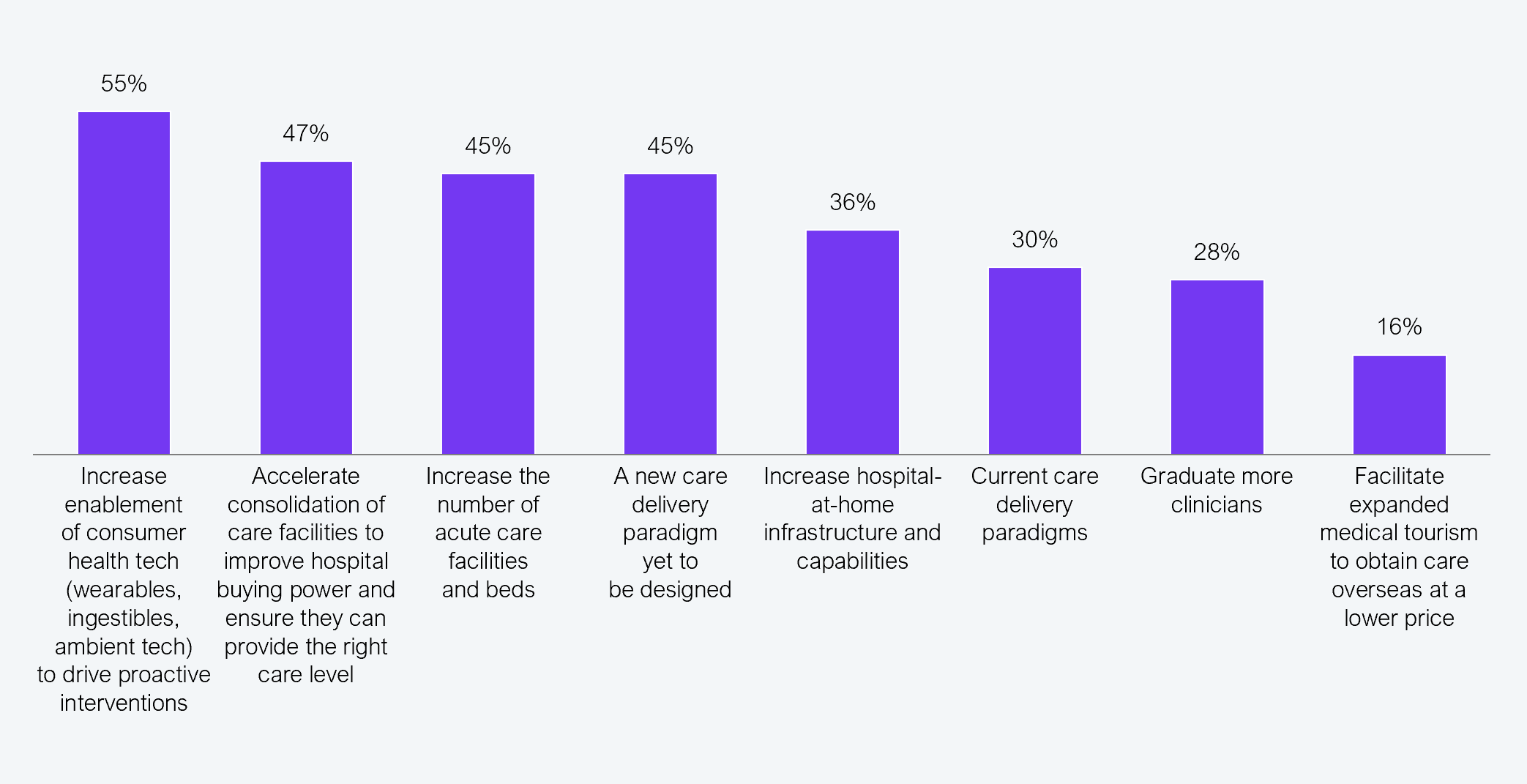
Sample: 152 US health systems and hospital CXO
Source: HFS Research in partnership with Cognizant, 2025
To support these innovations, health systems must consolidate to negotiate better terms with payers and propose improved reimbursements for innovation achievement. Health systems are beginning to recognize that while more acute care beds and facilities may be required, many of these needs can be met with hospital-at-home programs, allowing new acute care facilities to be smaller and more geographically dispersed. Additional sponsorship for geriatric-specialty clinical training programs is required to attract new clinicians to support these needs. Health systems must innovate now to meet the future more effectively and efficiently.
Technology will be a decisive lever driving the success of health system consolidation and vertical integration (see Exhibit 13). Intelligent, strategic technology deployments can augment clinical and administrative capacity, optimize operations, enhance diagnostics and clinical care, and meet consumers where they are. To enable that vision, health systems must deploy secure, compliant, and future-proof technology stacks (infrastructure, data, application), with artificial intelligence (AI) increasingly playing an essential role in these deployments.
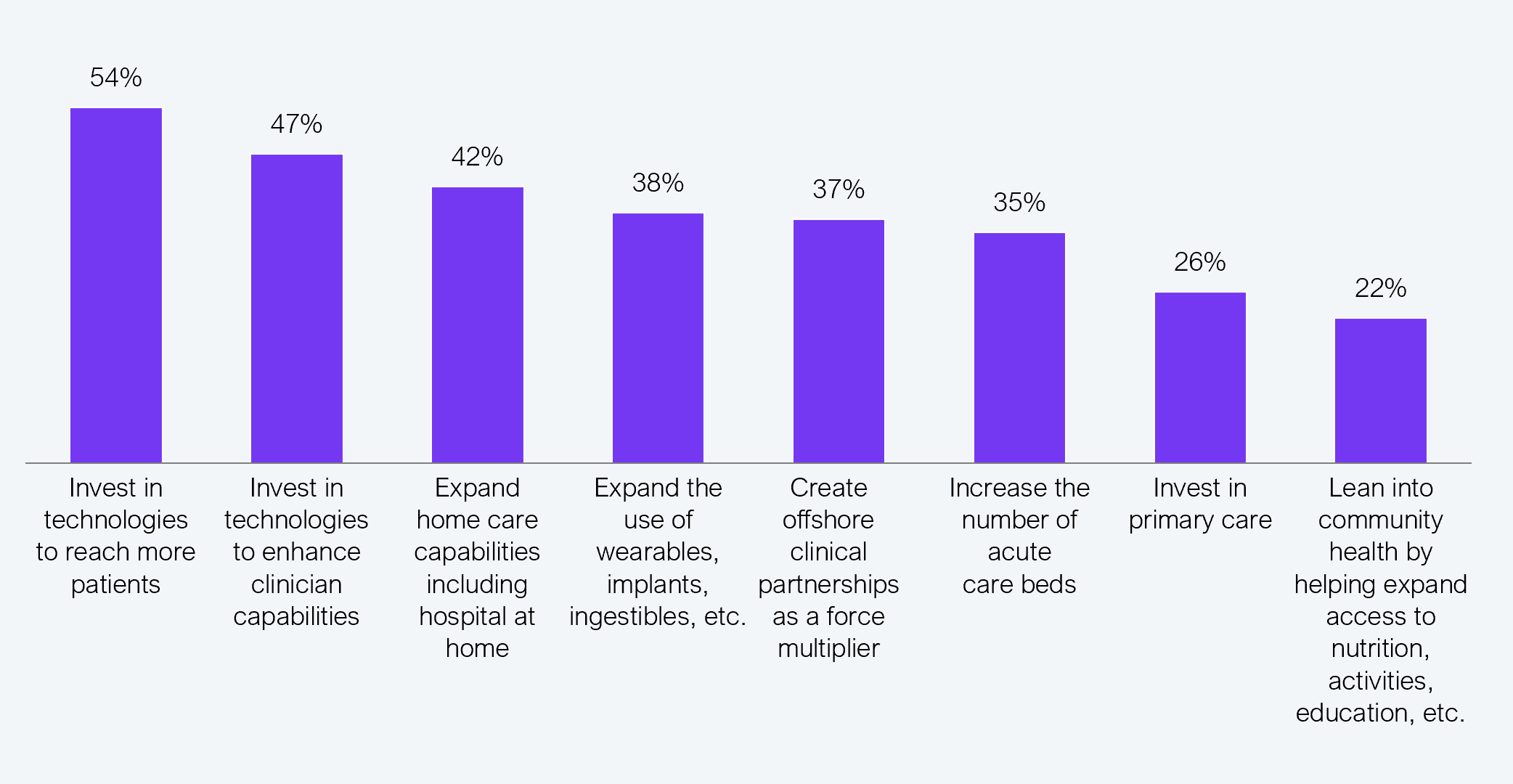
Sample: 152 US health systems and hospital CXOs
Source: HFS Research in partnership with Cognizant, 2025
Health system CXOs are highly enthusiastic about the role of technology in ambulatory and procedure-based clinical settings (see Exhibit 14). Healthcare first-movers have deployed AI tools for ambient listening and augmented diagnostics.
The staffing crisis in specializations such as radiology could force health systems to use AI as the primary diagnostic tool, with human intervention only necessary to review non-routine images.
We need to blow up the EHR and move to Siri for healthcare…ask it to pull up the patients last chemistry panel to check how they are responding to hypertension medicine…
— CEO of a Northeast US health system
Health systems are eager to adopt technologies, although concerns about accuracy and regulatory oversight remain. While legislation will eventually arrive, immediate implementations can benefit non-clinical applications. AI’s rapid and accurate data aggregation and presentation can serve as a “force multiplier,” enabling clinicians to focus on key clinical decisions and reducing administrative burden and burnout.
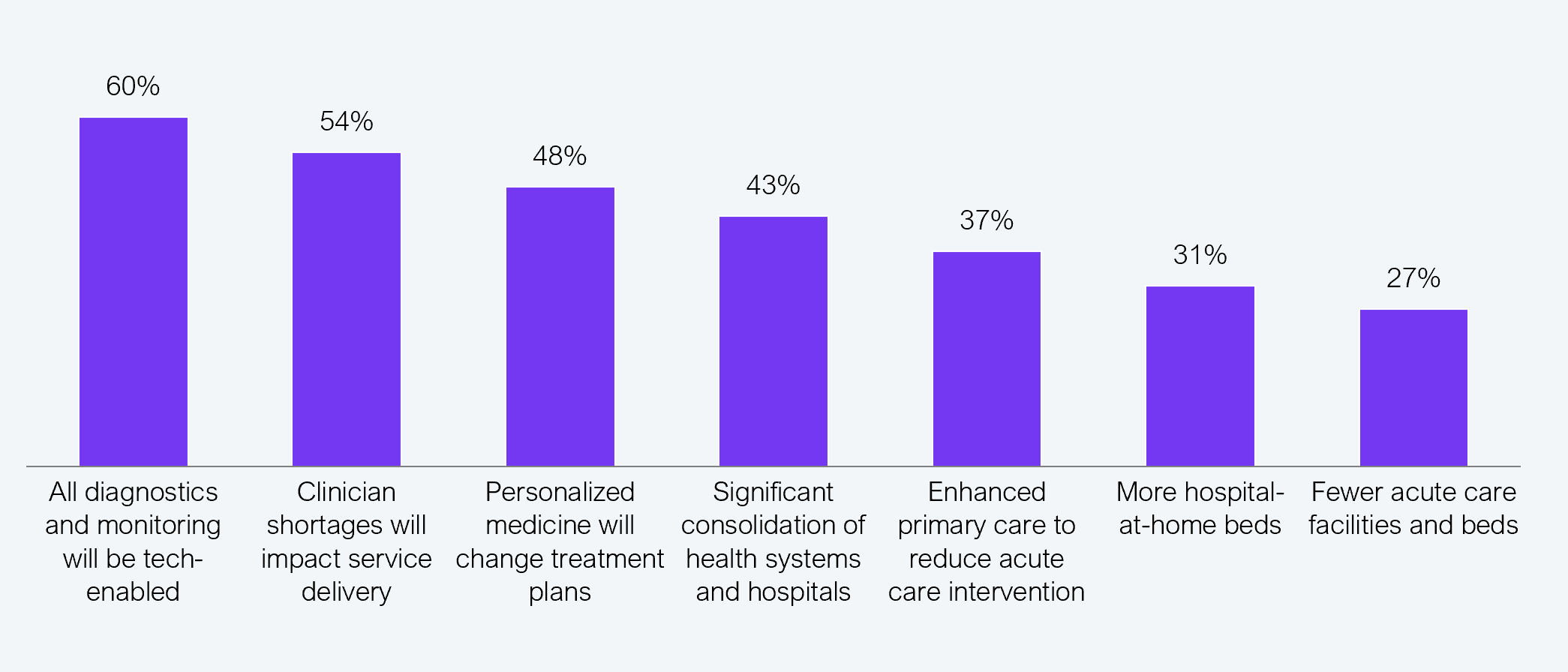
Sample: 152 US health systems and hospital CXOs
Source: HFS Research in partnership with Cognizant, 2025
Health systems have various opportunities to pursue across their operations, including optimizing operating room utilization, managing inventory to ensure the availability of the right supplies and quantities, and managing the workforce to optimize a constantly tightening supply of people resources. New automation and AI technologies offer opportunities for health systems to reimagine legacy challenges and operating models. These technologies give health system leaders more accurate, efficient, and cost-effective abilities to gather and manage data to improve health outcomes, expand access to care, and eliminate waste and administrative burdens. Technology can serve as the ultimate integrator as health system consolidations accelerate.
Regardless of payment models, healthcare is a volume business. It requires access to populations as much as patients need access to healthcare. Technology enables health systems to connect, communicate, and engage with populations with responsiveness and flexibility that meet evolving consumer expectations. Several technologies, including telehealth, have demonstrated how well they improve access to patients wherever they are. Remote patient monitoring enables patients with chronic conditions or needing post-acute care monitoring to receive care at home. Wearables and other technologies are reaching scale in the market and promise to expand these capabilities and their reach in affordable, accessible ways. As health systems expand through consolidation and vertical integration, technology will be critical in ensuring access grows with it effectively and efficiently.
Health systems are well-positioned to consolidate and vertically integrate over the next several years. However, to meet their growth business case, they must overcome near-term revenue and margin challenges and create a new consolidated operating playbook.
These key takeaways that are essential for health systems as they prepare to navigate the next 3 to 5 years:





Register now for immediate access of HFS' research, data and forward looking trends.
Get StartedIf you don't have an account, Register here |
With the exception of our Horizons reports, most of our research is available for free on our website. Sign up for a free account and start realizing the power of insights now.
Our premium subscription gives enterprise clients access to our complete library of proprietary research, direct access to our industry analysts, and other benefits.
Contact us at [email protected] for more information on premium access.