Highlight Report

Health plans must shift left to win for their members in the age of AI

This HFS Research Highlight is for health plan CIOs and operational leaders rethinking prior authorization, cost transparency, and the shift left toward prevention in the age of AI.

Health plan CIOs and operational leaders must take note that UHC and Optum are setting a template you can’t ignore. This template is a journey of simplification and transparency, purposeful AI enablement, and the openness to shift left (prevention vs. sickcare). The real manifestation of these themes into processes, products, and culture is a siren song for other health plans to emulate to meet the expectations of the consumers, employers, and regulators in the market and on the street, and remain viable as a business in an era of decreasing public funding, increased disease prevalence, and disintermediation of their value proposition.

Real-time PA decisions and cost transparency are just the start

US healthcare is complex and expensive, and it creates high barriers to value, among other issues. A routine patient–doctor encounter invariably requires prior authorization, a complex calculation of what the patient owes, including deductible, copay, and coinsurance, and what the providers get paid via contracts, adjustments, and modifiers. As funding shifts from government and commercial underwriting to employer underwriting, the expectations are shifting.

Health plans and health systems must pay attention to the combined efforts of UHC and Optum (see Exhibit 1), which are driving an option to emulate, and understand the ecosystem impacts to enable smarter navigation.
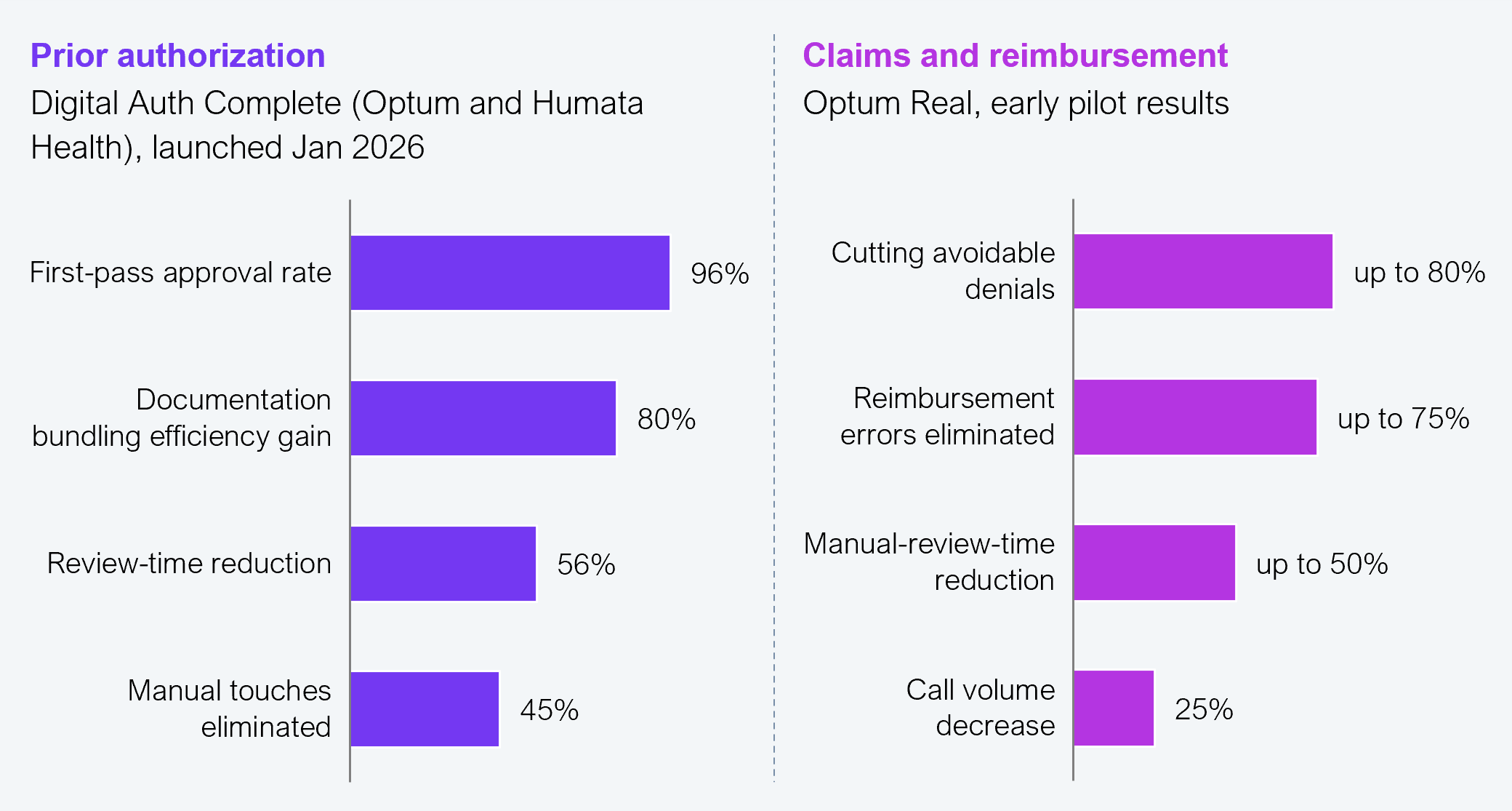
Exhibit 1: AI enablement can materially reduce friction

Two horizontal bar charts placed side by side, each showing percentage outcomes from AI-enabled processes. The left chart, titled Prior authorization, draws on Digital Auth Complete (Optum and Humata Health), launched January 2026, and shows four metrics from largest to smallest: first-pass approval rate at 96%, documentation bundling efficiency gain at 80%, review-time reduction at 56%, and manual touches eliminated at 45%. The right chart, titled Claims and reimbursement, draws on early pilot results from Optum Real and shows four metrics from largest to smallest: cutting avoidable denials up to 80%, reimbursement errors eliminated up to 75%, manual-review-time reduction up to 50%, and call volume decrease at 25%. Source: Optum, UHC, HFS Research, 2026.

Source: Optum, UHC, HFS Research, 2026

  • Publishing prior authorization (PA) performance data builds trust through transparency. However, regulation CMS-0057-F mandates posting PA performance, so UHC’s level of online visibility and commitment to publishing pharmacy prior-auth metrics the same way will drive change in how payers address PA.
  • Reducing and standardizing prior authorizations meets a growing expectation. UHC plans to cut outpatient prior authorizations and achieve 80% real-time decisions by 2027 as it builds industry-wide coalitions to standardize prior-auth requirements, making the process simpler and consistent across the system.
  • Digitizing clinical workflows with AI removes back-and-forth friction for clinicians and patients. Tools like Optum Real and PreCheck Prior Authorization can automatically extract required data and deliver near-instant approvals, such as reducing the median drug approval time to under 30 seconds.
  • Giving members visibility into cost, quality, and trade-offs puts informed decisions in their hands. Products like Avery and Optum Rx Price Edge that give members visibility at the point of decision empower them to make informed choices.
  • Building transparent AI governance keeps clinicians in final decision authority while acknowledging accountability. Clinicians retain final decision authority with touchless approvals and denials that escalate to human review, with openly stated model-application oversight and acknowledgment of lawsuits and political scrutiny paired with a commitment to accountability.
Deliver healthcare Services-as-Software™

Optum has developed a suite of AI-enabled, workflow-native products addressing all its healthcare stakeholders: members through Avery, employers through Surest, providers and health systems through Value Connect and Digital Auth Complete, and health plans through Optum Real and InterQual Auth Accelerator.

The impact of consumer-facing tool Avery is much more tangible in real time than that of other B2B tools. Consider Sarah (a fictional character), who has injured her shoulder and is seeking help. So, she opens Avery on her phone and simply asks it about the injury and potential costs. Avery finds the right specialist, shows her the cost up front, secures her referral, and calls the orthopedics office to book it while she makes dinner. Sarah can then leverage Surest, a copay-only health plan with no deductibles or coinsurance; it shows members the full cost of care up front and steers them toward higher-quality, efficient providers. Care managers and value-based providers can leverage Value Connect, which combines clinical, social, and risk data to spotlight gaps in care and prioritize high-risk patients, to drive actionable next steps, including scheduling, arranging transportation, and targeted whole-person support.

These tools are built to eliminate friction, provide cost transparency, and improve health outcomes. The early value proposition of each of these tools suggests that the potential of AI enablement can be meaningful and durable for health plans that embrace AI.

Shifting left is the real strategic imperative

Addressing the inefficiencies across the healthcare ecosystem is table stakes, and enterprises must not celebrate reducing friction or simplifying access to care. Instead, they must build toward shifting left (see Exhibit 2). This is the strategic pivot that is long overdue to achieve durable, higher margins.
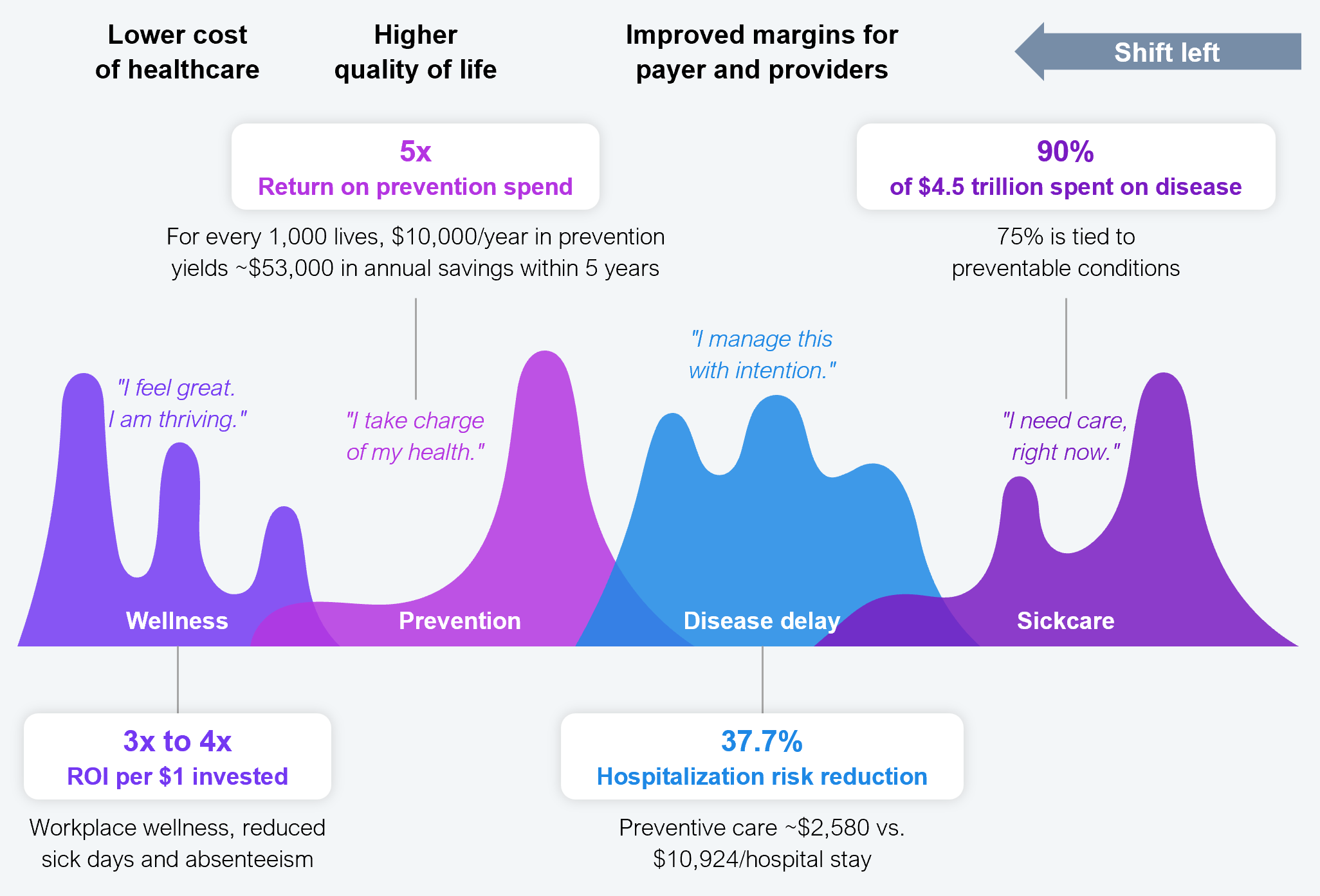
Exhibit 2: Shifting left delivers higher, more durable margins than efficiency gains alone

A four-stage continuum diagram running across the healthcare spectrum, with a Shift left arrow pointing left and a banner naming three outcomes of shifting left: lower cost of healthcare, higher quality of life, and improved margins for payer and providers. The four stages, shown left to right, are Wellness, Prevention, Disease delay, and Sickcare, each paired with a member quote and a supporting statistic. Wellness, with the quote “I feel great, I am thriving”, delivers a 3X to 4X return on investment per $1 invested in workplace wellness through reduced sick days and absenteeism. Prevention, with the quote “I take charge of my health”, delivers a 5X return on prevention spend, where for every 1,000 lives, $10,000 per year in prevention yields about $53,000 in annual savings within 5 years. Disease delay, with the quote “I manage this with intention”, delivers a 37.7% reduction in hospitalization risk, with preventive care costing about $2,580 versus $10,924 per hospital stay. Sickcare, with the quote “I need care, right now”, carries a 90% figure against the $4.5 trillion spent on disease, of which 75% is tied to preventable conditions. Source: CDC, NIH, TFAH, HFS Research, 2026.

Source: CDC, NIH, TFAH, HFS Research, 2026

Health plans must recognize that AI is a catalyst for reimagination, not just another technology to bolt on to solve old inefficiencies and create new ones. They must leverage it to reframe their value proposition fundamentally. They must rethink their role from fiduciary administrators to enablers of wellness, from compliance managers to drivers of better health outcomes, and from network limiters to network expanders. Still, the shift left is not without risk, and health plans must build the clinical data infrastructure and provider partnerships to make it real.

The Bottom Line: Address the inefficiencies as table stakes, but shift left to create a durable value proposition.

UHC and Optum are making significant investments in AI to enable simplification and transparency, and, in the process, setting the stage for the potential to shift left. Health plans must take note and begin charting this path now, given the narrow window to lead.

Sign in to view or download this research.

Login

Register

Insight. Inspiration. Impact.

Register now for immediate access of HFS' research, data and forward looking trends.

Get Started

Download Research

    Sign In

    Sign up for a free
    research account

    With the exception of our Horizons reports, most of our research is available for free on our website. Sign up for a free account and start realizing the power of insights now.

    Digests/Newsletters: Overviews of the latest news, insight, and research by HFS.

    HFS Events: Exclusive invitations to HFS webinars, roundtables, and summits, bringing together key industry stakeholders focused on major innovations impacting business operations.

    By registering you agree to our privacy policy.

    I hereby consent that HFS Research can process my personal data.

    Premium Access

    Our premium subscription gives enterprise clients access to our complete library of proprietary research, direct access to our industry analysts, and other benefits.

    Contact us at [email protected] for more information on premium access.

    Help

    If you are looking for help getting in touch with someone from HFS, please click the chat button to the bottom right of your screen to start a conversation with a member of our team.

    [email protected]

      Contact Ask HFS AI Support