Enterprise Asset

Operational Playbook: Care delivery CIOs must move the front office to autonomous and agentic

This enterprise asset is for care delivery CIOs, CMIOs, and COOs moving front-office operations from digitization to agentic AI.

This Functional Diagnostic Tool and Operational Playbook is designed for CIOs at care delivery organizations, including health systems, hospitals, and ambulatory surgery centers seeking to modernize front-office operations through agentic AI to address administrative burden, clinician burnout, revenue leakage, and patient access gaps.

It tells them where they stand by scoring each front-office workflow on a 1–5 maturity scale, weighing them by cost and patient-leakage impact, and rolling the results into a single 0–100 index. The output identifies the workflows that create the greatest operational and financial pressure and shows where action should begin.

The playbook also tells CIOs what to do about it. It lays out a staged, three-step path, digitization, automation, and agentic AI, with specific actions, owners, and exit gates for each step, helping their organizations improve front-office maturity in stages rather than attempting a large-scale shift in one program.

This playbook’s approach should reduce front-office labor for routine work by 30% to 50%, cut routine call volume by 40% to 60%, and return four to six clinician hours per week within 12–18 months, while maintaining HIPAA and state privacy compliance.

HFS Playbooks are practical guides to solving key enterprise challenges that consume significant costs, time, and resources. They give enterprise leaders an evidence-based baseline of where they stand today and turn that into a realistic, staged roadmap with specific “to-dos” so they can reduce operational pressure and focus resources on higher-value priorities.

The problem: Healthcare front offices remain the largest source of administrative waste

Healthcare delivery organizations in the US continue to face operational pressure due to structural forces across reimbursement, workforce availability, and patient expectations. Reimbursement is tightening as payers expand denials and utilization review, front-office roles are among the hardest to fill and retain, and patients now expect the on-demand digital service they get from retail and banking.

These forces have pushed every care delivery enterprise to align with the Quadruple Aim: improving health outcomes, reducing the cost of care, enhancing patient experience, and ensuring health equity. Front-office performance directly affects all four dimensions. When patients drop out before receiving care, outcomes suffer. Denials increase costs. Poor access damages the patient experience. And language barriers deepen inequity. A front-office program focused only on headcount reduction may lower cost but could worsen access, experience, clinician workload, or equity.

Administrative work accounts for 20%–40% of hospital operating costs. Front-office work (includes scheduling, registration, intake, eligibility, and patient communication) is the most labor-intensive and patient-facing slice of that spend. CAQH 2025 statistics show that although automation already saves US healthcare an estimated $258 billion a year in administrative costs, roughly $21 billion is still tied to such manual or partially manual activities.

The front-desk model remains expensive because every handoff creates additional work, while denials, no-shows, and patient leakage reduce revenue. For a 1,000-bed system handling roughly one million encounters a year, front-office labor runs an estimated $25 million–$40 million annually. A staged agentic build can reduce this by 30%–50%. Exhibit 1 maps where that cost is concentrated in the front-office value chain, highlighting the hotspots this playbook targets first.
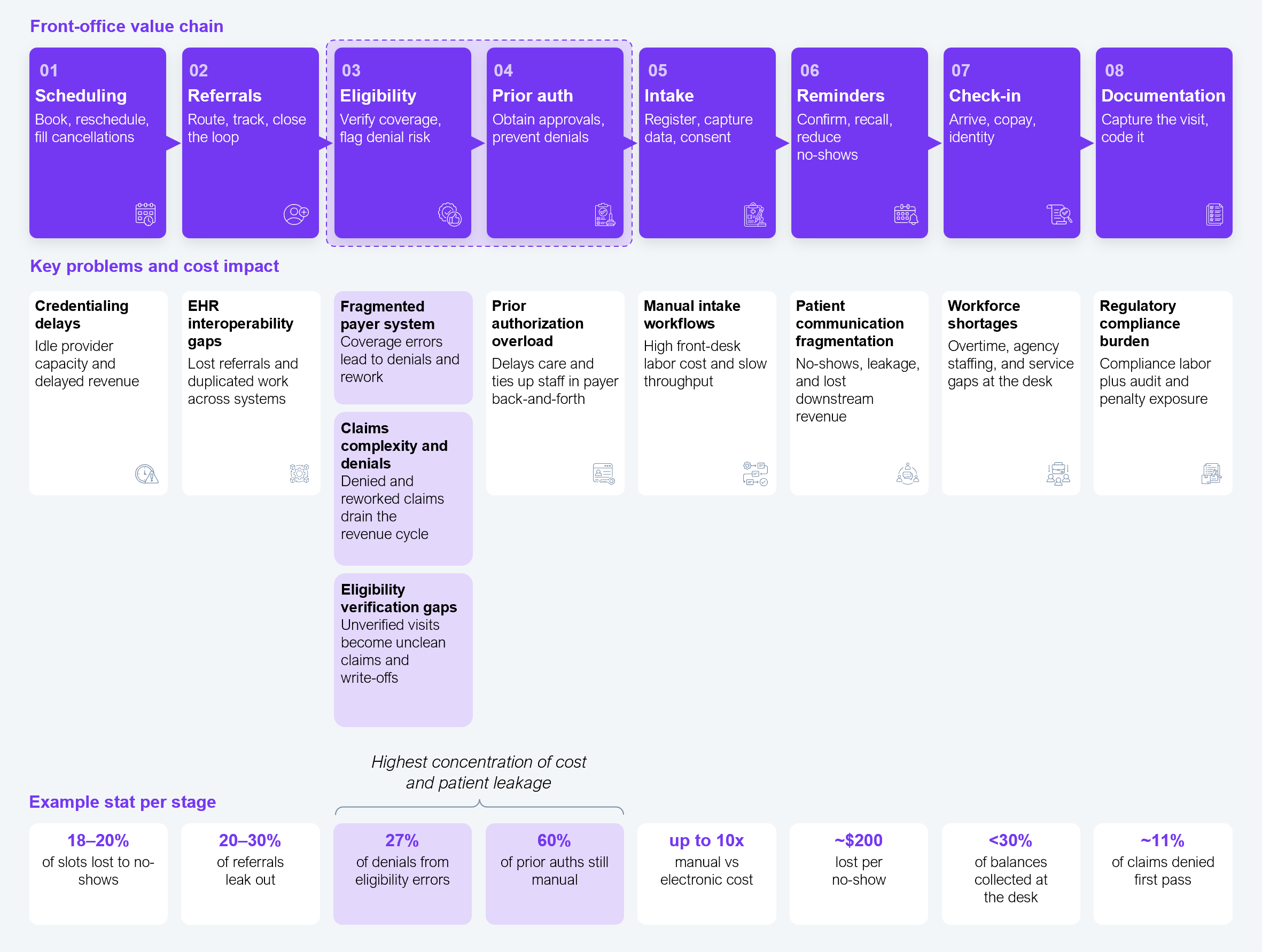
Exhibit 1: Eligibility and prior authorization account for the greatest concentration of front-office cost and patient leakage

Eligibility and prior authorization account for the greatest concentration of front-office cost and patient leakage Three-tier horizontal process diagram mapping the eight-stage healthcare front-office value chain. The top tier lists the stages in sequence: 01 Scheduling (book, reschedule, fill cancellations), 02 Referrals (route, track, close the loop), 03 Eligibility (verify coverage, flag denial risk), 04 Prior auth (obtain approvals, prevent denials), 05 Intake (register, capture data, consent), 06 Reminders (confirm, recall, reduce no-shows), 07 Check-in (arrive, copay, identity), and 08 Documentation (capture the visit, code it). The middle tier gives the key problem and cost impact for each stage: credentialing delays create idle provider capacity and delayed revenue; EHR interoperability gaps cause lost referrals and duplicated work across systems; a fragmented payer system, claims complexity and denials, and eligibility verification gaps drive coverage errors, reworked claims, and write-offs; prior authorization overload delays care and ties up staff in payer back-and-forth; manual intake workflows raise front-desk labor cost and slow throughput; patient communication fragmentation produces no-shows, leakage, and lost downstream revenue; workforce shortages force overtime, agency staffing, and service gaps at the desk; and the regulatory compliance burden adds compliance labor plus audit and penalty exposure. The bottom tier gives one example statistic per stage: 18%–20% of slots lost to no-shows, 20%–30% of referrals leak out, 27% of denials from eligibility errors, 60% of prior auths still manual, up to 10x manual versus electronic cost, approximately $200 lost per no-show, under 30% of balances collected at the desk, and approximately 11% of claims denied first pass. A bracket beneath the eligibility and prior authorization columns labels them the highest concentration of cost and patient leakage. Source: HFS Research, 2026.

Source: HFS Research, AHA, CAQH

The real issue is not the lack of technology. Most healthcare organizations have already invested in electronic health records (EHRs), patient portals, and digital intake tools. The problem is that these tools were layered on top of manual processes without changing how work gets done. In many cases, healthcare organizations have digitized the chaos but did not eliminate it.

As a result, most providers today operate at Level 1 (digitization) or Level 2 (automation), which are the early stages of digital transformation. Fully electronic adoption of core front-office transactions remains at 40% for prior authorization and 24% for claim attachments, reflecting a continued reliance on manual or rules-based processes. While technology speeds up manual work, it doesn’t remove it. Front-office staff still perform scheduling, intake, eligibility checks, and patient communication, even when systems exist to support these functions. This results in an ongoing administrative burden, high staffing costs, and fragmented operations.

In Level 3, autonomous agents handle routine interactions end to end, while staff focus on oversight and exceptions. The operating model shifts toward proactive, continuous patient engagement, changing who performs the work and how exceptions are handled rather than simply automating individual tasks. This leads to reduced wait times, rework, and patient drop-off, creating benefits across all four aims. However, achieving a mature Level 3 operating model requires structural change, redesigning workflows rather than simply replacing staff activity through technology, making it rare in most healthcare enterprises.

This report addresses these problems in two parts. The first presents a diagnostic that scores the severity workflow by workflow across the front-office value chain. The second provides a playbook that lays out a staged execution path to close the gaps that the diagnostic surfaces.

The diagnostic: Score your front office to find where to start

Before any investment is made, the diagnostic assesses where each front-office workflow stands today and have the greatest impact on cost, access, patient experience, and clinician workload. It scores every workflow on a 1–5 maturity scale, each weighted by cost and patient-leakage impact, and rolls the result into a single 0–100 index. The objective is to create a quick, evidence-based baseline for investment and vendor decisions. CIOs can use the score to choose where to begin, build an investment case with the CFO and COO, and track maturity quarterly.

Not every workflow carries equal weight. Strong performance in lower-impact workflows such as reminders cannot offset weaknesses in eligibility, prior authorization, or documentation, which is why each one carries its own cost-and-leakage weighting. Cost and patient leakage form the basis of the index as they can be measured cleanly. However, the operational gaps the diagnostic identifies affect all four aims simultaneously. The highest-priority workflows are those that affect cost, access, experience, and clinician workload.

Most CIOs know their front office is underperforming. What they can’t say is by how much or where. Exhibit 2 provides that view: eight workflows that are each scored on a 1–5 maturity scale based on the cost and denial risk they carry and then rolled into one number out of 100. Teams that assess themselves honestly most land below 40, indicating Level 1 or Level 2 maturity across the front office. The maturity gap may be substantial, but it can be addressed workflow by workflow.

Exhibit 2: Most care delivery enterprises score below 40 on this diagnostic

The weighted diagnostic: Each workflow should be scored on 1 to 5 and then weighted by cost and leakage

Score 1 to 5
1 Digitized, manual
2 Early automation
3 Rules-based automation
4 Agent-assisted
5 Autonomous agents
Front-office workflow Weight Why it carries this weight Your score Index points
Weighted index 100% Sum of (your score × weight),
then multiply by 20
20 to 100
Your weighted index
Maturity band
Score every workflow to calculate
Complete the diagnostic below
20406080100

Source: HFS Research, 2026

The composite score determines which step to begin with in the playbook

The difference between the highest and lowest-scoring workflows shows where improvement is most urgent. A score only helps if it tells you what to do next.

Exhibit 3 maps the composite score to a recommended starting point. Organizations scoring 20–44 should begin with step 1. Those scoring 45–64 should run Step 1 on the weakest workflow and move to Step 2 on the strongest. Organizations scoring 65 and above can move to Step 3 in the two or three workflows (agentic deployment) with the greatest returns. For example, an organization scoring 38 should strengthen its foundations, while one that scored 72 can begin deploying agents in selected workflows. The score gives leadership a common basis for deciding where to begin.
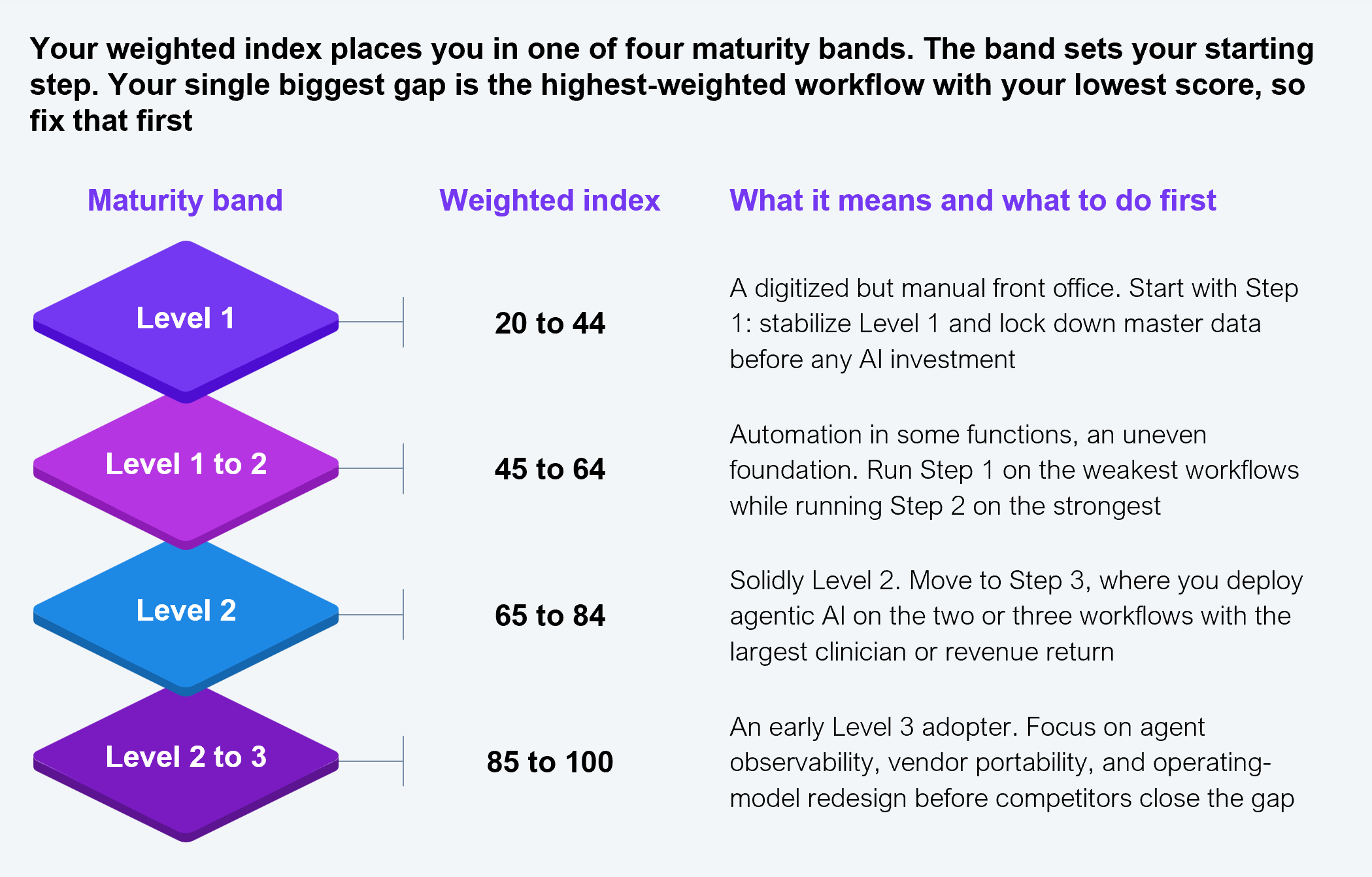
Exhibit 3: Your maturity band determines which step to start with

Your maturity band determines which step to start with Four-row comparison table mapping the diagnostic composite score to a recommended starting step. Columns are maturity band, weighted index, and what it means and what to do first. Level 1 covers a weighted index of 20 to 44, described as a digitized but manual front office that should start with Step 1, stabilizing Level 1 and locking down master data before any AI investment. Level 1 to 2 covers 45 to 64, described as automation in some functions on an uneven foundation, running Step 1 on the weakest workflows while running Step 2 on the strongest. Level 2 covers 65 to 84, described as solidly Level 2 and ready to move to Step 3, deploying agentic AI on the two or three workflows with the largest clinician or revenue return. Level 2 to 3 covers 85 to 100, described as an early Level 3 adopter that should focus on agent observability, vendor portability, and operating-model redesign before competitors close the gap. Source: HFS Research, 2026.

Source: HFS Research, 2026

Read borderline and mixed scores with caution and resolve them at the function level

Scores near a band boundary require additional review because the composite score can hide large differences between workflows. A 42 or a 67, for example, sits close enough to a boundary to be ambiguous. An organization with a few functions at level 3 and others still at level 1 can fall into the Step 2 band while urgently needing Step 1 for its lowest-maturity workflows.

Organizations should apply three rules when interpreting borderline or mixed scores:

  • For a borderline composite (within about five points of a boundary), start in the lower band. Move to the next band only if the score is sustained or improves during the next quarterly assessment
  • When the highest and lowest function scores sit more than two Levels apart, ignore the composite and assign a step per function. Any function at 1 or 2 goes into Step 1 immediately, functions at 3 go into Step 2, and functions at Level 4 or 5 qualify for Step 3 only when they have a stable Level 2 foundation.
  • Run these tracks in parallel but maintain one rule: do not invest in Step 3 for any function until its Step 1 and Step 2 gates are complete, regardless of the composite score.

Two diagnostic patterns to watch for

Pattern 1 – the L2 illusion: The composite score is 26–30, but two or three functions are still at Level 1. The risk is that leadership may believe the front office is automated, while a handful of broken foundations still drive most of the cost.

Fix: Apply Step 1 only to the Level 1 functions before moving the organization to Step 3.

Pattern 2 – Pilot lift, production drag: The composite score is inflated by high-performing pilots that have not been scaled. The risk is that leadership may assume that pilot performance reflects organization-wide maturity when it does not, and Step 3 investment is directed toward workflows whose foundations cannot support it.

Fix: Score only the capabilities that are deployed across the organization and then rerun the diagnostic as each pilot moves into full production.

What to do with your score

  • Take it to the CFO and the COO. A scored baseline provides the CFO and COO with a clearer view of the required investment and the expected operational return.
  • Re-run the diagnostic quarterly. Adoption and performance can decline when workflows are not actively managed.
  • Use the per-function scores to challenge vendors. If a vendor proposes a Level 3 solution for a function still at Level 1 or 2, challenge whether the underlying data and workflow foundations are ready.
  • Make the score visible to clinicians. Front-line validation reduces the risk of overstating maturity and investing too early.
The Playbook: Move the front office from Level 1 or Level 2 to Level 3

Benefits: Better access, higher efficiency, and more clinician time

Agentic AI removes routine work from the front office rather than simply helping staff complete it faster. This playbook turns that shift into three objectives, stated upfront so every step can be judged against them: better access, lower cost, and more clinician time. Delivered together, these changes can improve front-office cost, capacity, access, and revenue performance. The benefits below are organized around these three objectives.

Benefit 1

Better patient access and experience

  • 20%–40% lesser no-shows and fewer lost patients through smart reminders, recall, and waitlist management
  • 24/7 multilingual self-service that reduces dependence on traditional call-center hours
  • Faster appointments as AI agents identify cancellations and offer available slots to waiting patients

Benefit 2

Lower cost and stronger revenue

  • Lower staffing demand for routine work as AI agents take on scheduling, intake, eligibility, and
    common patient queries
  • Higher clean-claim rates through real-time eligibility checks
  • Lower call volume as an AI front door answers routine questions (40%–60% lower routine call volume)
  • Faster collections through copay collection at intake and early coverage checks

Benefit 3

More clinician time and stronger retention

  • Clinician time on direct patient care increases by four to six hours per week.
  • Front-desk staffing requirement for routine work falls by 30% to 50%.
  • Routine call-center volume falls by (40%–60% lower routine call volume)
  • Patient self-service is available 24/7 in multiple languages.

The solution: Move from digitization to agentic AI in three stages

As discussed in the previous sections, most healthcare organizations own Level 1 and Level 2 tools but continue to operate with Level 1 capabilities. Here’s a rundown on how the transformation progresses typically through the three maturity levels:

  • Level 1: Digitization (digital tools, manual execution)
    Organizations have EHRs, patient portals, and kiosks, but staff execute every step. This reduces paper but often delivers limited productivity gains because staff still execute each step.
  • Level 2: Automation (rules-based, workflow-driven efficiency)
    Systems handle routine tasks through RPA, automated scheduling, and eligibility APIs. Staff manages exceptions. This improves speed but remains reactive.
  • Level 3: Agentic AI (autonomous, proactive, outcome-driven operations)
    AI agents act end-to-end with minimal human intervention. Staff supervise and step in only when needed. This shifts the operating model from staff-led execution to staff oversight and exception handling.

The transformation needed is not mainly about buying technology but about redesigning operations and executing in stages. Exhibit 4 compares those capabilities at each maturity level.
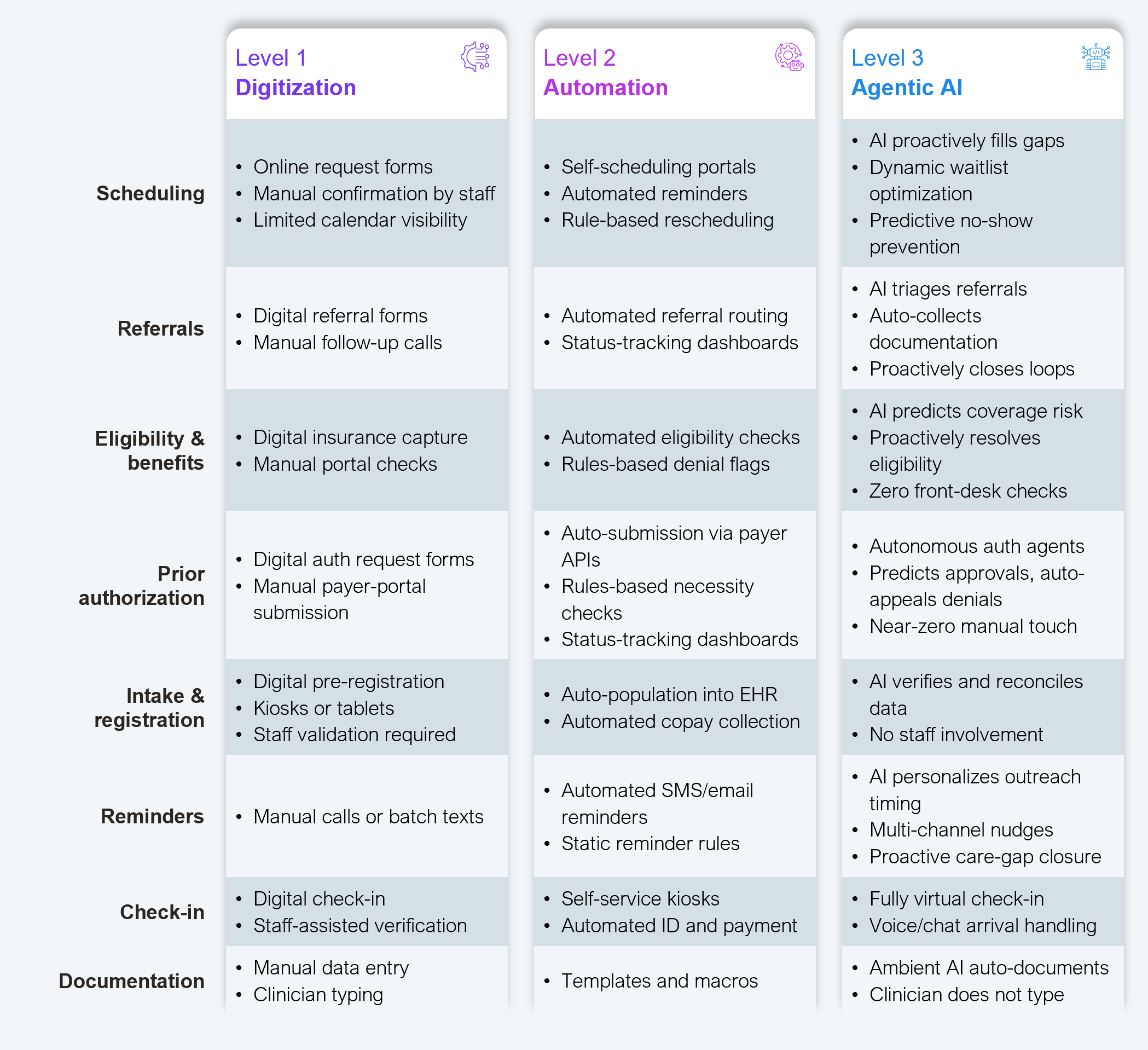
Exhibit 4: Front-office functions mature at different rates, creating clear priorities for investment

Front-office functions mature at different rates, creating clear priorities for investment Capability comparison table with eight function rows and three maturity columns: Level 1 digitization, Level 2 automation, and Level 3 agentic AI. Appointment scheduling moves from online request forms, manual confirmation by staff, and limited calendar visibility, to self-scheduling portals, automated reminders, and rule-based rescheduling, to AI proactively filling gaps, dynamic waitlist optimization, and predictive no-show prevention. Referrals move from digital referral forms and manual follow-up calls, to automated referral routing and status-tracking dashboards, to AI triaging referrals, auto-collecting documentation, and proactively closing referral loops. Eligibility and benefits move from digital insurance capture and manual portal checks, to automated eligibility checks and rules-based denial flags, to AI predicting coverage risk, proactively resolving eligibility, and zero front-desk checks. Patient intake moves from digital pre-registration, kiosks or tablets, and required staff validation, to auto-population into the EHR and automated copay collection, to AI verifying and reconciling data with no staff involvement. Reminders move from manual calls or batch texts, to automated SMS and email reminders with static reminder rules, to AI personalizing outreach timing, multi-channel nudges, and proactive care-gap closure. Check-in and registration move from digital check-in and staff-assisted verification, to self-service kiosks and automated ID and payment, to fully virtual check-in and voice or chat-based arrival handling. Documentation moves from manual data entry and clinician typing, to templates and macros, to ambient AI auto-documenting so the clinician does not type. The front-office operating model moves from a staff-heavy model that still requires a front desk, to a leaner front office with exception-driven staffing, to a near-zero front office running a concierge or virtual model. Source: HFS Research, 2026.

Source: HFS Research, 2026

The three steps

This playbook outlines a staged approach to making agentic AI work across front-office functions within 12–18 months, helping organizations reduce administrative costs, improve patient access, and protect clinician time.

The first step is to identify the two or three functions with the largest gap between available tools and actual operating maturity. Close those gaps first rather than attempting to move every function to Level 3 at once. These functions should be prioritized during the first six months because they present a large maturity gap and have measurable operational impact. The transformation runs in three steps, one per maturity Level.

The gates are sequential per workflow, but the steps run in parallel across workflows. Step 1 is the foundation. Step 2 scales rules-based automation across selected workflows. Step 3 enables autonomous AI agents only when Steps 1 and 2 are already solid. The maturity band from Exhibit 3 sets which step you enter first. Each step has clear entry criteria, concrete actions, and a measurable exit gate, as outlined here:

  • Step 1: Stabilize Level 1. Fix the data, intake, and identity foundations that every later AI deployment depends on.
  • Step 2: Industrialize Level 2. Put rules-based automation in production on the two or three highest-volume workflows.
  • Step 3: Deploy Level 3. Turn on autonomous AI agents where Level 2 is stable and has the highest potential operational value.

Skipping data and workflow preparation is often the reason why agentic AI deployments underperform. Weak data and unstable workflows increase error rates and can erode patient and clinician trust. Establishing the data and automation foundations before deploying autonomous agents is therefore essential. Exhibit 5 shows the three steps in a single sequence.
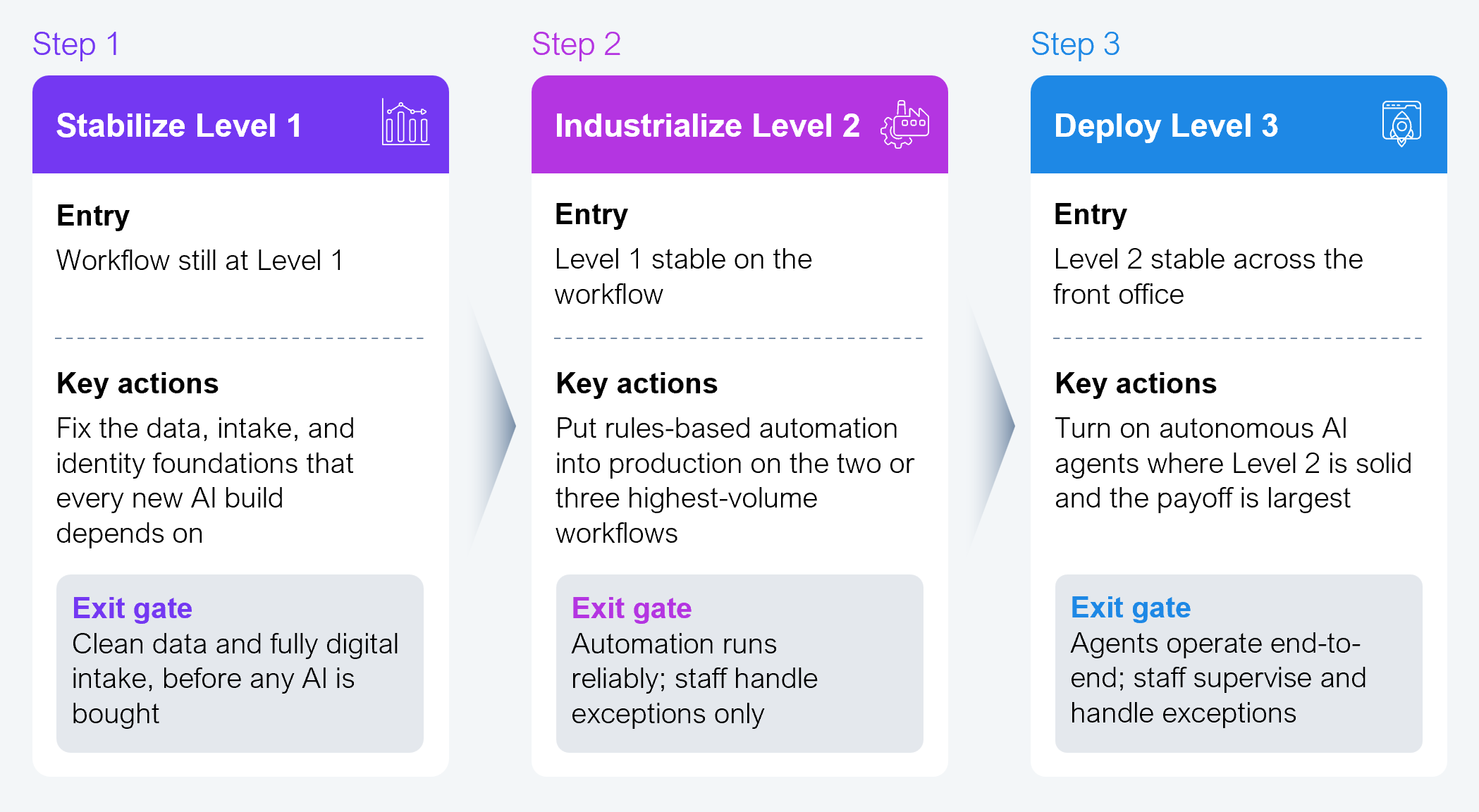
Exhibit 5: The three-step path from digitization to agentic AI

The three-step path from digitization to agentic AI Three-stage process diagram, left to right, with each stage showing entry criteria, key actions, and an exit gate. Step 1, stabilize Level 1: entry is a workflow still at Level 1, key actions are fixing the data, intake, and identity foundations every later AI build depends on, and the exit gate is clean data and fully digital intake before any AI is bought. Step 2, industrialize Level 2: entry is Level 1 stable on the workflow, key actions are putting rules-based automation into production on the two or three highest-volume workflows, and the exit gate is automation running reliably with staff handling exceptions only. Step 3, deploy Level 3: entry is Level 2 stable across the front office, key actions are turning on autonomous AI agents where Level 2 is solid and the payoff is largest, and the exit gate is agents operating end to end with staff supervising and handling exceptions. Arrows between the stages show the sequence is gated per workflow. Source: HFS Research, 2026.

Source: HFS Research, 2026

Step 1: Stabilize Level 1 by fixing the basics before adding AI

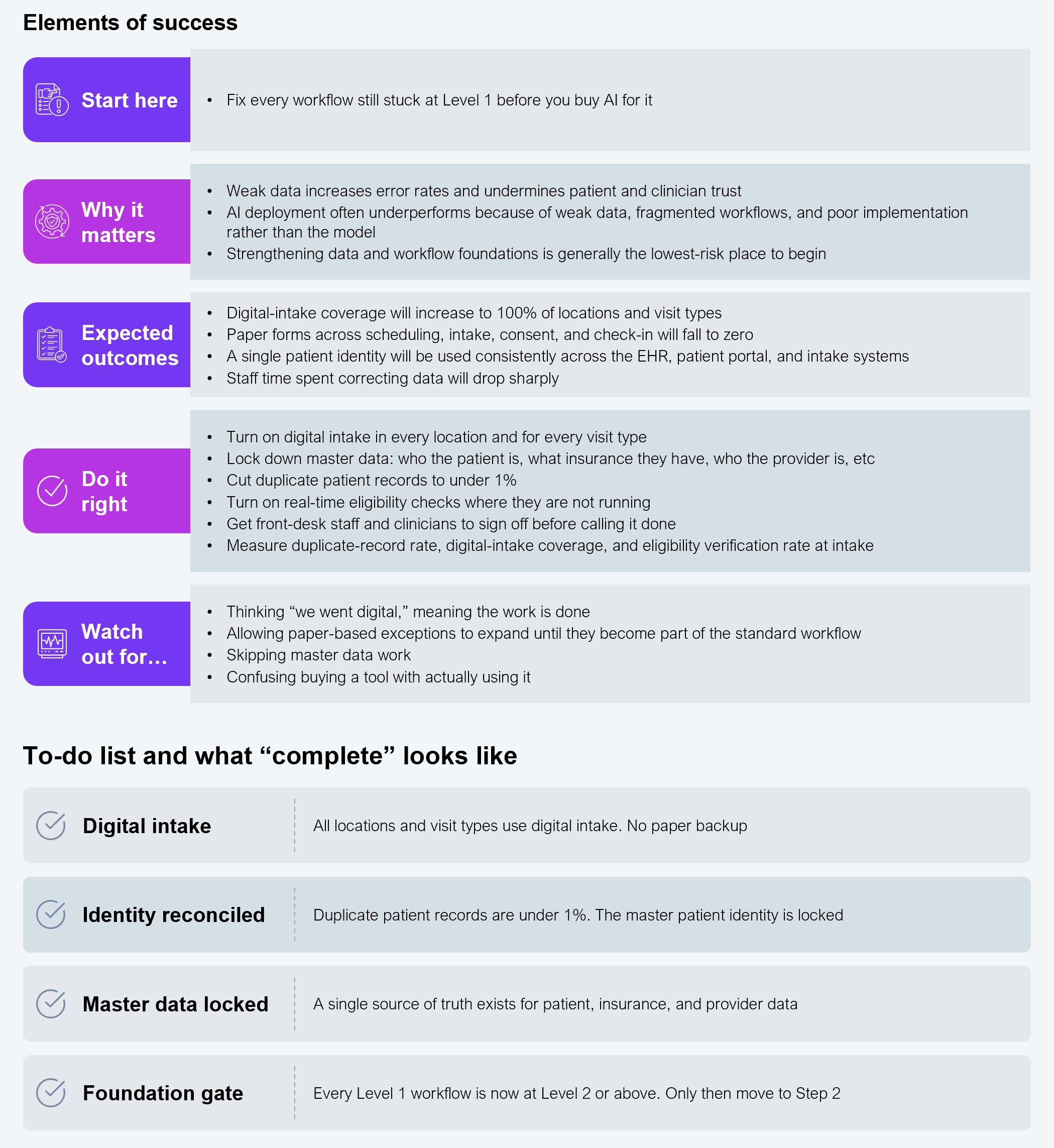
Two-part infographic showing the "Stabilize Level 1" step from a three-step maturity playbook. The first part is a five-row category panel, each with a colored icon tile and a set of bullet points: "Start here" states fix every workflow still stuck at Level 1 before buying AI for it. "Why it matters" lists three points: weak data increases error rates and undermines patient and clinician trust; AI deployment often underperforms because of weak data, fragmented workflows, and poor implementation rather than the model; strengthening data and workflow foundations is generally the lowest-risk place to begin. "Expected outcomes" lists four points: digital-intake coverage will increase to 100% of locations and visit types; paper forms across scheduling, intake, consent, and check-in will fall to zero; a single patient identity will be used consistently across the EHR, patient portal, and intake systems; staff time spent correcting data will drop sharply. "Do it right" lists six points: turn on digital intake in every location and for every visit type; lock down master data covering who the patient is, what insurance they have, and who the provider is; cut duplicate patient records to under 1%; turn on real-time eligibility checks where they are not running; get front-desk staff and clinicians to sign off before calling it done; measure duplicate-record rate, digital-intake coverage, and eligibility verification rate at intake. "Watch out for" lists four points: thinking "we went digital" means the work is done; allowing paper-based exceptions to expand until they become part of the standard workflow; skipping master data work; confusing buying a tool with actually using it. The second part is a four-item checklist titled "To-do list and what 'complete' looks like." Digital intake is complete when all locations and visit types use digital intake with no paper backup. Identity reconciled is complete when duplicate patient records are under 1% and the master patient identity is locked. Master data locked is complete when a single source of truth exists for patient, insurance, and provider data. Foundation gate is complete when every Level 1 workflow is at Level 2 or above, at which point the organization moves to Step 2. Source: HFS Research, 2026.

Step 2: Industrialize Level 2 by automating the workflows that move the most volume

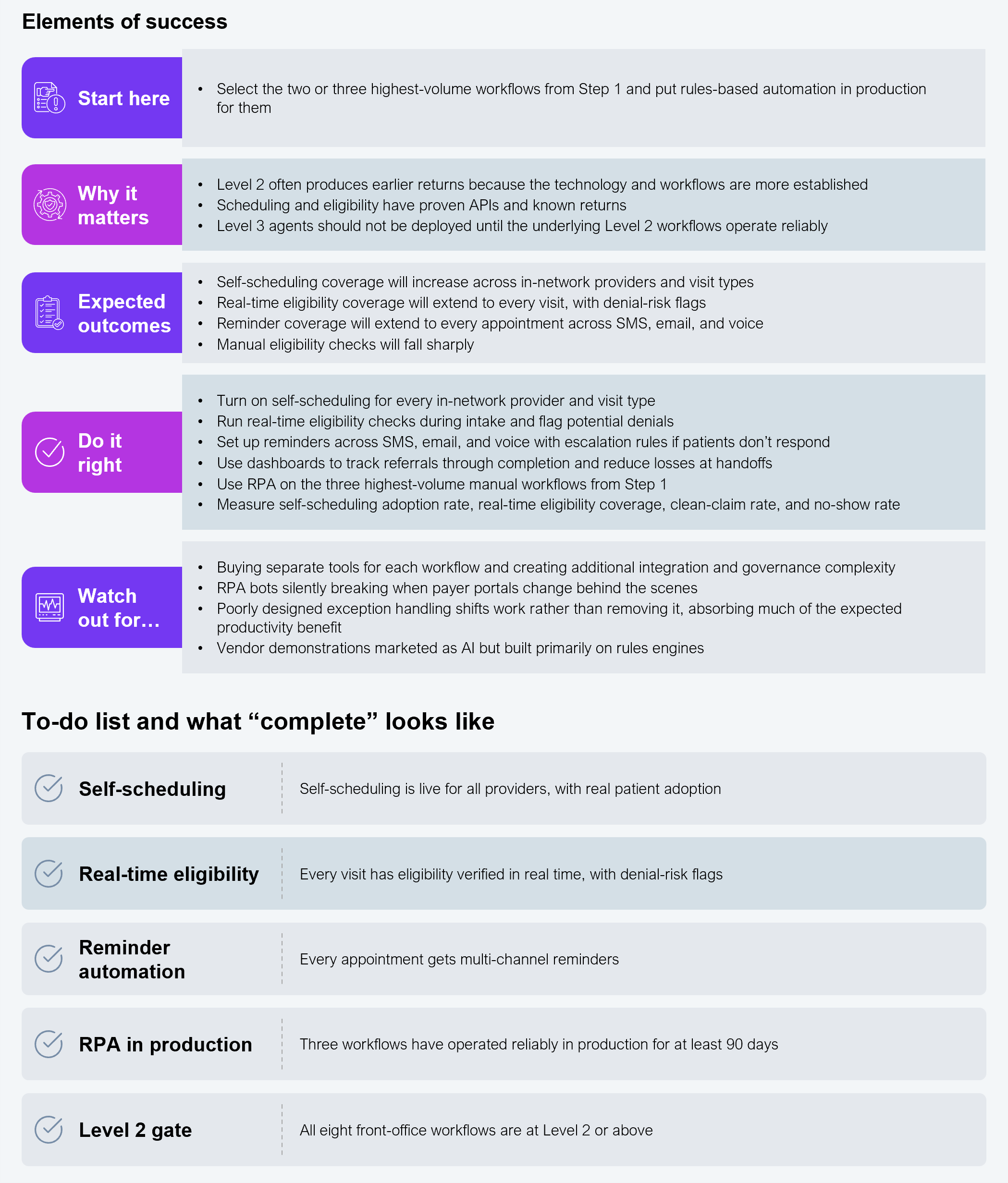
Two-part infographic showing the "Industrialize Level 2" step of the three-step maturity playbook. The first part is a five-row category panel with bullet points. "Start here" states select the two or three highest-volume workflows from Step 1 and put rules-based automation into production for them. "Why it matters" lists three points: Level 2 often produces earlier returns because the technology and workflows are more established; scheduling and eligibility have proven APIs and known returns; Level 3 agents should not be deployed until the underlying Level 2 workflows operate reliably. "Watch out for" lists four points: buying separate tools for each workflow and creating additional integration and governance complexity; RPA bots silently breaking when payer portals change behind the scenes; poorly designed exception handling shifts work rather than removing it, absorbing much of the expected productivity benefit; vendor demonstrations marketed as AI but built primarily on rules engines. "Do it right" lists six points: turn on self-scheduling for every in-network provider and visit type; run real-time eligibility checks during intake and flag potential denials; set up reminders across SMS, email, and voice with escalation rules if patients don't respond; use dashboards to track referrals through completion and reduce losses at handoffs; use RPA on the three highest-volume manual workflows from Step 1; measure self-scheduling adoption rate, real-time eligibility coverage, clean-claim rate, and no-show rate. "Expected outcomes" lists four points: self-scheduling coverage will increase across in-network providers and visit types; real-time eligibility coverage will extend to every visit, with denial-risk flags; reminder coverage will extend to every appointment across SMS, email, and voice; manual eligibility checks will fall sharply. The second part is a five-item checklist titled "To-do list and what 'complete' looks like." Real-time eligibility is complete when every visit has eligibility verified in real time, with denial-risk flags. Self-scheduling is complete when self-scheduling is live for all providers, with real patient adoption. Reminder automation is complete when every appointment gets multi-channel reminders. RPA in production is complete when three workflows have operated reliably in production for at least 90 days. Level 2 gate is complete when all eight front-office workflows are at Level 2 or above. Source: HFS Research, 2026.

Step 3: Deploy Level 3 to turn on AI agents where Level 2 is solid

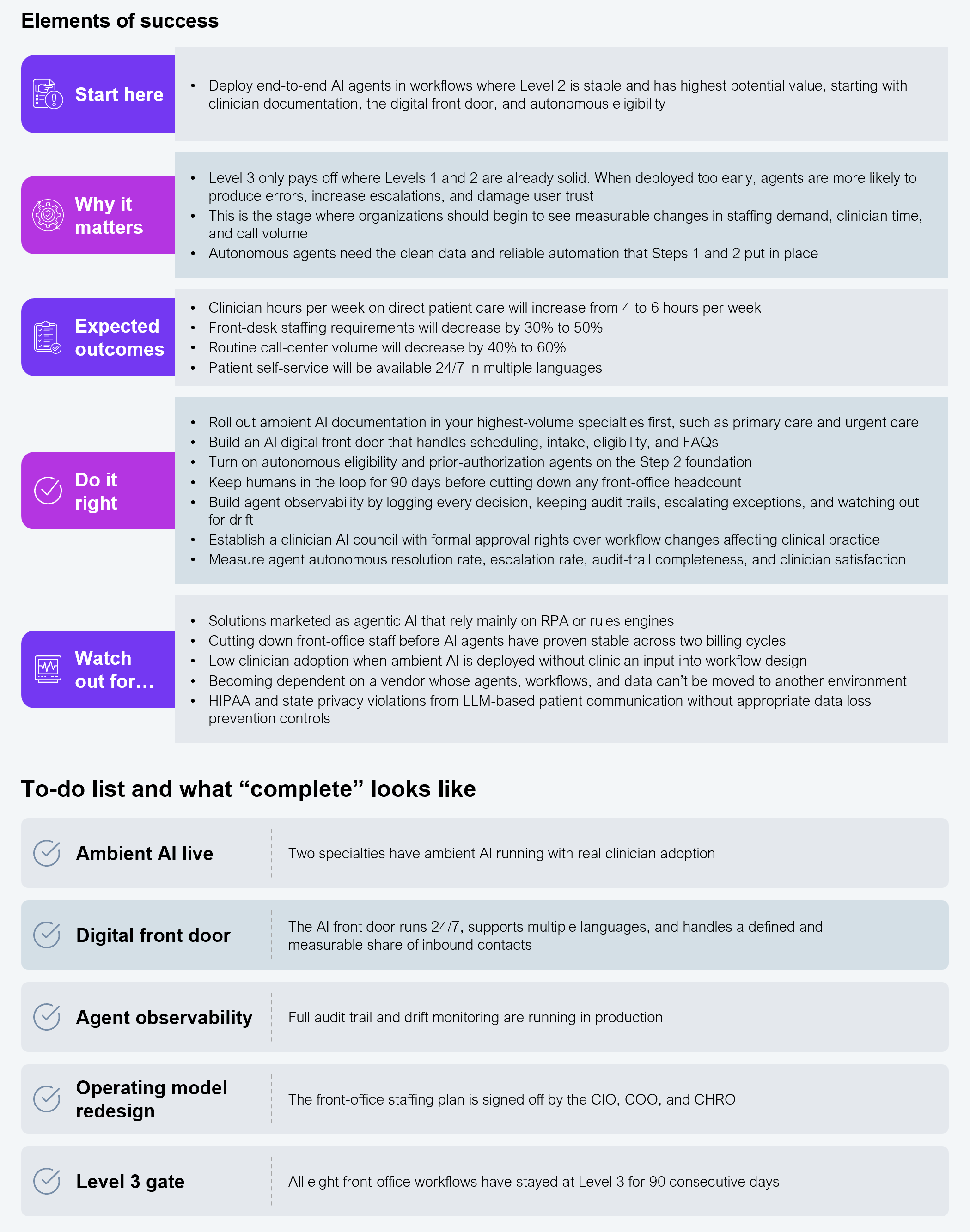
Two-part infographic showing the "Deploy Level 3" step of the three-step maturity playbook. The first part is a five-row category panel with bullet points. "Start here" states deploy end-to-end AI agents in workflows where Level 2 is stable and has the highest potential value, starting with clinician documentation, the digital front door, and autonomous eligibility. "Why it matters" lists three points: Level 3 only pays off where Levels 1 and 2 are already solid, and when deployed too early, agents are more likely to produce errors, increase escalations, and damage user trust; this is the stage where organizations should begin to see measurable changes in staffing demand, clinician time, and call volume; autonomous agents need the clean data and reliable automation that Steps 1 and 2 put in place. "Watch out for" lists five points: solutions marketed as agentic AI that rely mainly on RPA or rules engines; cutting down front-office staff before AI agents have proven stable across two billing cycles; low clinician adoption when ambient AI is deployed without clinician input into workflow design; becoming dependent on a vendor whose agents, workflows, and data can't be moved to another environment; HIPAA and state privacy violations from LLM-based patient communication without appropriate data loss prevention controls. "Do it right" lists seven points: roll out ambient AI documentation in the highest-volume specialties first, such as primary care and urgent care; build an AI digital front door that handles scheduling, intake, eligibility, and FAQs; turn on autonomous eligibility and prior-authorization agents on the Step 2 foundation; keep humans in the loop for 90 days before cutting down any front-office headcount; build agent observability by logging every decision, keeping audit trails, escalating exceptions, and watching for drift; establish a clinician AI council with formal approval rights over workflow changes affecting clinical practice; measure agent autonomous resolution rate, escalation rate, audit-trail completeness, and clinician satisfaction. "Expected outcomes" lists four points: clinician hours per week on direct patient care will increase from 4 to 6 hours per week; front-desk staffing requirements will decrease by 30% to 50%; routine call-center volume will decrease by 40% to 60%; patient self-service will be available 24/7 in multiple languages. The second part is a five-item checklist titled "To-do list and what 'complete' looks like." Digital front door is complete when the AI front door runs 24/7, supports multiple languages, and handles a defined and measurable share of inbound contacts. Ambient AI live is complete when two specialties have ambient AI running with real clinician adoption. Agent observability is complete when full audit trail and drift monitoring are running in production. Operating model redesign is complete when the front-office staffing plan is signed off by the CIO, COO, and CHRO. Level 3 gate is complete when all eight front-office workflows have stayed at Level 3 for 90 consecutive days. Source: HFS Research, 2026.

Execution timeline: Achieve an agentic AI operating model in 12–18 months

Care delivery CIOs and CMIOs should avoid two common execution problems: trying to leap from Level 1 or Level 2 to Level 3 in one program and waiting for the “perfect” agentic platform before starting. The first can overwhelm operations and weaken stakeholder support. The second delays efficiency gains while competitors continue to improve their operations.

Run the three steps in parallel across functions, sequenced by each workflow’s maturity. The diagnostic comes first, in month 1. Step 1 stabilizes Level 1 foundations for the weakest workflows in months 1–5, while Step 2 industrializes Level 2 automation for the strongest workflows in months 2–9. The first Level 3 agentic deployment goes live by month 9 and scales across the remaining workflows from there. The full front-office redesign is targeted for completion by month 18.
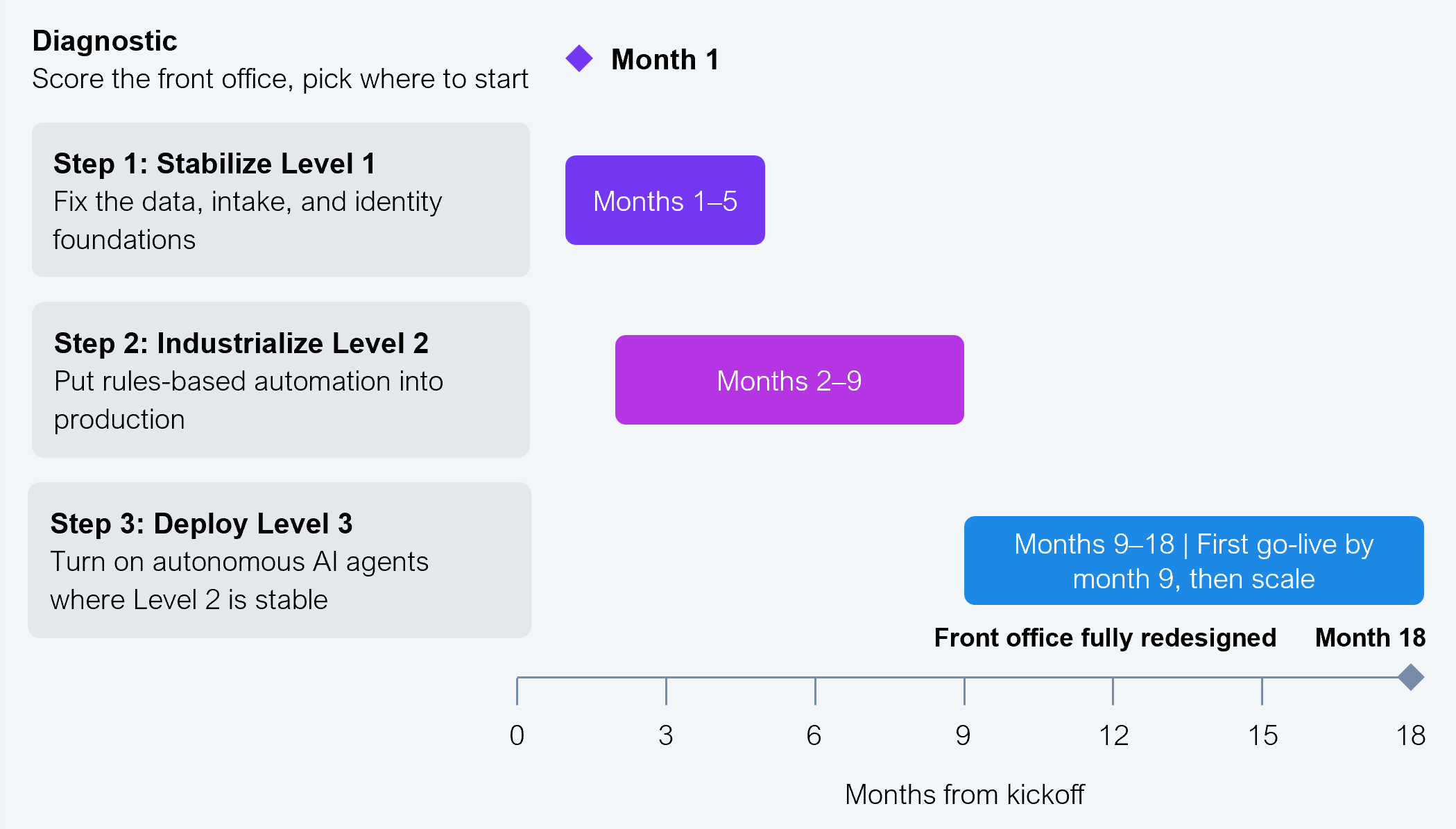
Exhibit 6: Most enterprises reach a full front-office redesign in 12 to 18 months

Most enterprises reach a full front-office redesign in 12 to 18 months Gantt-style timeline chart with a horizontal axis of months from kickoff, marked at 0, 3, 6, 9, 12, 15, and 18, and four stacked activity rows on the vertical axis. The diagnostic, scoring the front office and picking where to start, is a milestone marker at month 1. Step 1, stabilize Level 1, fixing the data, intake, and identity foundations, runs as a bar across months 1 to 5. Step 2, industrialize Level 2, putting rules-based automation into production, runs as a bar across months 2 to 9. Step 3, deploy Level 3, turning on autonomous AI agents where Level 2 is stable, runs as a bar across months 9 to 18, annotated first go-live by month 9, then scale. An end-point marker at month 18 is labeled front office fully redesigned. Source: HFS Research, 2026.

Source: HFS Research, 2026

The risks: Six execution risks that can stall Level 3 transformation

Five of these six surface before a single agent goes live. Sequence the controls the same way you sequence the steps

[AS1.1]Six execution risks that can stall Level 3 transformation (unlabeled in the source; appears under the heading "The risks") Six-row risk register table. Columns are number, risk, what goes wrong, how to prevent it, and where the risk surfaces. Risk 1, fake agentic AI: solutions marketed as agentic still run on RPA, rules engines, or chatbot interfaces and look like Level 3 without changing how work gets done; prevent it by demanding a working demo on your own data and making the vendor show where an agent decides without human intervention; surfaces at vendor selection. Risk 2, the wrong vendor: proprietary memory, workflows, and orchestration create dependence that is expensive to unwind; prevent it by requiring data and workflow portability, exit clauses, and open standards before signature; surfaces at contract. Risk 3, governance failures: an agent acts on patient communications or clinical notes with no decision log, so no one can reconstruct what it did or why when a complaint or audit lands, and HIPAA, state privacy law, and emerging AI regulation all apply; prevent it by bringing security and compliance into design rather than final sign-off and contracting for BAA coverage, agent decision logs, model change notification, and data residency; surfaces at design. Risk 4, bad data: wrong patient IDs, stale insurance, and duplicate records turn into workflow errors that clinicians and patients see, and fixing them after a visible failure costs more than fixing them first; prevent it by reconciling master data across patient identity, insurance, and provider and cutting duplicates before any agent enters the workflow; surfaces at Step 1. Risk 5, clinicians say no: top-down deployment without clinician involvement produces low adoption and inconsistent use; prevent it by co-designing with a clinician working group from day one and piloting with volunteers before any mandate; surfaces at Step 2. Risk 6, a headcount promise with no transition plan: cutting roles before agents are proven, or without redeployment and retraining, weakens employee trust and creates labor, service-quality, and reputational risk; prevent it by redeploying to higher-value work first, keeping humans in the loop for at least 90 days and two billing cycles, and involving HR and labor representatives during design; surfaces at design and lands at Step 3. Source: HFS Research, 2026.

Our perspective

The following includes relevant HFS perspectives on care delivery operations and agentic AI adoption; watch for our series on selecting the right partner for front-office transformation.

Sign in to view or download this research.

Login

Register

Insight. Inspiration. Impact.

Register now for immediate access of HFS' research, data and forward looking trends.

Get Started

Download Research

    </label

    Sign In

    Sign up for a free
    research account

    With the exception of our Horizons reports, most of our research is available for free on our website. Sign up for a free account and start realizing the power of insights now.

    By registering you agree to our privacy policy.

    I hereby consent that HFS Research can process my personal data.

    Digests/Newsletters: Overviews of the latest news, insight, and research by HFS.

    HFS Events: Exclusive invitations to HFS webinars, roundtables, and summits, bringing together key industry stakeholders focused on major innovations impacting business operations.

    Premium Access

    Our premium subscription gives enterprise clients access to our complete library of proprietary research, direct access to our industry analysts, and other benefits.

    Contact us at [email protected] for more information on premium access.

      Contact Ask HFS AI Support